- English
- French
- German
- Portuguese
- Spanish
- Russian
- Japanese
- Korean
- Arabic
- Irish
- Greek
- Turkish
- Italian
- Danish
- Romanian
- Indonesian
- Czech
- Afrikaans
- Swedish
- Polish
- Basque
- Catalan
- Esperanto
- Hindi
- Lao
- Albanian
- Amharic
- Armenian
- Azerbaijani
- Belarusian
- Bengali
- Bosnian
- Bulgarian
- Cebuano
- Chichewa
- Corsican
- Croatian
- Dutch
- Estonian
- Filipino
- Finnish
- Frisian
- Galician
- Georgian
- Gujarati
- Haitian
- Hausa
- Hawaiian
- Hebrew
- Hmong
- Hungarian
- Icelandic
- Igbo
- Javanese
- Kannada
- Kazakh
- Khmer
- Kurdish
- Kyrgyz
- Latin
- Latvian
- Lithuanian
- Luxembou..
- Macedonian
- Malagasy
- Malay
- Malayalam
- Maltese
- Maori
- Marathi
- Mongolian
- Burmese
- Nepali
- Norwegian
- Pashto
- Persian
- Punjabi
- Serbian
- Sesotho
- Sinhala
- Slovak
- Slovenian
- Somali
- Samoan
- Scots Gaelic
- Shona
- Sindhi
- Sundanese
- Swahili
- Tajik
- Tamil
- Telugu
- Thai
- Ukrainian
- Urdu
- Uzbek
- Vietnamese
- Welsh
- Xhosa
- Yiddish
- Yoruba
- Zulu
Flat Glass Rum Bottle Design: Tradition, Innovation, and Market Trends
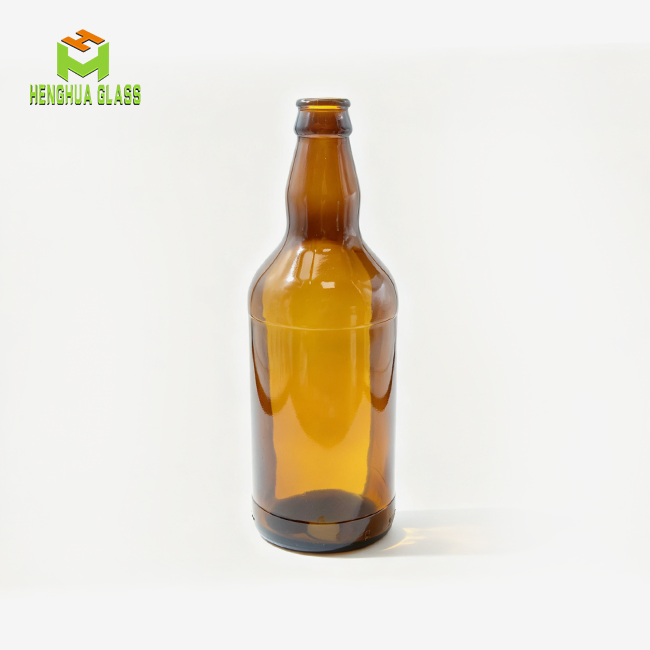
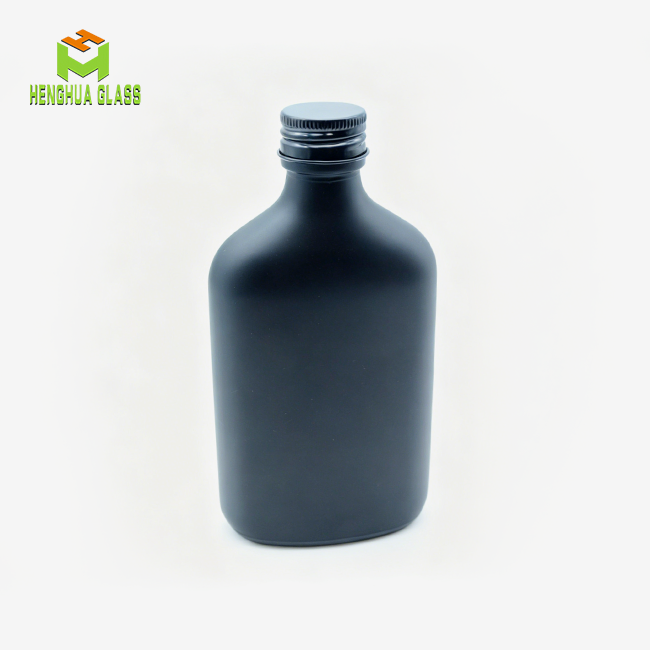
The Flat Glass Rum Bottle is a great choice for rum makers that want to honor Caribbean culture while also meeting the needs of modern retailers. This rectangular or flask-shaped container strikes a balance between storytelling skill and logistics efficiency, giving expensive drink makers bigger areas for branding and more space for shipping. Unlike traditional cylinder bottles, flat designs make the most of shelf space while also cutting down on shipping costs. This is a crucial benefit in today's market, where both brand identity and ecology must coexist. After 20 years of making bottles, we know that picky buyers now look for bottles that combine traditional glass art with shapes that make the best use of space.
The Legacy and Craftsmanship Behind Rum Bottle Design
Historical Evolution from Round to Rectangular Forms
Traditionally, rum was packed in round, hand-blown bottles that were a nod to marine culture and colonial trade lines. As distilleries grew, cylinder bottles made by machines simplified production, but new markets needed to be different. Premium names that wanted to stand out on the shelf shifted toward bottles with different forms, especially rectangular and flat glass rum bottles. These sharp shapes look like old flasks but can fit high-speed filling lines. They pay homage to the past without losing modern efficiency.
Glass Types Shaping Durability Standards
Manufacturers usually use soda-lime glass because it is clear and cheap, and it lets more than 90% of light through, which is perfect for showing off amber-aged drinks. Borosilicate glass may be used in high-end applications because it is better at handling thermal shock, but soda-lime is still the most common type used in the drinks industry. The thickness of the wall has a big effect on how often things break during handling. Bottles with a minimum thickness of 2 mm can withstand vertical loads of more than 1 kN, keeping their contents safe during shipping across continents. Some types of amber glass block UV light, which keeps flavors fresh in stores that get a lot of light. This is a technical choice that comes from hundreds of years of pharmacy practices.
Craftsmanship Meets Modern Manufacturing
Precision annealing processes get rid of internal stress, which keeps large flat panels from breaking on their own, which is a bigger problem for shapes that aren't circular. Vacuum-assisted polishing gets rid of tiny bubbles in molten glass, leaving surfaces that are completely clear and perfect for screen printing or embossing. By combining traditional glassblowing techniques with automatic production, each furnace can make up to a million units every day while still keeping the quality of an artist. As a result, brands can grow without sacrificing the physical luxury that people associate with high-end rum.
Why Flat Glass Rum Bottles Are Gaining Popularity in Modern Packaging
Space Efficiency Driving Logistics Optimization
When compared to round bottles, rectangular shapes cut "dead space" in corrugated boxes by up to 25%. This means that fewer pallets are needed for each shipment and less carbon dioxide is released per liter that is moved. Flat bases keep things from rolling around while forklifts are working, which makes stacks more stable in warehouses. Narrow widths allow for denser shelf setups without losing brand exposure, giving stores more options for vertical merchandising. Supply chain leaders who have to deal with tight margins and environmental requirements really like these organizational benefits.
Enhanced Branding Through Broad Surface Areas
Flat bottles have wide front and back panels that can be used as built-in billboards. These panels can hold complicated label designs, names that are stamped, and story graphics that can't be used on curved surfaces. Brands use this space to write about their history, show how they distill alcohol, or give drink recipes right on the glass. High-resolution images can be printed on flat surfaces using screen printing technologies that have been modified for that purpose, and internal etching methods add a tactile depth that raises the perceived value. Managers of packaging say that these visual improvements always make customers more interested in interacting with products at the point of sale.
Before looking into new closing technologies that improve these benefits, think about how the materials you choose can help you keep your environmental promises. Modern flat glass rum bottles are made of fully reusable glass that meets FDA and SGS standards. This makes sure that food contact is safe and supports the goals of the cycle economy. Cutting down on the thickness of walls in optimized designs saves more raw materials without affecting the structure's strength. This is in line with the requirements for business sustainability reports that B2B buyers are looking at more closely.
Closure System Innovations Supporting Brand Identity
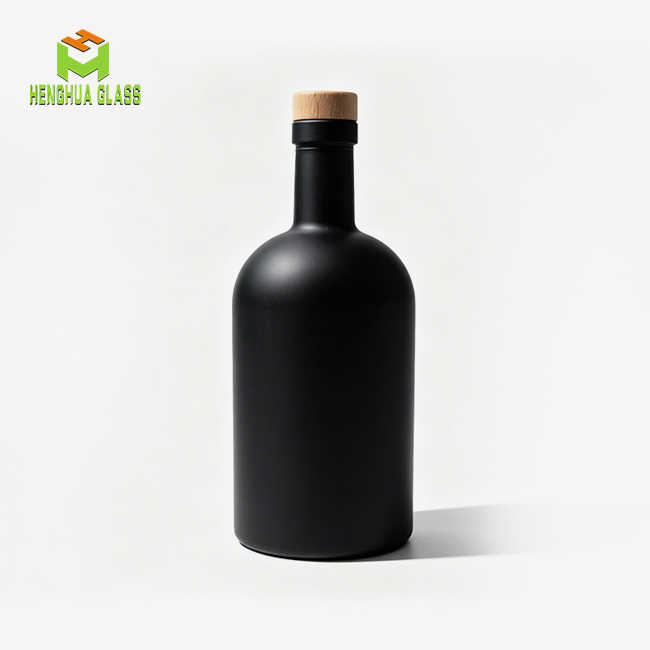
Choice of closure has a big effect on how users feel and how the item looks on the shelf. Wood caps give the impression of being handcrafted, which is appealing to brands that care about tradition. Metal screw caps with tamper-evident bands meet regulation requirements and make it easy to reseal. Plastic closures are cheaper for middle-range goods and don't compromise the quality of the seal. The colors of the caps—gold, silver, black, or special finishes—go well with the look of the product as a whole, which helps people remember the brand. Because flat bottle neck finishes work with standard Guala closures and synthetic corks, they can be easily added to existing filling systems. This means that OEM makers who are switching from traditional forms don't have to spend as much money on retooling.
How to Choose the Right Flat Glass Rum Bottle for Your Brand
Aligning Bottle Specifications with Brand Positioning
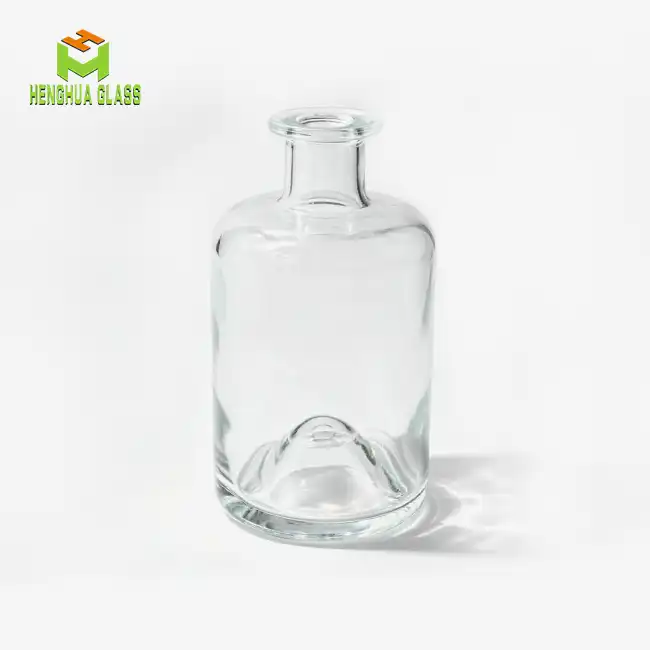
The first step in procurement is to list the capacity needs for each flat glass rum bottle product line. Core markets are served by standard sizes like 500ml, 750ml, and 1000ml, while niche markets are served by unique sizes like 200ml travel editions and 16oz premium options. Amber tones guard aged stocks from photodegradation, while clear glass shows off light rums and styles that focus on mixing drinks. Limited copies are set apart by blue glass versions that stand out in busy duty-free displays and grab people's attention. Choosing the right wall thickness means finding a balance between longevity and weight. This is especially important for foreign markets where shipping costs are directly related to package weight.
Evaluating Supplier Reliability and Certification Compliance
Manufacturers who have been checked out keep their licenses up to date, including CE, LFGB, and FDA standards. This makes sure that the bottles meet international food safety rules that are important for trade across borders. As part of quality assurance procedures, polariscope stress analysis, hydrostatic pressure tests up to 0.4 MPa, and readings of flatness variation within ±0.5 mm limits should all be done. Suppliers who give clear production timelines—usually 25 days for samples and 30 days for mass production—show that they are operationally mature. Ask about the minimum order quantity. Well-known glassworks often allow 10,000-unit test runs before going up to containerload levels, which lowers the initial capital risk for new names.
Cost Analysis Across Standard and Premium Tiers
Standard flat bottles take advantage of economies of scale in automatic production to offer low unit costs that are good for high-volume brands that want to break into new markets. Premium items have more advanced surface treatments like gold stamps, embossing, and thermal transfer printing that make them stand out more on the shelf but cost more per unit. The total landing cost should be modeled by procurement managers. This should include the cost of decorating, closures, and freight to the final markets. Tiered discounts are often available through bulk purchasing deals, and yearly contracts protect prices against changes in raw materials. When shipping over long distances, suppliers who offer transportation loss insurance pay to reduce the risk of losing money even further.
Case Studies Showcasing Harmony Between Tradition and Innovation
Established Brands Rejuvenating Market Presence
A 150-year-old distillery in the Caribbean worked with glassmakers to remake its most popular line using flat glass rum bottles with sugarcane designs pressed into them. The rectangular form made it easier to pack items closer together on store shelves, and the raised structure let customers know that they were made by hand. Within 18 months, sales data showed a 22% rise in premium segment market share. This was due to the brand being better able to stand out from competing round bottles. The case shows how careful changes to mathematics can strengthen legacy stories instead of watering them down.
Startups Leveraging Flat Geometry for Premium Positioning
A new rum brand that wants to be part of the craft drinks movement chose 500ml flat bottles with origin maps and custom screen-printed batch numbers. The wide label surface let stories about small-batch distillation and ethical sources fit, which are important factors for millennials who want to buy. When compared to the first-round bottle prototypes, the flat shape cut shipping costs by 18%, freeing up cash for wider distribution. Within two years, the brand got listings in more than 200 niche stores, showing how creative packaging helps makers with limited resources get into new markets faster.
Customization Options Enabling Brand Differentiation
Glass makers now let you customize a lot of things about your bottles, like the shape, color, closing material, and decoration. For a high-end look, hot stamping uses shiny foils, and internal etching makes three-dimensional logos that can be seen through clear glass. Using vacuum-belt applicators, labels stick to flat surfaces without any bubbles, which is common on curvy bottles. Markings for measurements help with mixology, which is especially useful for brands that focus on cocktails. Customized boxes for flat bottles make opening them more fun, which is important for gift-giving events that drive premium sales. With these custom solutions, brand managers can turn creative ideas into real effects on shelves.
Future Trends and Innovations in Rum Bottle Design
Smart Packaging Integration on Flat Surfaces
New technologies are putting NFC chips and QR codes right into the bases of bottles. This turns packaging into digital sites for interaction. Flat back panels are perfect for these parts because they don't get in the way of the look of the front name. People scan bottles to get cocktail recipes, tours of distilleries, or authentication papers. These exchanges make people more loyal to the brand and help stop counterfeiting. As privacy laws change, premium spirits will probably all come with packaging that allows for tracking. Those who accept this technology early will be seen as leaders in openness.
Eco-Friendly Glass Composites Reducing Environmental Footprint
Researchers working on recovered glass content recipes have now found ways to include 80% or more post-consumer material without losing any of the flat glass rum bottles' strength or clarity. Lightweighting programs use finite element analysis to find the best way to distribute glass, which lowers the weight of bottles by 15 to 20 percent. This lowers carbon emissions from both production and transportation. Suppliers who buy electric furnaces that are driven by green energy can make products without using any carbon, which is appealing to brands that have pledged to be net-zero. These improvements show that caring for the environment and having high-end looks don't have to be at odds with each other.
Regulatory Dynamics Shaping Material Selection
Tougher rules on single-use plastics in the EU and North America are making it easier for glass to be used for additional packing parts. Manufacturers of closures are coming up with bio-based plastics and FSC-certified wood options that meet the rules for the cycle economy. Professionals in procurement have to keep an eye on how rules change and choose providers who have effective compliance roadmaps. Partnerships with manufacturers that keep specialized research and development (R&D) teams make sure that you can get new materials that meet future legal requirements while keeping your brand's identity.
Conclusion
The combination of traditional design elements and modern logistics in the flat glass rum bottle design is more than just nice to look at; it also has real benefits in terms of shelf appearance, shipping efficiency, and being good to the environment. Suppliers that offer full tailoring, strict quality control, and scalable production capacity are good for procurement managers and product development teams. As consumers' standards change toward openness and sustainability, the way a brand is packaged has a bigger impact on how people think about it and what they buy. When rum brands choose partners with a track record of success in rectangular bottle geometries, they can stand out from the competition while still following the craft traditions that make premium drinks what they are.
FAQ
What Distinguishes Flat Glass Rum Bottles from Traditional Round Designs?
When compared to cylinder forms, flat glass rum bottles have bigger branding areas and tighter packing arrangements because their profiles are rectangular or flask-like. The geometry cuts shipping space by 25% while improving label sight, which is very important in busy stores.
How Do Manufacturers Ensure Quality in Large Flat Glass Panels?
Vacuum-assisted polishing gets rid of bubbles that form during heating, and precision annealing gets rid of internal stress that can be seen with a polariscope. Testing for flatness variation keeps standards within ±0.5 mm, which makes sure that labels stick well and the structure stays strong even when vertical loads are higher than 1.0 kN.
Are Flat Bottles Compatible with Existing Filling Equipment?
Regular screw caps, corks, and Guala closures can be used with standard neck finishing, so they can be easily added to current bottling lines. To keep air from getting trapped during application, suppliers suggest dual-wiper marking systems that are designed to work best on flat surfaces.
Partner with Henghua for Premium Flat Glass Rum Bottle Solutions
Henghua has been making high-quality packaging for drinks for more than 20 years. They combine traditional glasswork with cutting-edge production methods. You can choose from 100 ml to 1000 ml capacities for our flat glass rum bottles, and they come in amber, clear, and blue colors to match your brand's image. We are a recognized producer of flat glass rum bottles that follows the rules set by FDA, SGS, and CE. Our 10 sets of 150-ton furnaces make up to a million units every day, ensuring uniform quality. Our ODM/OEM services allow for full customization, including screen printing, interior engraving, embossing, and choosing the closing. These services are available for gold, silver, black, and unique finishes on wood, metal, and plastic. You can reach our team at denny@henghuaglass.com to get samples and talk about how our flat glass rum bottle services can help your business. We offer free samples, compensation for shipping losses, and specialized technical help to make sure that your idea for the packaging market comes true.
References
1. Johnson, M. (2021). Glass Packaging Evolution in the Spirits Industry: From Function to Brand Expression. Beverage Industry Press.
2. Carter, L. & Rodriguez, P. (2020). Sustainable Packaging Solutions for Premium Alcoholic Beverages. Journal of Packaging Technology and Research, Vol. 34.
3. Williams, R. (2022). Logistics Optimization Through Packaging Design Innovation. Supply Chain Management Quarterly.
4. Thompson, A. (2019). The Art and Science of Spirits Bottle Manufacturing. International Glass Review.
5. Martinez, S. (2023). Consumer Perception and Packaging Aesthetics in Craft Spirits Markets. Marketing Science Institute Working Paper Series.
6. Bennett, K. (2021). Regulatory Compliance and Quality Assurance in Food-Grade Glass Production. Materials Safety and Standards Journal.
Learn about our latest products and discounts through SMS or email