- English
- French
- German
- Portuguese
- Spanish
- Russian
- Japanese
- Korean
- Arabic
- Irish
- Greek
- Turkish
- Italian
- Danish
- Romanian
- Indonesian
- Czech
- Afrikaans
- Swedish
- Polish
- Basque
- Catalan
- Esperanto
- Hindi
- Lao
- Albanian
- Amharic
- Armenian
- Azerbaijani
- Belarusian
- Bengali
- Bosnian
- Bulgarian
- Cebuano
- Chichewa
- Corsican
- Croatian
- Dutch
- Estonian
- Filipino
- Finnish
- Frisian
- Galician
- Georgian
- Gujarati
- Haitian
- Hausa
- Hawaiian
- Hebrew
- Hmong
- Hungarian
- Icelandic
- Igbo
- Javanese
- Kannada
- Kazakh
- Khmer
- Kurdish
- Kyrgyz
- Latin
- Latvian
- Lithuanian
- Luxembou..
- Macedonian
- Malagasy
- Malay
- Malayalam
- Maltese
- Maori
- Marathi
- Mongolian
- Burmese
- Nepali
- Norwegian
- Pashto
- Persian
- Punjabi
- Serbian
- Sesotho
- Sinhala
- Slovak
- Slovenian
- Somali
- Samoan
- Scots Gaelic
- Shona
- Sindhi
- Sundanese
- Swahili
- Tajik
- Tamil
- Telugu
- Thai
- Ukrainian
- Urdu
- Uzbek
- Vietnamese
- Welsh
- Xhosa
- Yiddish
- Yoruba
- Zulu
Why Use Glass Wine Bottles? The Benefits of Glass
Picking the right package for your drink isn't just about how it looks; it also affects the quality of the drink, how people see your brand, and your long-term profits. The glass wine bottle is still the standard for wine, spirits, and other high-end drinks because it keeps tastes and smells intact for decades by creating a barrier that doesn't let chemicals in or out. Glass is better than plastic or metal because it doesn't let air or other contaminants through. This stops oxidation, which can ruin the taste of your product. Glass packaging improves brand image and meets strict safety and environmental standards that today's environmentally aware customers and procurement professionals demand. Glass packaging is clear and has a luxury feel to it.
Understanding Glass Wine Bottles – Material and Manufacturing Insights
Composition and Core Materials
Glass wine bottles are mostly made of silica sand (about 70–75%), soda ash (12–16%), limestone (5–12%), and small amounts of aluminum oxide and magnesium oxide. This silica-based mixture makes a solid, non-porous material that doesn't react chemically with the drink. At temperatures above 1,500°C, the raw materials melt and turn into molten glass that is ready to be shaped. Knowing this makes it easier for buying managers to judge the quality of suppliers and make sure they follow food safety rules like FDA and LFGB approvals.
Manufacturing Process and Quality Checkpoints
Before going into the glass heating ovens, the first step in the production process is batch preparation, where the raw materials are carefully measured and mixed. Henghua runs 10 sets of 150-ton glass melting furnaces with fully automated production lines. Each furnace can make up to one million units per day. To make bottle shapes, the molten glass moves into tools that use blow-and-blow or press-and-blow methods. After being shaped, bottles go through annealing lehrs, which are controlled cooling tubes that get rid of internal stress and keep bottles from breaking on their own. Dimensional analysis with automated vision systems, polarized light stress tests according to ASTM C148 standards, and vertical load strength ratings are all important quality control steps. The strict rules make sure that the wall thickness stays the same (usually 3–5 mm for normal bottles), that the neck finish fits with closure systems, and that the surfaces are free of flaws, which is important for branding.
Bottle Types and Structural Variations
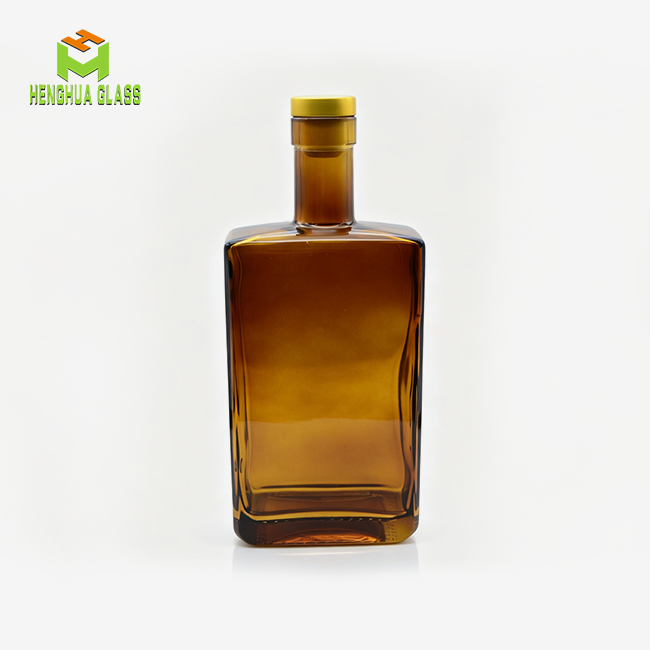
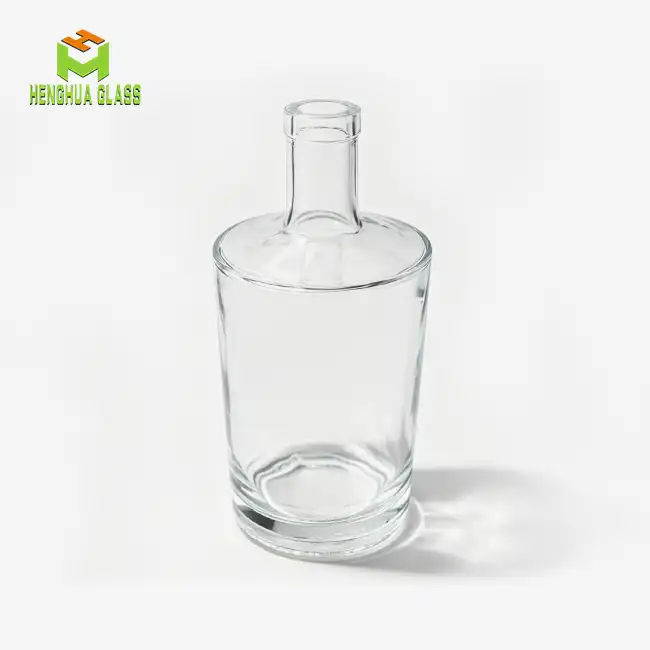
Different types of wine need different glass styles. Bordeaux bottles are great for collecting sediment in red wines because they have high shoulders and straight sides. Burgundy bottles, which are often used for Pinot Noir and Chardonnay, have bigger bodies and shoulders that slope down. Sparkling wine bottles have stronger bottoms and walls that are up to 8 mm bigger so they can handle 5 to 6 atmospheres of pressure inside. In addition to wine, these glass cases can hold rum bottles, whiskey bottles, gin bottles, and other drinks that need to look good and stay strong. Customizable capacities range from 100ml to 1000ml, and popular sizes like 500ml, 750ml, and 16oz are made to meet the needs of a wide range of markets.
Key Benefits of Using Glass Wine Bottles in Wine Packaging
Glass wine bottle packaging has benefits that can't be beat, and they directly help beverage makers, breweries, and brand owners with their most important problems. These benefits have real business value because they extend the shelf life of products, improve brand positioning, and lower risks in the supply chain.
Superior Preservation and Flavor Protection
The smooth inner wall of glass wine bottles makes it possible for aroma compounds to stay safe and flavors from getting messed up. Glass completely stops oxygen from getting through, which is what oxidation does and, over time, ruins the taste and smell of wine and drinks. This makes the shelf life much longer than with plastic cases, which let air in slowly even when they are sealed. Because glass is chemically neutral, it has no effect on your product. It doesn't leak chemicals, absorb flavors, or give off bad tastes. Because of this, glass is the best medium for high-end drinks like XO Cognac and aged whiskey, which need to be completely stable over a decade of aging.
Optimal Aging and UV Protection
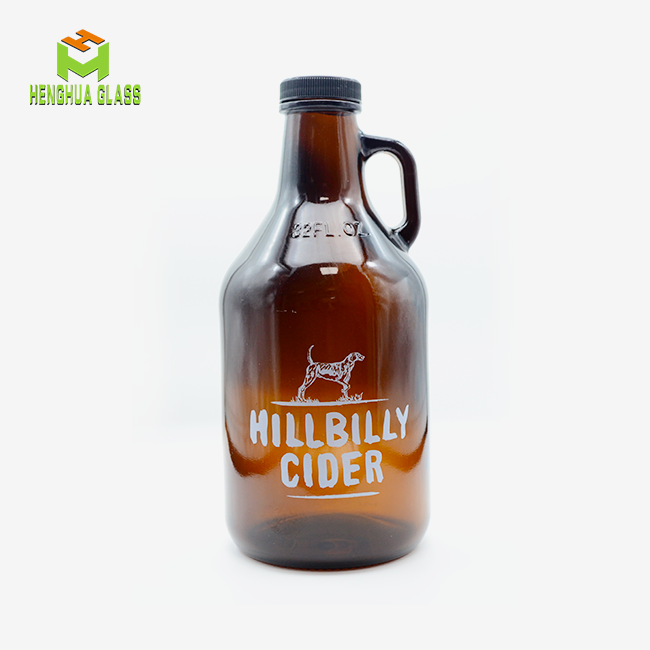
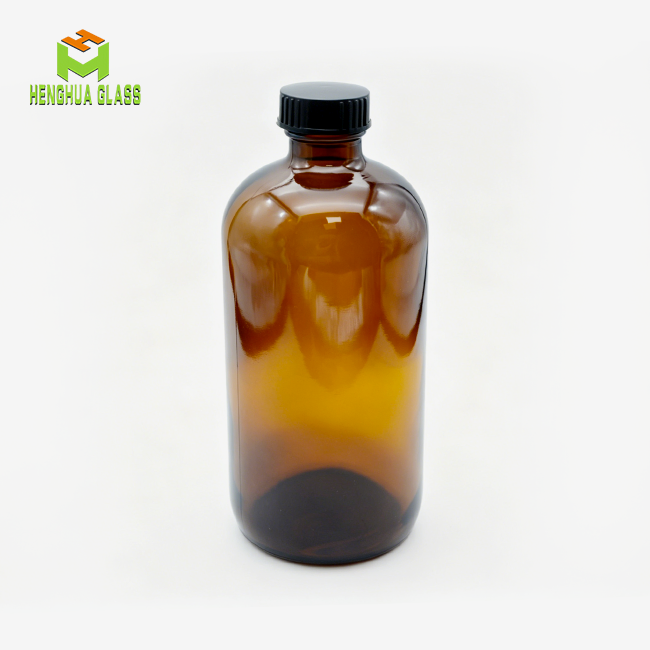
Colored glass, such as amber, clear, and blue varieties, protects against UV rays and stops damage from light strikes. Because it blocks 98% of UV and blue light bands that can cause photochemical reactions, amber glass is necessary for drinks that need to be kept away from light. This resistance to UV light keeps phenolic chemicals safe and stops the unpleasant "skunky" smells that often come from clear plastic packages. The material is thermally stable, which makes controlled aging easier. It keeps the temperature transfer qualities that serious distillers and wineries need for products to mature.
Environmental Sustainability and Circular Economy
Glass can be recycled over and over again without losing any of its quality. A container made from recovered glass today works the same as a container made from new glass. The substance can be melted down and reshaped many times, which supports the cycle economy ideas that are being pushed for by companies' sustainability efforts and consumers' demands. Today, making glass uses better technologies that leave smaller carbon footprints. For example, many providers use solar-assisted melting and waste heat recovery systems. This eco-friendly feature improves the brand's image and meets the changing rules in the European and North American markets.
Safety, Durability, and Logistics Performance
The thicker bottle body design makes it strong and long-lasting, even after being shipped and stored around the world. Good closing with screw caps, cork closures, or special stoppers stops leaks during transport, which cuts down on product loss and customer complaints. Breakage rates during foreign shipping stay below 1% as long as the right packing is used, like custom-molded EPE foam or honeycomb partitions. This dependability is very important for distributors and exporters who have to deal with long supply lines and various SKU needs. The chemical longevity of the material meets standards for hydrolytic resistance and grain titration, making sure it meets pharmaceutical-grade standards for health and nutrition supplements.
Choosing the Right Glass Wine Bottle for Your Business Needs
When choosing packaging that fits your brand strategy and business needs, you need to think about more than just how well it works. Making the right choice will help your product stand out on busy store shelves and save you money when you buy in bulk.
Shape Selection and Brand Positioning
Before people even read the label, the shape of the glass wine bottle tells them what the brand is. Classic Bordeaux shapes suggest a classic grace that goes well with Cabernet Sauvignon and Merlot, while Burgundy shapes suggest a quality that comes from being made by hand, which is good for Pinot Noir makers. Specialty forms, like the violin-style bottle, copy the proportions of the human body, which drives up prices in high-end gift markets. These shapes act as "silent salesmen" that support higher store margins. Round shapes with measurements that can be changed give spirits brands a lot of options for making their bottles stand out on the shelf without losing functionality during the filling and capping processes.
Color Options and Light Management
Clear glass shows off the brightness and depth of a product, which is important for white wines and clear drinks where looks are what make people buy them. Pharmaceutical businesses and essential oil companies often ask for amber glass because it protects light-sensitive formulas from UV rays the best. Blue glass is popular in upscale craft drinks and lifestyle beverage brands because it blocks some UV light and looks nicer. Henghua lets you change every color, so brands can come up with their own color schemes that become a part of their brand's personality.
Closure Systems and Sealing Technologies
Brands of drinks that want to make sure their products stay fresh and are easy to use like screw cap seals because they are reliable and easy to use. Natural cork seals keep the traditional links with aging fine wines, and they let some varieties benefit from micro-oxygenation. There are no risks of cork taint with synthetic stoppers because they look like cork and seal well. Covers made of wood, metal, and plastic, as well as colors like gold, silver, white, and black, let you make a lot of changes. The choice of closing should match the length of time you want the product to last, the price you want to charge, and how customers usually use it.
Customization Services and Brand Differentiation
Full ODM/OEM services turn plain bottles into unique assets that set goods apart in markets with lots of competition. For more complex visual effects, you can gold stamp, bronze, screen print, artistically fire, use thermal transfer printing, spray paint, or engrave the inside of the piece. These methods make it possible to reproduce complex logos, create gradient color effects, and add feel surface layers that make things seem more valuable. Dimensions, bottle forms, labels, stickers, and even whole packaging box solutions can all be changed. With 25-day sampling lead times and 30-day mass production lead times, Henghua's expert team can help clients quickly turn ideas into goods that are ready for the market.
Market Landscape and Reliable Glass Wine Bottle Suppliers
To get around in the global supply environment, you need to know about the major players, what they can do, and how to choose partners who will work with you for a long time. Decisions about strategic buying affect the standard of products, how much they cost, and how stable the supply chain is.
Leading Global Manufacturers
Owens-Illinois is one of the biggest companies in the world that makes glass wine bottles. It has a lot of production space and networks that reach all over North America and Europe for shipping. Ardagh Group is committed to the environment and has come up with new lightweight glass technologies that use less material without lowering strength. Vetropack specializes in high-end glass packing with advanced design options for the high-end wine and spirits markets. Berlin Packaging offers services that add value by mixing containers with design advice and closing options. Knowing what these makers are good at helps buyers match the strengths of a provider to their unique needs.
Supplier Selection Criteria
Quality control starts with standards like CE, FDA, SGS, and LFGB compliance that make sure the food is safe and meets all the rules. Checking the production capacity of providers is the best way to make sure they can meet your volume needs. The facilities should be able to show stable output and have automatic quality control systems that keep things the same across long production runs. Environmental qualifications are becoming more and more important in buying choices, with buyers favoring partners that use clean production technologies and take part in glass recycling programs. Cost-effectiveness and quality standards must be balanced for price competitiveness to work. Suppliers should not offer overly low prices, which could mean that products aren't up to par or production isn't consistent.
Sourcing Strategies for Bulk and Custom Orders
Direct factory buying gets rid of markups by middlemen, which is especially helpful for companies that buy a lot of products, like packaging sellers and OEM makers. Henghua's factory-direct pricing model blends low prices with strong cost control skills that come from years of experience managing the supply chain. Check the technical skills of potential providers for custom manufacturing, such as their knowledge of mold design, the range of decoration technologies they offer, and how fast they can make samples. Before committing to large sales, reliable partners should offer free samples to make sure the quality is good. Transportation loss recovery services show that suppliers are sure of the quality of the packing and are willing to work with others to share risks. Supply chain agility is needed to react to changes in the market. This is achieved by building long-term relationships with suppliers who offer technical support and flexible order numbers.
Environmental Responsibility and the Future of Glass Wine Bottles
Sustainability has gone from being a trendy marketing term to a strategic requirement that affects buying choices in the cosmetics, medicine, and drinks industries. Glass wine bottles provide a good way for brands to place themselves in this shift.
Glass Recycling Process and Environmental Impact
Used glass bottles that are dropped off at a recycling center or through a city program are sorted by color and then crushed into cullet, which are recovered glass pieces. This cullet is cleaned by taking off things like labels and seals that aren't supposed to be there. It is then mixed with new materials in amounts that can reach 90% recovered content. The mixed batch melts at lower temperatures than pure raw materials, which means that 25–30% less energy is used than when making fresh glass. In this closed-loop recycling method, the carbon footprint is lowered while the performance of the materials is maintained. This creates real benefits for the circular economy, unlike "downcycling," where recovered materials are only used for their lower value.
Advantages Over Alternative Materials
Tens to hundreds of times faster air can pass through plastic containers than through glass containers. This shortens the shelf life and requires adding preservatives, which hurts the clean-label standing. Aluminum cans don't protect against UV light at all unless they are paired with other packaging, and the coats inside them can make food taste metallic. Even though these options are lighter, which is helpful for shipping, glass still protects products better and is seen as a more expensive, safe material by consumers. Because the material can be sterilized at high temperatures, it can be used in medicinal uses that can't be done with heat-sensitive plastics.
Innovation in Eco-Friendly Manufacturing
Electric heating furnaces that use green energy are an example of a new technology that is making us less dependent on burning fossil fuels. Lightweight glass recipes cut down on the amount of material needed by 15 to 20 percent while keeping the structure strong through smart geometric design. Solar-assisted melting devices use concentrated solar thermal energy to heat up raw materials first, which reduces the need for natural gas. These improvements lower the amount of carbon dioxide released during production while keeping the material benefits that make glass so important for brands that care about quality. When suppliers invest in these technologies, they set up their clients to meet stricter environmental rules and tell better stories about sustainability in marketing materials.
Conclusion
Glass wine bottles offer unrivaled value in terms of wine preservation, brand recognition, and environmental stewardship. The material is chemically neutral, protects against UV light, and can be recycled over and over again. These features meet important quality and environmental concerns that are influencing today's purchasing choices. Whether you're launching high-end drinks that need to be stable for decades, making unique packaging to stand out from the competition, or meeting your company's sustainability goals, glass has solutions that have been tried and tested over hundreds of years and are still made very well today. Brands can get the most out of their packaging investments and build long-term market benefits by forming strategic relationships with suppliers that offer customization options, reliable quality systems, and low pricing structures.
FAQ
How do I choose the right color bottle for my product?
For visually attractive items where clarity shows off quality, transparent glass works best. Amber glass, on the other hand, offers the best UV protection for light-sensitive substances like essential oils and some drinks. Blue glass blocks some UV rays and looks better at the same time.
What customization options can be integrated into bulk orders?
Standard bottles can be turned into branded assets by applying surface treatments like screen printing, gold stamping, interior etching, and spray painting. Customizable parts include bottle sizes and forms, cap materials and colors, and full package options.
How long should I wait for a good source to get back to me?
After the sample is approved, reputable makers usually need 25 days for sampling and 30 days for mass production. Suppliers who keep standard designs in stock can ship them right away, while special orders are scheduled to be delivered on time, which ensures quality control.
How can I be sure of the quality of a provider before making big purchases?
Ask for free samples and papers that show you meet FDA, SGS, and LFGB standards. Check their quality control methods, such as dimensional analysis, stress tests, and vertical load strength ratings, to make sure that the standards of their production are always met.
Partner with Henghua for Premium Glass Wine Bottle Solutions
Henghua can help you with your packing problems because we have been making things for over 20 years and have state-of-the-art facilities in Jiangsu, China. Glass wine bottles, rum bottles, whiskey bottles, and gin bottles with sizes from 100 ml to 1000 ml are all in our large product line. They are all made from food-grade glass that has been certified by foreign bodies like CE, FDA, SGS, and LFGB. We offer full customization services, such as hot pressing, internal embossing, screen printing, and surface treatments like gold stamps and bronzing, so you can make unique packaging that makes your brand stand out.
Our strong supply chain management lets us offer high-quality goods at reasonable prices. Our 10 sets of 150-ton glass melting kilns can also produce up to 1 million units every day. We offer flexible ODM/OEM services with solid 30-day mass production timelines and 25-day samples. This means that you can get standard designs right away or fully customized solutions. Email our team at denny@henghuaglass.com to talk about your needs with a reliable glass wine bottle seller, ask for free samples, and find out how our technical know-how can turn your packaging ideas into products that are ready for the market.
References
1. Johnson, M. & Stevens, R. (2021). Glass Packaging Technology: Materials, Manufacturing and Quality Control. Industrial Press.
2. Williams, T. (2020). "Oxygen Permeability and Wine Preservation: Comparative Analysis of Packaging Materials." Journal of Food Packaging Science, 15(3), 234-251.
3. Environmental Protection Agency. (2022). Glass Recycling and Circular Economy Impacts: Technical Report. EPA Office of Resource Conservation.
4. Anderson, K. (2019). Premium Beverage Packaging: Design, Materials, and Market Positioning. Packaging Institute Publications.
5. International Organization for Standardization. (2023). ISO 7458: Glass Container Quality Standards and Testing Protocols. ISO Standards Catalogue.
6. Harper, L. & Chen, D. (2022). "Sustainable Glass Manufacturing: Energy Efficiency and Carbon Footprint Reduction Strategies." Materials Science and Environmental Technology, 28(4), 567-589.
Learn about our latest products and discounts through SMS or email