- English
- French
- German
- Portuguese
- Spanish
- Russian
- Japanese
- Korean
- Arabic
- Irish
- Greek
- Turkish
- Italian
- Danish
- Romanian
- Indonesian
- Czech
- Afrikaans
- Swedish
- Polish
- Basque
- Catalan
- Esperanto
- Hindi
- Lao
- Albanian
- Amharic
- Armenian
- Azerbaijani
- Belarusian
- Bengali
- Bosnian
- Bulgarian
- Cebuano
- Chichewa
- Corsican
- Croatian
- Dutch
- Estonian
- Filipino
- Finnish
- Frisian
- Galician
- Georgian
- Gujarati
- Haitian
- Hausa
- Hawaiian
- Hebrew
- Hmong
- Hungarian
- Icelandic
- Igbo
- Javanese
- Kannada
- Kazakh
- Khmer
- Kurdish
- Kyrgyz
- Latin
- Latvian
- Lithuanian
- Luxembou..
- Macedonian
- Malagasy
- Malay
- Malayalam
- Maltese
- Maori
- Marathi
- Mongolian
- Burmese
- Nepali
- Norwegian
- Pashto
- Persian
- Punjabi
- Serbian
- Sesotho
- Sinhala
- Slovak
- Slovenian
- Somali
- Samoan
- Scots Gaelic
- Shona
- Sindhi
- Sundanese
- Swahili
- Tajik
- Tamil
- Telugu
- Thai
- Ukrainian
- Urdu
- Uzbek
- Vietnamese
- Welsh
- Xhosa
- Yiddish
- Yoruba
- Zulu
How Custom Rum Bottles Help Build a Stronger Brand Identity?
With a custom glass rum bottle, packing goes from being just something you need to get things done to being a strategic tool for your brand. Premium alcohol companies know that the way the bottle looks, feels, and is designed has a direct effect on how customers see it, how it stands out on the shelf, and how loyal they are over time. By using custom embossing, unique forms, and high-end finishes, distilleries make it easy for their target audiences to recognize them and feel connected to them. This method not only raises the product's value, but it also communicates history, craftsmanship, and authenticity, all of which are important for placing premium rum in stores that are already very competitive.
Understanding Custom Glass Rum Bottles and Their Role in Branding
The Definition and Core Purpose of Specialized Spirit Packaging
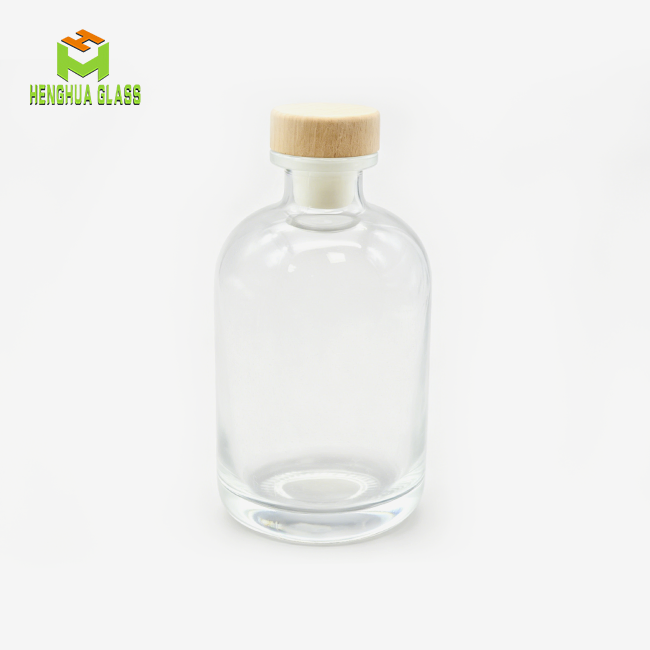
Custom glass rum bottles represent more than just a box; they are three-dimensional advertisements for the brand. High-quality flint glass is used to make these bottles. The walls are often thicker than required by standard specs to make them last longer during foreign shipping and fast bottling. The clear and refracting qualities of high-quality glass naturally bring out the rich amber tones of old rum, giving it an instant visual appeal that plastic or ceramic options can't match. In the drinks business, procurement managers know that these bottles need to be a good mix of new looks and technical needs, like being able to withstand thermal shock and having a neck finish that fits a range of closure systems, like T-corks, screw caps, and synthetic stoppers.
How Glass Packaging Differentiates Brands in Saturated Markets
In the crowded alcohol market of today, brand commoditization is still a problem. Generic bottles don't show the unique story behind craft distilleries or family brands, so on store shelves, the drinks can't be told apart. Custom designs help with this problem of not being seen by adding brand-specific features like asymmetrical forms, colored glass finishes (like amber, blue, or frosted), and even logos that are raised or textured. The way a well-designed bottle feels in the hand and how its weight is distributed make subconscious quality cues when the customer interacts with it. Packaging psychology research regularly shows that premium tactile experiences are linked to higher willingness-to-pay. This is especially true in the luxury drinks market, where bottle design can support price points above $100.
Sustainability and Material Integrity in Modern Rum Packaging
Concern for the environment is becoming more and more important in the beverage business when it comes to B2B purchasing choices. Glass has many benefits over other materials because it is inert, which means it doesn't leach chemicals into high-proof drinks and keeps the flavors pure. Because glass isn't reacting, it stops oxidation and keeps the complex ester profiles that are made during fermentation and storage. Leading manufacturers now use more than 40% recovered cullet in their products without affecting the structural stability or visual clarity. This focus on sustainability appeals to people who care about the environment and helps brands meet their CSR goals while keeping the high-end image that is important for luxury rum categories.
Designing Custom Rum Bottles That Reflect Your Brand
Strategic Design Principles for Brand Alignment
A thorough brand study is the first step in designing custom glass rum bottles that work well. Before starting mold building, packaging development teams need to look at the brand's history, the tastes of the target audience, and how the company stands in the market. High-end aged rum brands often choose heavy-based bottle types with deep-relief embossing that shows skill and durability. On the other hand, modern craft breweries might choose simple geometric shapes with straight lines to show that they are innovative and up-to-date. The design process juggles the artist's vision with practical needs. For example, bottles have to be able to handle changes in pressure during air freight, fit automatic marking equipment, and be easy to handle in bars. When designs work, they create unique silhouettes that can be recognized even without names. This builds strong visual property that grows over time.
Advanced Customization Techniques for Differentiation
Modern glass production can do a lot more than just change the shape of an object. With surface treatment choices, plain clear glass can be turned into a sophisticated way to show a brand. Some of these methods are the following:
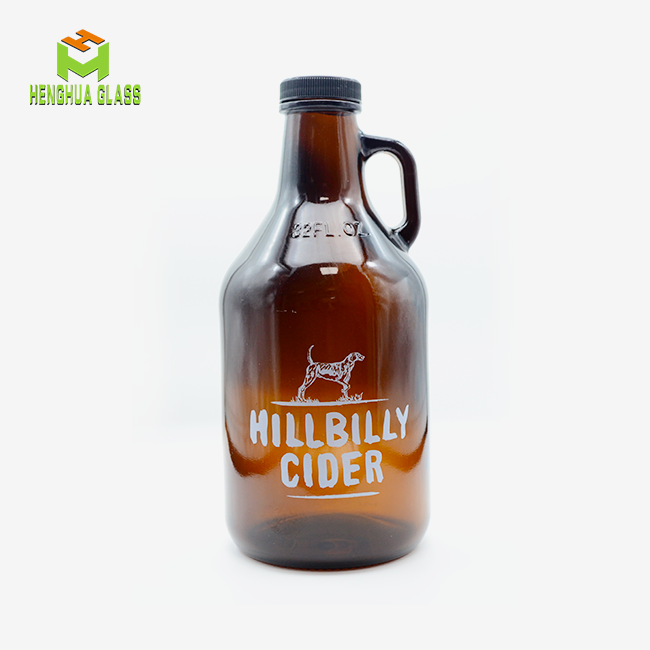
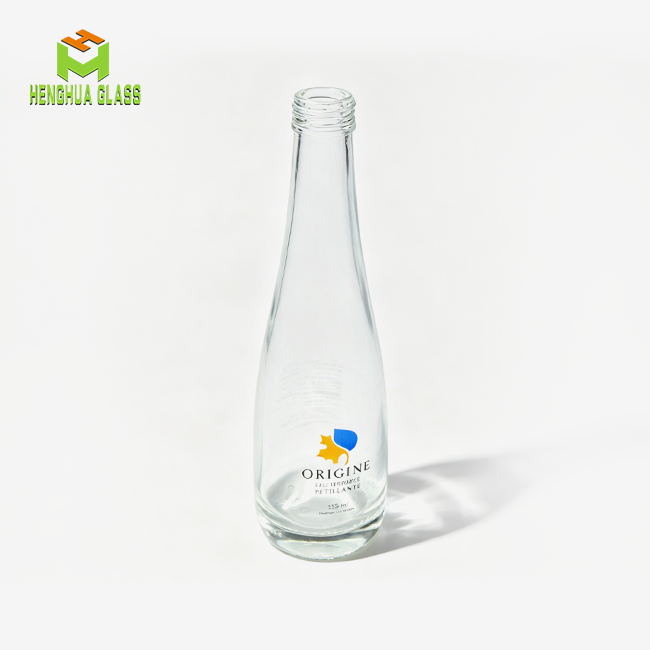
Screen printing lets you put exact, multicolor images right on glass, making decorations that last even after being handled and condensation forming on them. Internal engraving creates three-dimensional effects inside the glass that can be seen from all sides and can't be copied by counterfeiters. Metallic coatings using vacuum casting technology, metallic coats can add gold, silver, or copper finishes that shine brightly on store shelves. Textured patterns through mold engineering create tactile surfaces that improve grip while adding visual interest through light refraction.
Capacity choices from 100ml tasting bottles to 1000ml collection versions let you diversify your stock without changing the way the brand is perceived. Customizing the closure with gold, silver, black, or white luxury plastics, metal, wood, or other materials adds to the design story from the bottle to the cap, making the unboxing experience more unified.
Avoiding Common Design Pitfalls in Custom Packaging
Even if buying teams want to be creative, they have to deal with real issues. Overly complicated designs with deep undercuts or sharp curves make molds much more expensive and put production at risk. In order to make packing lighter, walls that are too thin damage the structure's strength, which results in high breakage rates that cancel out any cost savings. Different product lines with different branding make it harder to recognize. To stay successful, brands keep design DNA elements like signature base shapes or unique stamping patterns across all of their products. Smart buying includes testing with short sampling cycles. Usually, the first samples take 25 days, and they are then improved over and over again before investing in production tools.
Comparing Custom Glass Rum Bottles with Alternative Packaging Solutions
Performance Advantages Over Plastic and Ceramic Options
Plastic is lighter and less likely to break, but it doesn't give off the high-end vibe that's needed for drinks priced above the mid-market level. Plastic containers that let oxygen through make flavors less stable over time. This is especially true for old expressions, where volatile aromatic chemicals break down over time. There is a special value to ceramic bottles, but they are hard to mark, heavier, and less clear, which makes it harder to see what the liquid looks like, which is an important thing for buyers to think about when measuring quality by color and clarity.
Custom glass rum bottles do well in a lot of different ways. Because the material doesn't let any air through, the flavors stay the same even after months of shipping across countries. Transparency lets liquids show off without opening, which helps people make impulse purchases in stores. The ability to be recycled naturally fits with circular economy rules that big stores are starting to demand more and more. A lot of people think that weight is a bad thing, but in premium placement, weight is actually a strategic benefit. Heavy bottles physically communicate quality and support higher retail prices through perceived value.
Standard Bottle Types and Capacity Selection Strategy
There are a few standard designs for rum packages that are used because they meet market expectations. In North America and Europe, the 750ml capacity is the most popular size in stores because it offers the best mix between serving size and shelf room efficiency. Smaller 500ml and 200ml sizes are used for specific things, like travel shopping or high-end tasting sets. Large-format 1000 ml bottles are aimed at on-premise accounts and collector markets where the effect on display is more important than the ease of handling.
Shape conventions include classic cylinder shapes with slight shoulder tapers and unique squared or flat-panel shapes that make them stand out on the shelf. Round bottles are easier to make and can be labeled with existing tools. Flat or geometric forms, on the other hand, get people's attention but might need special packing. When making a procurement decision, the amount of production needed should be weighed against the level of customization that is wanted. For example, higher minimum order quantities (usually between 10,000 and 50,000 units) make it possible to use cost-effective custom molds, while lower volumes may mean choosing stock bottles and decorating them in a way that is unique to the company.
Procurement Considerations for Global Supply Chains
Finding unique glass shipping is more complicated than just finding the lowest price per unit. Lead times for mass production usually last 30 days after a sample is approved. This means that purchasing needs to be planned around when products come out and when demand is highest during certain times of the year. Minimum order amounts depend on how customized the mold is. For example, fully customized molds require bigger promises, while standard forms with surface decoration give you more freedom.
Total landing costs are affected by freight costs in a big way. The density of glass affects shipping costs based on weight, which means that bulk containerized ocean transport is best for big orders. It usually takes 6 to 8 weeks for goods to travel from Asian production hubs to North American or European distribution centers. Air freight speeds up delivery but costs a lot more, so it's only used for urgent restocking or high-value special versions. Specifications for packaging should make the best use of pallets and container cubes. For example, normal bottle sizes that fit together well cut down on freight costs by 15 to 20 percent compared to odd forms that need more protective materials.
Choosing the Right Custom Glass Rum Bottle Supplier for Your Brand
Evaluation Criteria for Manufacturing Partners
The choice of supplier affects the long-term success of purchasing in terms of quality stability, the ability to come up with new ideas, and the dependability of the relationship. Manufacturing experience is very important. Facilities that have been around for a long time and have been making glass for decades have process controls in place that stop common flaws like seeds (air bubbles caught), stones (batch materials not melted), and too many mold seams. Another important factor is production capacity, because when demand goes up during certain times of the year, suppliers need to have enough heating capacity and backup production lines. Facilities with multiple 150-ton furnaces that can make more than 1 million units per day provide the scale needed for big brand launches while keeping quality high across all production runs.
Certification compliance can't be hacked. Food-contact certifications that legitimate sellers keep up to date include FDA approval for U.S. markets, LFGB guidelines for European distribution, and SGS proof for trade around the world. These certificates make sure that the custom glass rum bottles pass safety standards for lead content and hydrolytic resistance. This keeps high-value spirits from getting contaminated. Brands can avoid expensive recalls and fines from regulators when compliance paperwork is clear.
Value-Added Services That Streamline Procurement
Leading providers do more than just make things; they also offer a wide range of services that make buying easier. Design consulting services help turn brand ideas into specs that can be manufactured, so changes that need to be made during production don't have to be made at high costs. With in-house CAD capabilities, 3D visualization is possible before a mold is committed to, so stakeholders can look at designs online. Within 25 days, prototyping services produce physical samples, which makes it easier to test the market and get governmental approval before investing in full production.
The flexibility of ODM and OEM meets the needs of a wide range of brands. Some customers want turnkey solutions that include bottle design, closure buying, and package planning, while others want manufacturing-only partnerships for specific requirements. When you buy from a supplier all in one place, they'll group bottles with matching caps, artistic accessories, and custom shipping solutions. This makes managing vendors easier. This integration is especially helpful for contract makers and OEMs that have to handle a lot of different brands with different shipping schedules and specs.
Practical Steps for Supplier Engagement and Order Execution
Starting a connection with a seller starts with a detailed RFQ that spells out the capacity needs, customization scope, quality standards, and delivery expectations. By asking for free samples, you can see for yourself how clear the glass is, how consistent the weight is, and how good the finish is before you sign a contract. The evaluation of a sample should include stress testing, which can be done by simulating a pendulum impact and checking for leaks with real closing systems while temperatures change.
Negotiation goes beyond unit price and includes things like payment terms, who owns the tools, and how flexible the output schedule can be. Making it clear who owns the mold stops future sourcing problems if relationship changes are needed. Setting clear quality acceptance standards and defect tolerances saves everyone. For example, specs should include the maximum number of seeds that can be used, the height of the mold seam, and the allowed dimensions so that there are no disagreements during mass production inspection.
Real-World Impact: How Custom Rum Bottles Strengthen Brand Identity
Case Study Analysis Across Market Segments
Custom packaging purchases for high-end aged rum brands have shown a clear return on investment. Premium expressions made with heavy flint glass and hand-finished features sell for 40–60% more than similar goods that come in plain packaging. The unique shapes and weight give the impression of rarity, which supports the premium standing. Limited editions with unique, custom-designed rum bottles create secondary market demand, and rare packaging encourages repeat purchases that go beyond drinking.
Artisan craft distilleries leverage custom bottles to punch above their weight class despite limited marketing budgets. Individualized packaging gets shared on social media as people take pictures of and comment on visually appealing drinks, naturally raising brand recognition. Embossed storytelling elements, like heritage dates, founder signatures, or origin maps, turn packages into conversation starters that help people connect with a brand more deeply. These efforts in design pay off in marketing value over the life of the product, without having to pay for ads over and over again.
Measuring Long-Term Brand Equity Growth Through Packaging
A consistent visual brand across all of a company's products builds recognition value that grows over the life of the market. When brands keep their signature bottle shapes but change small things like label designs or limited edition decorations, it creates mental availability. People recognize bottle outlines subconsciously before they read brand names. This understanding leads to faster choices about what to buy and higher shelf conversion rates.
Creating visual structures through new packaging also helps portfolio growth. Premium lines use high-end materials like frosted glass or metal accents, while core lines use common shape DNA to keep the brand's identity. This tiered method lets brands compete across price ranges without diluting the luxury image, since customers can read visual cues that show expression quality and when to use them.
Integration with Comprehensive Marketing Strategies
Custom packaging acts as a real touchpoint that supports digital and experience marketing. Using bottle designs in social media posts, events, and relationships with influencers makes it easier for customers to remember your brand at all points in their buying path. Packaging photography is used a lot on e-commerce sites where you can't touch the items. Eye-catching pictures of bottles make up for the lack of in-person testing, which lowers the risk of not buying.
Putting sustainability messages on the choices of packing makes it easier for people to understand what a brand stands for. People who care about the environment are interested in things like documented recyclable content rates, lightweighting successes that cut down on material use, and refillable design efforts. In blind tests, these qualities set brands apart when liquid quality alone isn't enough to support higher prices. They provide both logical and emotional reasons to buy a brand.
Conclusion
Custom glass rum bottles are smart investments that will pay off in the long run by increasing brand recognition, allowing for premium placement, and building customer trust. When unique design features, high-quality materials, and environmental concerns are all put together, the result is packaging that is always useful for marketing. Choosing manufacturing partners that offer both technical excellence and joint innovation support is key to successful procurement. This is to make sure that the evolution of packaging is in line with brand growth paths and market possibilities.
FAQ
Can custom rum bottles accommodate specialized closure systems like wax seals or decorative stoppers?
Of course. Different types of closures can be made to fit custom neck finish requirements, such as traditional cork with wax overlays, synthetic T-corks, quality screw caps, or decorative wood stoppers. The most important thing to think about is getting the neck hole and thread specs just right. For wax seal applications, shoulder changes need to be smooth to make sure even coverage, and artistic stoppers need to have the right neck height to make an impression. Mold engineers can make sure that the neck geometry is perfect for your needs by talking about closing plans during the initial design meeting.
What minimum order quantities should I expect when developing fully custom bottle molds?
Minimum orders for custom mold creation are usually between 10,000 and 50,000 units, but this depends on how complicated the design is and how much the maker can handle. Simple cylinder forms with custom embossing may be able to get lower minimums of around 10,000 units, but complicated geometric shapes with many mold holes need higher volume agreements to pay for the manufacturing. Some suppliers offer step-by-step processes that start with stock bottles decorated with custom artwork to test the market. Once demand supports bigger production runs, the suppliers switch to fully custom molds.
How do I ensure color consistency across multiple production runs for amber or custom-colored glass?
For color uniformity, providers must have spectrophotometer testing tools and controlled batch formulation processes. Reliable makers keep color standard samples and record colorimetric values for each production run. This way, they can make sure that subsequent runs match within acceptable deltaE ranges. Drift can be avoided by asking for color approval samples before every big production run. Because the iron oxide formulations used across the industry are standard, amber glass, which is the most common color for packaging spirits, tends to stay more consistent than special colors that aren't very common.
Partner with Henghua for Your Custom Glass Rum Bottle Manufacturing Needs
Henghua has more than 20 years of experience in designing high-end glass packing options for the spirits business around the world. Our factory in Jiangsu, China, has 10 sets of 150-ton glass melting kilns that can make up to 1 million units per day. This way, we can meet both urgent needs for replacements and large-scale brand launches without lowering quality standards. We are a qualified custom glass rum bottle seller with FDA, CE, SGS, and LFGB certifications. This means that we can ensure compliance in North America, Europe, and other places around the world.
We offer full ODM and OEM services covering every aspect of bottle development—from initial 3D design consultation through prototyping (25-day sampling) to full-scale production (30-day mass manufacturing). Our customization capabilities span shape engineering, capacity options from 100ml to 1000ml, color variations including amber and blue, and advanced surface treatments like internal engraving, gold stamping, and screen printing. Transportation loss compensation and free sample provisions demonstrate our commitment to risk-free partnership evaluation.
Connect with our procurement specialists at denny@henghuaglass.com to discuss your brand's unique packaging requirements and receive detailed quotations aligned with your volume and timeline specifications.
References
1. Robertson, Gordon L. "Food Packaging: Principles and Practice, Third Edition." CRC Press, 2012.
2. Stewart, Bill. "Glass Container Manufacturing: Theory and Practice." Society of Glass Technology, 2015.
3. Ampuero, Olga, and Vila, Natalia. "Consumer Perceptions of Product Packaging." Journal of Consumer Marketing, Vol. 23, 2006.
4. Steenis, Nynke D. et al. "Effects of Sustainable Design Strategies on Consumer Preferences for Redesigned Packaging." Journal of Cleaner Production, Vol. 205, 2018.
5. Klimchuk, Marianne R., and Krasovec, Sandra A. "Packaging Design: Successful Product Branding From Concept to Shelf." "John Wiley & Sons, 2012.
6. Marsh, Kenneth, and Bugusu, Betty. "Food Packaging—Roles, Materials, and Environmental Issues." Journal of Food Science, Vol. 72, 2007.
Learn about our latest products and discounts through SMS or email