- English
- French
- German
- Portuguese
- Spanish
- Russian
- Japanese
- Korean
- Arabic
- Irish
- Greek
- Turkish
- Italian
- Danish
- Romanian
- Indonesian
- Czech
- Afrikaans
- Swedish
- Polish
- Basque
- Catalan
- Esperanto
- Hindi
- Lao
- Albanian
- Amharic
- Armenian
- Azerbaijani
- Belarusian
- Bengali
- Bosnian
- Bulgarian
- Cebuano
- Chichewa
- Corsican
- Croatian
- Dutch
- Estonian
- Filipino
- Finnish
- Frisian
- Galician
- Georgian
- Gujarati
- Haitian
- Hausa
- Hawaiian
- Hebrew
- Hmong
- Hungarian
- Icelandic
- Igbo
- Javanese
- Kannada
- Kazakh
- Khmer
- Kurdish
- Kyrgyz
- Latin
- Latvian
- Lithuanian
- Luxembou..
- Macedonian
- Malagasy
- Malay
- Malayalam
- Maltese
- Maori
- Marathi
- Mongolian
- Burmese
- Nepali
- Norwegian
- Pashto
- Persian
- Punjabi
- Serbian
- Sesotho
- Sinhala
- Slovak
- Slovenian
- Somali
- Samoan
- Scots Gaelic
- Shona
- Sindhi
- Sundanese
- Swahili
- Tajik
- Tamil
- Telugu
- Thai
- Ukrainian
- Urdu
- Uzbek
- Vietnamese
- Welsh
- Xhosa
- Yiddish
- Yoruba
- Zulu
The B2B Guide to Closure Requirements for Sparkling Water Glass Bottles
If you provide packaging for carbonated drinks, you know the bottle is just part of the tale. The closure, the little piece that seals the neck, is the primary determinant of whether your glass mineral sparkling water bottles make it to retail shelves still crisp and completely carbonated, or flat and ruined. This book will lead procurement managers, package buyers, and supply chain directors through everything that counts, from the many kinds of closures and selection criteria to material trade-offs, supplier best practices, and what the future holds in the market.send inquiry

Understanding Closure Requirements for Glass Mineral Sparkling Water Bottles
You have to understand what carbonated water does physically to packaging before you can get the closures correct. The CO2 pressure within sparkling mineral water is typically between 3.5 and 6 bar. Any closure that cannot hold that pressure will let gas escape, which will reduce shelf life and damage brand credibility.
Closure Types and Their Functions
When a corporation buys sparkling water glasses, there are basically three sorts of closures they seek:
- Crown caps still are the industry standard for large-volume still and sparkling water lines, providing a mechanical crimp for an airtight high-pressure seal. They are economical and suitable for automated filling lines.
- A further feature of aluminum screw caps (ROPP) is the possibility for the customer to reseal with the same gas-tight integrity as roll-on pilferproof technology. They are gaining popularity among premium still and sparkling water companies.
- Specialty glass stoppers and swing-top closures are present in luxury and artisanal product lines where aesthetics are as important as function, but less frequent in high-volume B2B supply chains.
- Regulatory Standards That Govern Closure Specification
- Bulk buyers for the US market must ensure that closing requirements are compliant with FDA 21 CFR standards for food contact items. EU purchasers observe EC 1935/2004 when purchasing goods that may come into contact with food. Both frameworks stipulate that the closing liners, gaskets, and coatings should not allow harmful substances to leach into the bottled water. If there are broken regulations at customs or they are audited by retailers, product recalls may ensue. It’s a risk no procurement team wants to accept.
How Closures Affect Shelf Life and Consumer Experience
Laboratory experiments conducted by the Glass Packaging Institute suggest that well-sealed glass bottles with crown tops may retain their full carbonation for up to 24 months. If the closing torque is inadequate, the liner quality is variable, or the proportions of the neck finish are wrong, the window is substantially smaller. The "hiss" sound that emerges from opening a bottle of wine implies it is fresh for the client. For B2B purchasers, that means choosing locks that can reliably transmit that signal at the time of sale.
Key Factors Influencing Closure Selection in B2B Procurement
Before you can get the closures right, you need to understand what carbonated water does physically to packaging. The pressure of the CO2 in sparkling mineral waters is often between 3.5 and 6 bar. Any closure that can’t take that pressure will leak gas, which will shorten shelf life and harm brand reputation.
Closure Types and Their Functions
When a company buys sparkling water glasses, there are generally three kinds of closures they will be looking for:
- Crown caps remain the industry standard for large volume still and sparkling water lines, offering a mechanical crimp for an airtight high-pressure seal. They are low-cost and compatible with automatic filling lines.
- Another advantage of aluminum screw caps (ROPP) is the customer’s ability to reseal with the same gas tightness as roll-on pilferproof technology. They are increasingly being used by premium still and sparkling water producers.
- Specialty glass stoppers and swing-top closures are common in luxury and artisanal product lines, where looks are as essential as function, but less so in high-volume B2B supply chains.
How Closures Affect Shelf Life and Consumer Experience
Properly sealed glass mineral sparkling water bottles with crown caps might maintain their full carbonation for as long as 24 months, according to laboratory tests by the Glass Packaging Institute. If the closing torque is not sufficient, the quality of the liner varies, or the proportions of the neck finish are incorrect, the window is much smaller. Opening a bottle of wine and hearing the “hiss” sound means it is fresh for the customer. For B2B buyers, that means buying closures that consistently convey that signal when you buy them.
Comparison of Closure Solutions: Screw Caps vs. Crown Caps for Sparkling Water Bottles
Both closure formats have legitimate roles in sparkling water packaging. The choice depends on your product category, target channel, and volume economics.
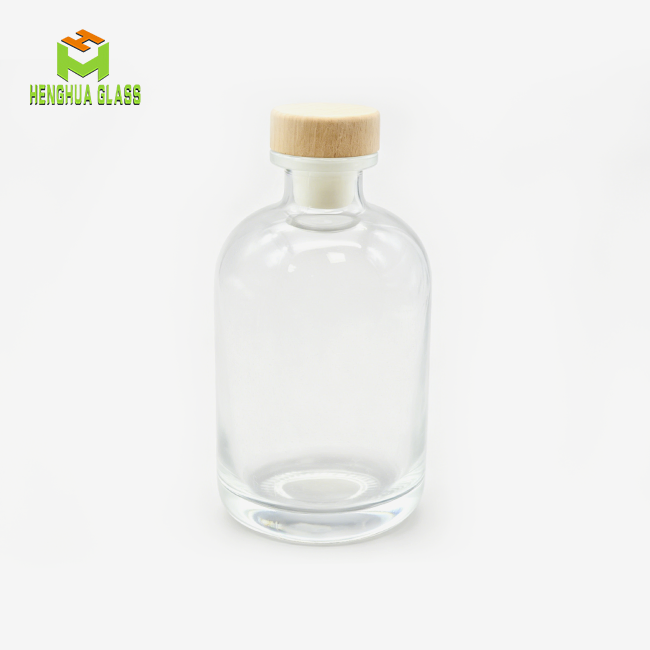
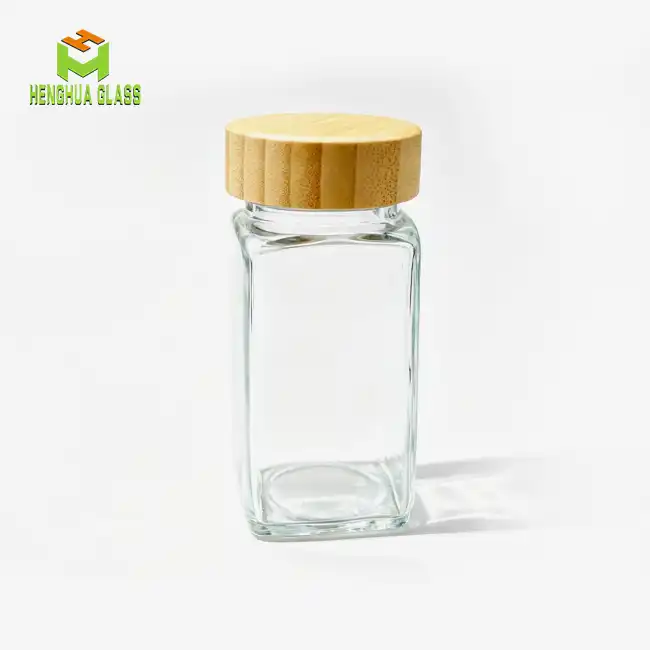
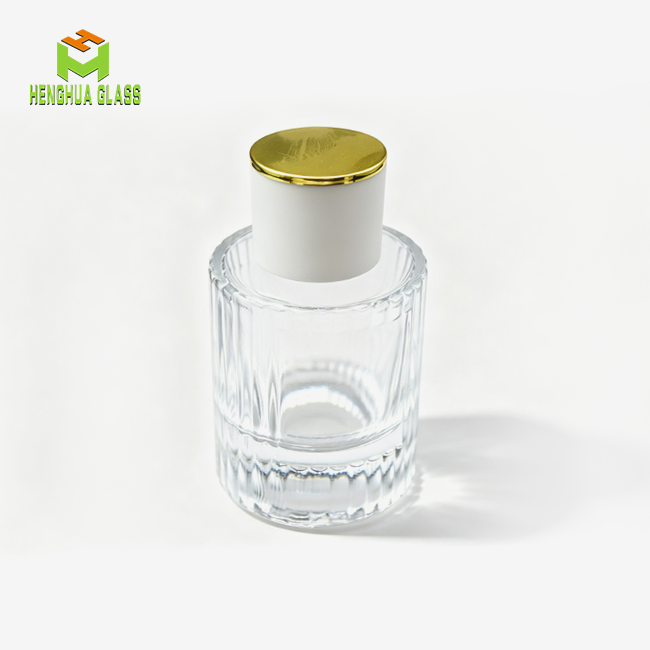
Screw caps suit brands that market their sparkling water as a daily lifestyle product. The resealability feature appeals to on-the-go consumers and premium retail buyers. Available in gold, silver, white, and black anodized finishes, screw caps also contribute to shelf presence and brand differentiation. Henghua offers screw cap closures in wood, metal, and plastic cover materials with custom color options to match any brand identity.
Crown caps, by contrast, deliver the highest sealing consistency at volume. For high-speed filling lines processing tens of thousands of bottles per hour, crown cap application is more reliable and less prone to torque variation. The per-unit cost is lower, making them well-suited for large-volume private-label or contract manufacturing contracts.
Environmental Impact Comparison
Aluminum screw caps and steel crown caps both offer recyclability advantages over multi-layer plastic closures. Glass bottle and metal closure combinations achieve the highest overall packaging recyclability scores under US EPA guidelines, which matters increasingly in retail procurement decisions.
Cost and Lead Time Considerations
Crown caps carry lower per-unit pricing and shorter lead times from standard stock. Custom-printed or anodized screw caps require additional surface treatment steps—such as screen printing, gold stamping, or thermal transfer printing—and typically add 5–10 days to production schedules. Henghua's production system supports both formats with a 30-day lead time for custom orders and immediate shipment for stock closure configurations.
Best Practices and Case Examples of Successful Closure Applications
It takes more than good specifications on paper to make sure that the quality of the closures on large B2B orders stays the same.
Supplier Qualification and Certification Requirements
Any supplier of closures should have to show that they have ISO 9001 certification, FDA food-contact compliance documentation, and SGS test reports. All of Henghua's glass packaging products are certified by CE, FDA, SGS, and LFGB. This gives corporate quality assurance teams and international retail buyers the level of documentation they need.
Storage, Handling, and Logistics Protocols
Before they are used, closures should be kept in places with controlled humidity to keep the liner from getting compressed or rusty. When sending goods internationally, Henghua offers transportation loss compensation and custom-built packing designs that keep goods from getting damaged during ocean freight. At the filling line, these procedures directly protect the security of the seal.
Lessons from Successful B2B Packaging Partnerships
. Premium sparkling water brands that switched from buying from multiple suppliers to buying all of their glass mineral sparkling water bottles and caps from a single supplier report lower defect rates and shorter onboarding times. Henghua can supply glass bottles with capacities ranging from 100ml to 1000ml, as well as metal and plastic closures that match. This makes it easier for quality auditing and makes it easier for procurement teams to coordinate.
Future Trends in Bottling Closures for Sparkling Water
The closing market is changing. There are a lot of new issues that will require B2B purchasers to determine what changes over the next three to five years.
Smart Closures and Tamper-Evidence Features
NFC closures and QR-coded seals are finding their way into the luxury bottled water market. This enables businesses to authenticate products and communicate directly with consumers from the cap. Most regions still require tamper-evident bands by law, and Henghua’s screw cap variants come with them standard.
Custom-Designed Closures for Brand Differentiation
Brands are increasingly looking at the closure as part of their brand, not simply a functional portion. For that reason, custom closure finishes, including engraving, creative firing, hot pressing, and silk-screen printing, are becoming more popular. Henghua offers surface treatments such as gold stamping, bronzing, spray painting and thermal transfer printing. That implies procurement teams may get great customisation without having to purchase from many providers.
Biodegradable and Circular Economy Materials
Several multinational closure manufacturers are beginning to employ plant-derived PLA liners and bio-based aluminum alloys in trial production runs. Full commercial adoption is three to five years away, but procurement teams should be asking their suppliers for more transparency on their materials now, so there are no gaps in compliance when US state regulations on single-use plastic tighten.
Conclusion
The style of closure on a glass mineral sparkling water bottles has a direct impact on the amount of carbonation in each bottle, the regulatory compliance, sustainability, and consumer perception of the brand. Procurement teams can preserve the quality of the product and reduce risk in the supply chain by seeing seals as a strategic necessity, not just a normal addition. All orders will have the same amount of carbonation, consumer trust, and shelf attractiveness, with the proper glass bottle and closure.
FAQ
1. What internal pressure must closures withstand for sparkling water bottles?
Sparkling mineral water typically generates 3.5 to 6 bar of internal CO₂ pressure. Closures must be specified and tested to exceed this range. ASTM C147 pressure testing on the bottle and torque calibration on the closure together confirm the system holds safely throughout distribution.
2. Are screw caps or crown caps better for large-volume B2B orders?
Crown caps offer higher application speed and lower per-unit cost, making them better for mass-market volume. Screw caps suit premium or resealable product lines where consumer convenience and visual branding matter more than filling-line throughput.
3. What certifications should a glass bottle and closure supplier provide?
At minimum, request FDA food-contact compliance, ISO 9001, and SGS test reports. For EU distribution, EC 1935/2004 compliance documentation is required. Heavy metal leaching test results for lead and cadmium are also standard expectations from retail buyers.
4. Can closures be customized to match brand colors and finishes?
Yes. Metal screw caps are available in gold, silver, white, and black finishes, with options for screen printing, gold stamping, and thermal transfer printing. Custom closure specifications typically add 5–10 days to production lead time.
5. How does closure quality affect sparkling water shelf life?
Properly applied, dimensionally accurate closures on compliant glass bottles maintain full carbonation for up to 24 months according to Glass Packaging Institute data. Inconsistent torque or liner defects reduce this window and increase the risk of flat product at retail.
Partner with Henghua for Glass Mineral Sparkling Water Bottles and Custom Closures
Henghua has been making glass bottles for more than 20 years and brings that knowledge to every order. We offer factory-direct prices, CE, FDA, SGS, and LFGB certifications, and full ODM/OEM customization across all bottles and caps. We are a trusted provider of glass mineral sparkling water bottles. We can help procurement teams that need reliability at a large scale. Our products come in sizes from 100ml to 1000ml, can have custom surface treatments applied, and have a 30-day production lead time. To get samples and prices, email us at denny@henghuaglass.com.
References
1. Glass Packaging Institute. Glass Packaging and Sustainability Performance Report. 2022.
2. McKinsey & Company. Sustainability in Packaging: US Consumer Sentiment Survey. 2023.
3. ASTM International. ASTM C147: Standard Test Methods for Internal Pressure Strength of Glass Containers. 2021.
4. U.S. Food and Drug Administration. 21 CFR Part 177: Indirect Food Additives – Polymers. 2022.
5. European Commission. Regulation EC No 1935/2004 on Materials and Articles Intended to Contact Food. 2004.
6. Packaging World Magazine. Closure Technology Trends for Premium Beverage Glass Containers. 2023.
Learn about our latest products and discounts through SMS or email