- English
- French
- German
- Portuguese
- Spanish
- Russian
- Japanese
- Korean
- Arabic
- Irish
- Greek
- Turkish
- Italian
- Danish
- Romanian
- Indonesian
- Czech
- Afrikaans
- Swedish
- Polish
- Basque
- Catalan
- Esperanto
- Hindi
- Lao
- Albanian
- Amharic
- Armenian
- Azerbaijani
- Belarusian
- Bengali
- Bosnian
- Bulgarian
- Cebuano
- Chichewa
- Corsican
- Croatian
- Dutch
- Estonian
- Filipino
- Finnish
- Frisian
- Galician
- Georgian
- Gujarati
- Haitian
- Hausa
- Hawaiian
- Hebrew
- Hmong
- Hungarian
- Icelandic
- Igbo
- Javanese
- Kannada
- Kazakh
- Khmer
- Kurdish
- Kyrgyz
- Latin
- Latvian
- Lithuanian
- Luxembou..
- Macedonian
- Malagasy
- Malay
- Malayalam
- Maltese
- Maori
- Marathi
- Mongolian
- Burmese
- Nepali
- Norwegian
- Pashto
- Persian
- Punjabi
- Serbian
- Sesotho
- Sinhala
- Slovak
- Slovenian
- Somali
- Samoan
- Scots Gaelic
- Shona
- Sindhi
- Sundanese
- Swahili
- Tajik
- Tamil
- Telugu
- Thai
- Ukrainian
- Urdu
- Uzbek
- Vietnamese
- Welsh
- Xhosa
- Yiddish
- Yoruba
- Zulu
Choosing the Right Wine Bottle: Why 750ml Elliptical Crystal White Glass Stands Out
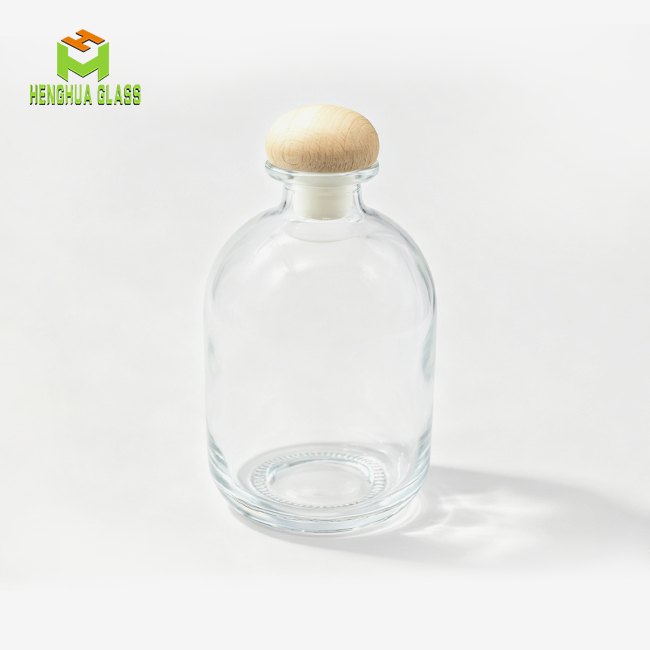
When packaging decisions directly affect brand perception and shelf performance, the bottle itself becomes a business asset. The 750ml elliptical crystal white glass wine bottle is one of the most deliberate choices a wine or spirits brand can make. Crafted from high-purity "Super Flint" glass with iron content below 0.012%, it delivers light transmittance above 92%, zero color distortion, and a distinctive oval silhouette that separates your product from a crowded shelf. This article walks through what makes this bottle type worth serious consideration for B2B buyers in the US market.send inquiry

Understanding the 750ml Elliptical Crystal White Glass Wine Bottle
What Defines "Crystal White" Glass?
Crystal white glass, which is sometimes called "Super Flint" glass, doesn't have as much iron oxide as clear glass. Tiny bits of iron give regular glass a tiny green or blue tint. Crystal white glass gets rid of that tint and has a density of about 2.45–2.55 g/cm³. This makes it look clear and like a gem. This clarity isn't just for looks for people who make white wine and rosé; it shows off the wine's natural color gradient, which is something that people really look at before they buy.
The Significance of the Elliptical Shape
The cross-section is not just oval (elliptical) because that's what was planned. Like a lens, this form focuses the light that comes through the bottle in a way that round shapes can't. Because of this, when the bottle is lit up in a store, the liquid inside looks brighter. Central European wine traditions, especially in the Rhine and Alsace regions, gave long and round bottle shapes their start. In those places, the shape was linked to certain grape varieties and the region's identity.
Why 750ml Remains the Industry Standard
In the US market, most business sales of wine are made in the 750ml size, which is the most popular bottle size in the world. More than 90% of the wine sold in the US in 2022 came in standard 750ml bottles, according to the Wine Institute. This amount is the safest way to buy in bulk because it follows FDA and TTB rules, fits in standard wine racks and shipping boxes, and is the amount that customers expect to buy.
Key Advantages of Elliptical Over Traditional Round Wine Bottles
Most people think that oval and round bottles are very different, but they're not. Before you place a big order, here are the most important structural and helpful advantages you should think about.
- Storage and shipping efficiency: The flat faces of an elliptical 750ml elliptical crystal white glass wine bottle allow tighter side-by-side packing in standard carton configurations, reducing void space and overall shipping weight per unit compared to round bottles of the same capacity.
- Wider decoration surface: The broader frontal face of the elliptical profile provides a flatter, larger canvas for silk-screen printing, gold stamping, bronzing, and thermal transfer printing — decoration techniques that can warp or distort on curved round surfaces.
- Anti-roll stability: The oval base resists rolling during conveyor handling and on retail shelving, reducing damage rates during production line operations and in-store display.
- Light and temperature protection: The thickened wall construction, combined with the elliptical geometry, distributes structural stress more evenly, offering better resistance to thermal shock (ΔT ≥ 42°C) compared to standard-wall round bottles.
Comparing 750ml Elliptical Crystal White Glass With Other Bottle Types
Crystal White vs. Green Glass
Red wines are still put in green glass because it blocks UV light, which makes things age faster. Green glass, on the other hand, blocks out light and hides the natural color of white drinks and wines. Crystal-clear white glass meets the safety standards set by FDA, SGS, and CE for food and can be seen through. Because UV light can damage crystal white bottles, they should be kept or shown inside, in places that block UV light.
Elliptical vs. Standard Bordeaux or Burgundy Profiles
The round shapes from Bordeaux and Burgundy are easy to find and don't cost as much per lot. Most of the time, the extra cost of elliptical crystal white glass comes from the tools that are needed to make it and the need for tighter manufacturing tolerances for the body that isn't round. For brands that compete at a higher price point, the difference in price is balanced by more choices at stores and a better idea of how much the product is worth. Round shapes are still the most cost-effective choice for everyday items.
Customization Range: A Key Decision Factor
On the outside of Henghua's elliptical crystal white glass bottles, you can gold stamp, screen print, engrave, spray paint, or do decorative firing. Metal, wood, or plastic can be used to make caps that are gold, silver, white, or black. Because there are so many finish options, one bottle shape can work for all of a brand's SKUs without the need for making separate molds for each one.
Procurement Guide for B2B Clients: How to Source These Bottles
Vetting Suppliers for Quality and Compliance
Make sure you get proof that the glass wine bottles you want are food-grade when you shop for them. The bottles that Henghua makes are made of 100% lead-free glass and follow the rules set by the FDA, SGS, CE, and LFGB. As a supplier, make sure you get records of the polariscope stress test (goal: Grade 1 or 2) and the verticality deviation (standard: < 1.5 mm). These two things have a direct effect on how well an automated bottling line works.
Bulk Order Logistics and Lead Times
Up to a million units can be made every day by each of Henghua's 10 sets of 150-ton glass melting furnaces. Standard items in stock are sent out right away to buyers who place large, repeat orders. Custom orders are planned out ahead of time: a trial run takes 25 days, and mass production runs take 30 days. They can plan seasonal launches with these dates without having to worry about supply chain gaps.
Packaging and Transit Protection
Putting polyethylene (PE) spacers between 750ml elliptical crystal white glass wine bottles during shipping and coatings that strengthen the cold and hot ends of the bottles reduce damage from friction and contact. Transportation loss reimbursement services are also provided by Henghua. This way, US buyers don't have to worry about the financial risks that come with moving goods over long distances abroad.
Practical Tips: Maintaining and Cleaning Elliptical White Glass Bottles
Cleaning Without Surface Damage
Do not use rough brushes to clean bottles that you will use again or put on show. Rough brushes can damage the glass or screen-printed patterns. Instead, use pH-neutral cleaners. Cleaning with steam at high temperatures can kill germs and protect finishes, as long as the temperature difference (ΔT) is less than or equal to 42°C.
Handling During Storage and Display
When elliptical bottles are cork-sealed, they should be stored on their sides so that the cap stays wet. Make sure to stack boxes within the weight limits set by the maker so that the bottom layer doesn't break when you store them in a warehouse. If you want to use the elliptical profile for retail display, you don't need to add any extra shelf hardware because its anti-roll base geometry makes it stable on its own.
Troubleshooting Common Surface Issues
In order to keep the conveyor from scratching things, you can change its speed and use protective sleeve inserts during filling line runs. If screen-printed logos get worn after being handled a lot, get cross-hatch binding testing results from your provider before you agree to the decoration details. This test tells you exactly how long the branding will last when you handle it in real life.
Conclusion
With its excellent clarity, unique oval design and wide range of customisation choices, the 750ml elliptical crystal white glass wine bottle is a great way for wine and alcohol firms to boost product presentation. For B2B customers, the quality of the glass, the compatibility with the décor, the manufacturing capacity and the protection during the transportation are key aspects when choosing a trustworthy provider of packaging. Henghua provides a solution for firms looking for unique glass packaging for the US market with several finishing choices and bulk manufacturing assistance.
FAQ
1. Does the elliptical shape cause issues with standard labeling machines?
Elliptical bottles require orientation sensors on automated labeling lines. Henghua's bottles include a flat-radius zone designed to accommodate high-speed pressure-sensitive labeling without bubbling or misalignment. Buyers should confirm this specification with their bottling line supplier before ordering.
2. Is crystal white glass lead-free?
Yes. Henghua's crystal white glass achieves its brilliance through potassium and barium composition — not lead. The bottles are 100% lead-free and comply with FDA food-contact safety requirements.
3. What closure types are compatible?
The neck finish is manufactured to tolerances compatible with T-cork, screw cap (roll type), and Guala cap closures. Cap materials available include wood, metal, and plastic in multiple colors.
4. Can the bottle handle semi-sparkling products?
Standard wall thickness supports still wines and spirits. Wall thickness can be customized to handle internal pressures up to 3 bar for semi-sparkling applications.
5. What is the minimum order quantity for custom designs?
Contact Henghua directly at denny@henghuaglass.com or visit henghuaglass.com for current MOQ requirements by product specification.
Partner With Henghua for Your Next Glass Bottle Order
Henghua has been making glasses for over 20 years and uses that knowledge in every order. You can buy our 750ml elliptical crystal white glass wine bottle in bulk and change everything about it, from the shape and color to the cap and printing of your name. We help buying teams that need to be sure of both quality and deadlines by having FDA, SGS, CE, and LFGB certifications, being ready to ship right away, and the ability to make up to a million units every day. To get samples or a quote for a lot of glass right away, email our team at denny@henghuaglass.com.
References
1. Wine Institute. California Wine Sales & Tourism Statistics. Wine Institute, 2022.
2. Jancis Robinson. The Oxford Companion to Wine, 4th ed. Oxford University Press, 2015.
3. Glass Packaging Institute. Glass Recycling and Sustainability Report. GPI, 2021.
4. Boulton, Roger, et al. Principles and Practices of Winemaking. Springer, 2001.
5. Johnson, Hugh, and Jancis Robinson. The World Atlas of Wine, 8th ed. Mitchell Beazley, 2019.
6. Packaging Digest. Trends in Premium Beverage Packaging: Glass Design and Brand Identity. Packaging Digest, 2023.
Learn about our latest products and discounts through SMS or email