- English
- French
- German
- Portuguese
- Spanish
- Russian
- Japanese
- Korean
- Arabic
- Irish
- Greek
- Turkish
- Italian
- Danish
- Romanian
- Indonesian
- Czech
- Afrikaans
- Swedish
- Polish
- Basque
- Catalan
- Esperanto
- Hindi
- Lao
- Albanian
- Amharic
- Armenian
- Azerbaijani
- Belarusian
- Bengali
- Bosnian
- Bulgarian
- Cebuano
- Chichewa
- Corsican
- Croatian
- Dutch
- Estonian
- Filipino
- Finnish
- Frisian
- Galician
- Georgian
- Gujarati
- Haitian
- Hausa
- Hawaiian
- Hebrew
- Hmong
- Hungarian
- Icelandic
- Igbo
- Javanese
- Kannada
- Kazakh
- Khmer
- Kurdish
- Kyrgyz
- Latin
- Latvian
- Lithuanian
- Luxembou..
- Macedonian
- Malagasy
- Malay
- Malayalam
- Maltese
- Maori
- Marathi
- Mongolian
- Burmese
- Nepali
- Norwegian
- Pashto
- Persian
- Punjabi
- Serbian
- Sesotho
- Sinhala
- Slovak
- Slovenian
- Somali
- Samoan
- Scots Gaelic
- Shona
- Sindhi
- Sundanese
- Swahili
- Tajik
- Tamil
- Telugu
- Thai
- Ukrainian
- Urdu
- Uzbek
- Vietnamese
- Welsh
- Xhosa
- Yiddish
- Yoruba
- Zulu
Where to Buy Reusable Glass Syrup Bottles in Bulk?
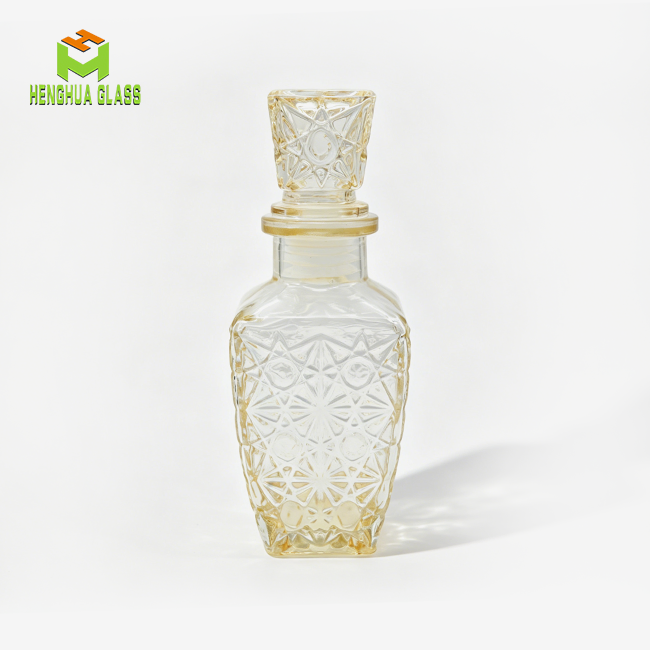
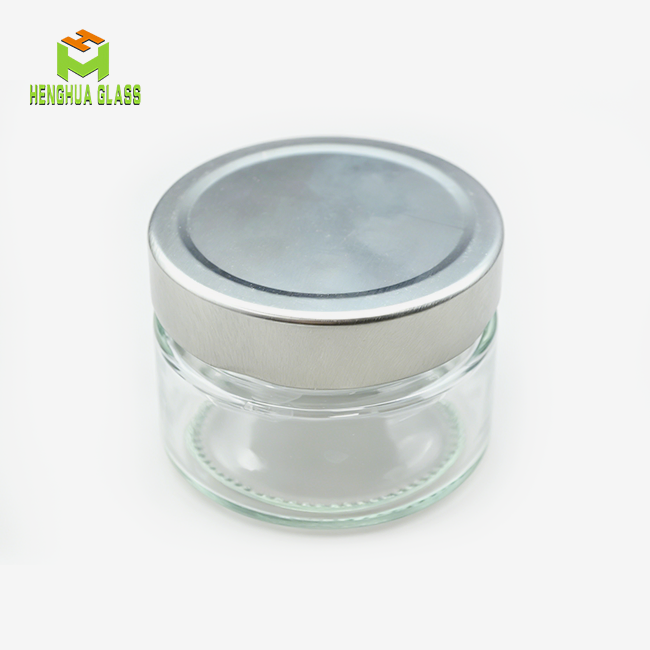
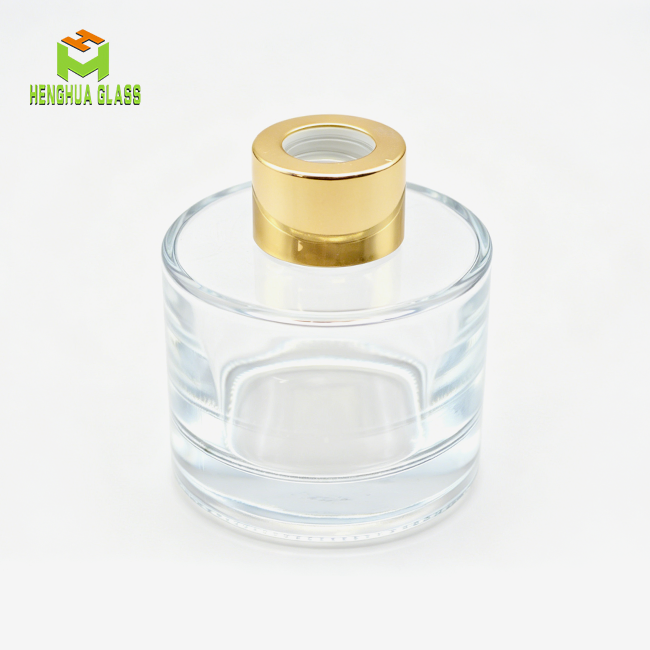
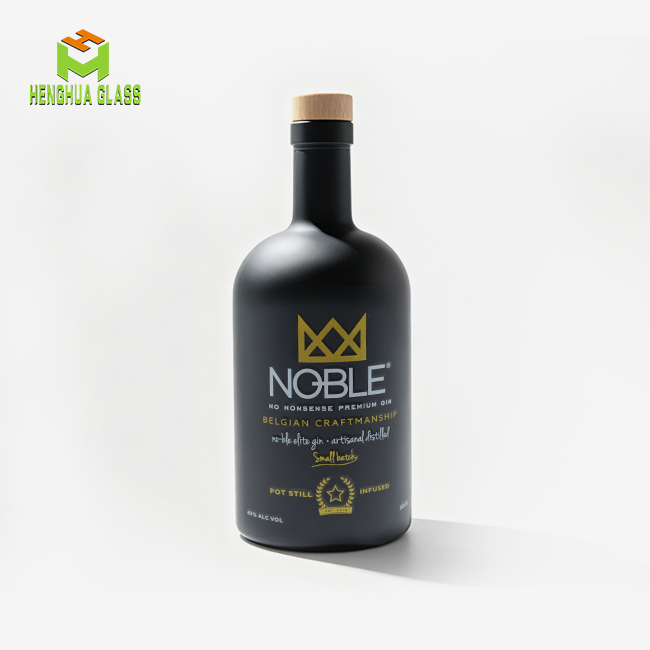
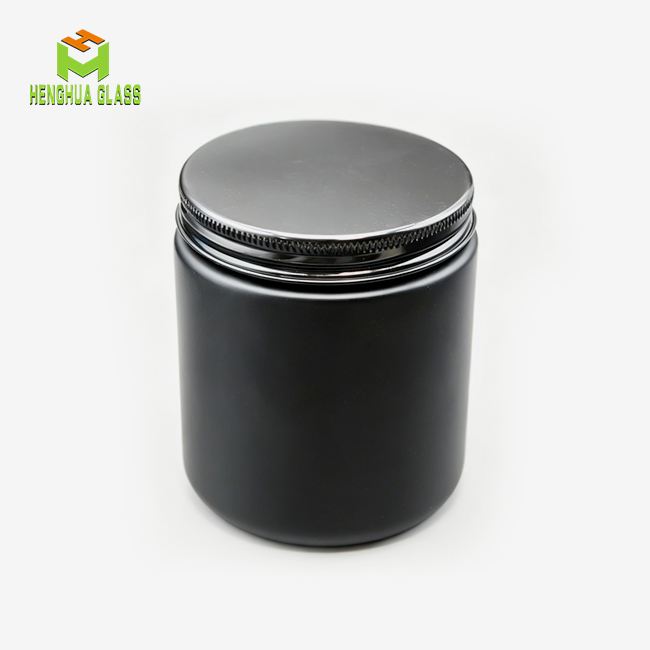
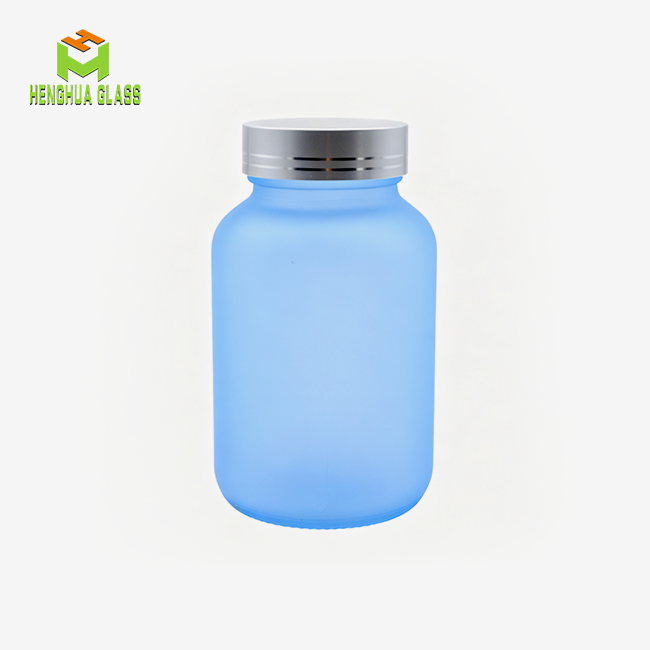
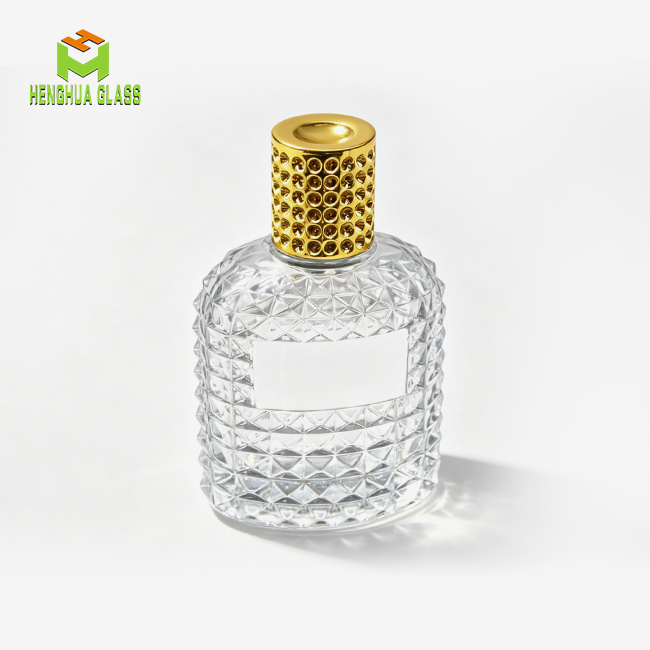
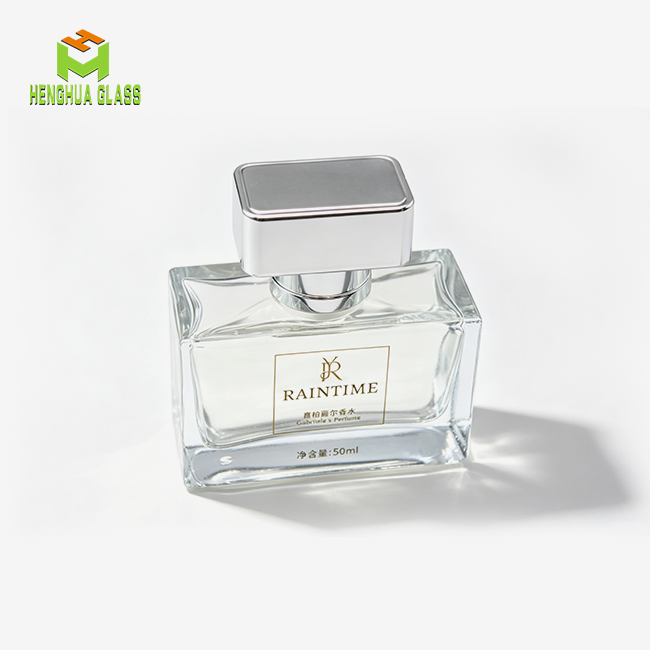
If you're sourcing reusable glass syrup bottles in bulk, the most direct path leads to factory-direct manufacturers like Henghua, a Jiangsu-based glass packaging producer with over 20 years of experience serving global B2B buyers. Whether you need amber bottles for spirits, clear containers for olive oil, or custom-branded packaging for craft syrups, dedicated glass bottle manufacturers offer the widest selection, competitive factory pricing, and OEM/ODM support. This guide walks you through everything you need to know before placing a bulk order.send inquiry

Understanding Reusable Glass Syrup Bottles for Bulk Procurement
What Makes a Bottle "Reusable" in a Commercial Context
A glass bottle that can be used more than once can be cleaned, replaced, and moved many times without losing its shape. These bottles are not like single-use disposables because they have stronger bottoms and walls that are thicker. The screw-cap caps also keep an airtight seal through multiple fill processes. This lowers the cost of packing by one unit over time for businesses in the food, drink, or alcohol industries.
Key Features to Evaluate Before Ordering
A procurement manager should look at four main bottle features before placing a bulk order. These are the main specs that matter for the most part:
- Capacity range: Commercial sizes start at 100ml and 200ml and go up to 500ml, 750ml, and 1,000ml (16oz, 18oz, and 32oz), so they can hold anything from syrups for the bar to sauces for sale.
- Glass color: Amber glass blocks UV light below 450nm, which protects photosensitive liquids like flavor syrups and herbal infusions. Because it lets you see the item better, clear (flint) glass is the best way to store honey, olive oil, and craft drinks.
- Cap compatibility: Caps made of wood, metal, and plastic come in different colors, like gold, silver, white, and black, so they can be used with different brands and on different shelves.
- Surface treatments: There are many ways to fully customize the bottle for your brand on the outside. These include hot stamping, screen printing, interior carving, spray painting, and thermal transfer printing.
These things have a direct effect on how good a product looks on the shelf, how long it lasts, and how well it works with the assembly line. Because of this, choices made early in the planning process are very important.
Reusable vs. Disposable: A Practical Comparison
Glass works better than plastic and single-use products in a number of ways that can be proven. Because it is chemically neutral and doesn't have holes, a good glass bottle won't pick up smells, tastes, or leftovers between loads. The Glass Packaging Institute says that the FDA has only rated glass as "GRAS" (Generally Recognized As Safe) for packaging. This means that it can be used with any type of food. When it comes to high-end products, this is a material benefit that plastic can't match.
Comparing Glass Syrup Bottles: How to Choose the Best Bulk Supplier
Glass vs. Plastic: What Procurement Data Shows
Plastic containers are cheaper per unit at first, but their long-term costs change when you think about how much product is lost due to permeation, how many people don't buy names that look like plastic, and how much it costs to recycle. Glass can be recycled over and over again without losing any of its quality. This means that it helps meet the SCOPE 3 pollution reduction goals that store partners are asking for more and more.
Thickness, Color, and Closure Type
A wall's weight and how long it lasts depend on how thick it is. In a commercial bar where things are moved or handled a lot, walls that are thicker protect against damage caused by hands. To pick between clear and amber glass is not just a style choice. Scientists have shown that amber is the best color for syrups that have natural plants or taste chemicals that change color when they come into contact with light. If you use roll-on pilfer-proof (ROPP) caps or screw caps with special liners on high-Brix syrup products, the sugar doesn't crystallize, or the moisture doesn't get in.
What Buyers in the US Market Report
Procurement managers from craft breweries, food makers, and cosmetic brands in the US say that their choice of seller is based on three things: how quick the supplier is, how much paperwork there is for approval, and how many samples are available. Price is in fourth place. As a whole, people are moving away from making decisions based only on price and toward managing risks when they source.
Sourcing Reusable Glass Syrup Bottles in Bulk: Where and How to Buy
B2B Marketplaces vs. Direct Manufacturer Orders
Platforms like Alibaba, Global Sources, and ThomasNet help buyers find a lot of suppliers. However, they make things more complicated, which can make it hard to see quality control at the plant level. When people buy from manufacturers, they don't have to go through middlemen and can ask for audit records, look at certifications for production lines, and talk about the costs of custom tools.
What to Look for in a Wholesale Glass Bottle Supplier
These things will help you tell the difference between safe and risky vendors when you're looking for places to buy glass syrup bottles in bulk:
- Certifications: To get into the US and European markets, you need to have FDA, CE, SGS, and LFGB certifications.
- Production capacity: Supply companies with 10 or more glass melting kilns and automatic lines can promise quality that doesn't change even when a lot of glass is being made.
- Lead times: As a general rule, samples are made in 25 days, and full orders are made in 30 days. You should be very wary of any supplier who offers much shorter deadlines without proof.
- Sample policy: Reputable makers let you try free samples that clearly show what you'll be getting before you decide to buy a lot of them.
People who want to buy glass from other countries should follow these steps to avoid making the most common mistakes.
Private Labeling and OEM Benefits
OEM and ODM glass bottle services let buyers pick the form of the bottle, the design of the mold, the decoration of the surface, and even the gift box packaging all in the same order. This is great for brands that want their packaging to stand out. When it comes to cosmetics, craft spirits, and fine olive oil brands that see packaging as an important part of their business, this is very helpful.
Best Practices for Bulk Procurement of Glass Syrup Bottles
Quality and Compliance Checks That Protect Your Business
It must be certified as food-grade. In the US, the FDA has rules about all glass items that come in touch with food. Buyers should also request hydrolytic resistance test results, annealing quality reports (which should be looked at with a polariscope), and proof that measurements for neck surfaces are correct. In these papers, it is proven that the bottle won't leak alkali ions into the product or stop sealing properly when it is hot-filled up to 90°C.
Cost Optimization Without Sacrificing Quality
When you buy glass in bulk, the best ways to save money are to use the same sizes for all SKUs, combine shipments, and get discounts for buying in bulk. Shipping costs per unit are cut by a lot when bottle sizes are picked so that they fit on standard pallets. People who want to save money on stock and lock in prices might also want to look into blanket purchase orders that can be used for orders from more than one product line.
Handling, Storage, and Maintenance Protocols
If you want to keep glass syrup bottles from weathering, which is also known as "glass bloom," where alkali ions move to the surface of the bottle, they should be kept in places with low humidity. Transporting things without mechanical stress fractures is possible with the right cushioning and vertical stacking. Make sure the bottles you buy can handle industrial cleaning rounds before you buy them. This will keep them from breaking from heat shock in a business kitchen or bar.
Future Trends in Glass Syrup Bottle Procurement
The Shift Toward Sustainable Packaging
Customers and the government are pushing stores to switch from plastic to glass faster in the food, drink, and personal care sections. There are laws in the EU called the Packaging and Packaging Waste Regulation and more and more state-level extended producer responsibility (EPR) laws in the US that tell people to recycle glass. If you sell in bulk and switch to glass packaging, you can now get your supply chain ready for the new rules about following them.
Smart Ordering and Supply Chain Traceability
Business-to-business buyers are finding it harder to find glass bottles because of digital tools for shopping. Manufacturing partners should offer ordering platforms that work with ERP, digital quality certificates, and the ability to track production in real time. Large buyers find it easier to keep track of their stock and make accurate guesses about what they will need when suppliers can do these things.
Design Innovation in Functional Packaging
Making things different isn't just about how they look. Built-in pour spouts, measurement marks for bar service, and ergonomic grip shapes are now things that people want in special OEM projects. When added to a business, these useful design touches make customers happy and reduce waste.
Conclusion
Plan ahead for where to find a lot of glass syrup bottles that can be used again and again. Write down your needs as soon as possible, compare sellers to certification standards, and deal directly with manufacturers instead of going through a marketplace. Glass really does help protect things, build trust in names, and keep the earth safe. There is a lot of proof that good glass packaging pays off in the long run in the food, spirits, and personal care industries. The market rewards buyers who take the time to properly evaluate sellers.
FAQ
1. What sizes are available for bulk glass syrup bottle orders?
It comes in 16oz, 18oz, and 32oz large sizes, as well as 100ml, 200ml, 500ml, 750ml, and 1,000ml sizes. It is also possible to get custom features through OEM deals.
2. Are these bottles safe for hot-fill production?
Many good glass syrup containers can handle being filled with hot syrup up to 90°C, as long as the thermal shock differential is taken care of when the containers cool down.
3. Can I add my brand logo directly to the bottle?
If you want to change the look of the glass, you can use screen printing, hot pressing, internal etching, thermal transfer printing, or spray painting.
4. What certifications should I verify before ordering?
Before you buy a lot of something, make sure the seller can show you proof that they are certified by the FDA for food contact, CE, SGS, and LFGB.
5. What is the typical lead time for custom orders?
It takes 30 days to make a lot of things, and 25 days to make samples. Give your source these dates and times on paper.
Source Reusable Glass Syrup Bottles in Bulk Directly from Henghua
Henghua has been making glass syrup bottles for over 20 years. They have 10 furnaces that melt glass, and each day they can make more than a million bottles. The FDA, CE, SGS, and LFGB have all approved our goods. We offer free samples, do full OEM/ODM work, and are honest about how long it will take to get your order. Send us an email at denny@henghuaglass.com right away to get a price.
References
1. Glass Packaging Institute. Glass Packaging and Sustainability Report. 2022.
2. U.S. Food and Drug Administration. Guidance for Industry: Food Contact Substances Notification System. 2021.
3. European Commission. Packaging and Packaging Waste Regulation (PPWR) Proposal. 2022.
4. Freedonia Group. World Glass Containers Market Report. 2023.
5. Packaging Digest. Trends in Bulk Glass Packaging Procurement for Food and Beverage. 2023.
6. ASTM International. Standard Specification for Glass Containers for Use in Microwave Ovens and Hot-Fill Applications (ASTM C1036). 2020.
Learn about our latest products and discounts through SMS or email