- English
- French
- German
- Portuguese
- Spanish
- Russian
- Japanese
- Korean
- Arabic
- Irish
- Greek
- Turkish
- Italian
- Danish
- Romanian
- Indonesian
- Czech
- Afrikaans
- Swedish
- Polish
- Basque
- Catalan
- Esperanto
- Hindi
- Lao
- Albanian
- Amharic
- Armenian
- Azerbaijani
- Belarusian
- Bengali
- Bosnian
- Bulgarian
- Cebuano
- Chichewa
- Corsican
- Croatian
- Dutch
- Estonian
- Filipino
- Finnish
- Frisian
- Galician
- Georgian
- Gujarati
- Haitian
- Hausa
- Hawaiian
- Hebrew
- Hmong
- Hungarian
- Icelandic
- Igbo
- Javanese
- Kannada
- Kazakh
- Khmer
- Kurdish
- Kyrgyz
- Latin
- Latvian
- Lithuanian
- Luxembou..
- Macedonian
- Malagasy
- Malay
- Malayalam
- Maltese
- Maori
- Marathi
- Mongolian
- Burmese
- Nepali
- Norwegian
- Pashto
- Persian
- Punjabi
- Serbian
- Sesotho
- Sinhala
- Slovak
- Slovenian
- Somali
- Samoan
- Scots Gaelic
- Shona
- Sindhi
- Sundanese
- Swahili
- Tajik
- Tamil
- Telugu
- Thai
- Ukrainian
- Urdu
- Uzbek
- Vietnamese
- Welsh
- Xhosa
- Yiddish
- Yoruba
- Zulu
Cold Pressed Juice Glass Bottle: Key Features to Consider Before Buying
If you're sourcing packaging for cold-pressed juices, choosing the right bottle is one of the most consequential decisions you'll make. A cold pressed juice glass bottle does more than hold liquid — it protects nutritional integrity, signals brand quality, and meets food safety standards that plastic simply cannot match. Whether you're a juice manufacturer, packaging buyer, or distributor, this guide walks you through everything you need to evaluate before placing a bulk order.send inquiry


Understanding Cold Pressed Juice Glass Bottles: Benefits and Essential Features
Why Glass Is the Right Material
What you put in glass doesn't change how it works. Vitamins, enzymes, and juices that are sour don't mix with it. The FDA says that glass is GRAS, which means that food can touch it without getting sick. In other words, the item can't get chemicals into it. The juice is raw and hasn't been changed in any way when you cold-press, which is a clear benefit.
Shelf Life and Nutritional Retention
Vitamin C and antioxidants need a lot of oxygen to stay fresh. Glass doesn't let air go through it. A study in the Journal of Food Science found that antioxidants break down much more quickly, in just a few days, when air gets into polymer packaging. That can't happen with glass if it has the right seal that shows it has not been tampered with. It will stay good for 30 to 45 days in the fridge.
Brand Perception and Market Positioning
Nielsen did a study in 2023 and found that 64% of people who buy expensive drinks believe that drinks in glasses are better. People who buy glass for shops, juice bars, or monthly box services care about how it looks and feels. This makes it more likely that people will pay more.
Critical Comparison: Glass Bottles vs. Plastic Bottles for Cold Pressed Juice
Health and Chemical Safety
There may be BPS or phthalates in a plastic bottle that make it more flexible, even if it doesn't have BPA. Environmental Science & Technology published a study in 2020 that found more than 150 chemicals that can slowly move from plastic to drinks. This is very important if the temperature changes while it's being shipped. These chemicals are not in glass.
Environmental Impact
It won't hurt at all to make new glass. The Glass Packaging Institute says that reusing glass takes 40% more energy than making new glass. Even though it takes longer to ship than plastic, glass is better for the environment in the long run when used in closed-loop systems. This means that expensive glass items give off a lot less carbon dioxide over the course of their lifetime.
Supply Chain and Cost Considerations
It costs more and takes longer to move a piece of glass. Cold pressed juice glass bottle packaging is better in the long run, though, as long as a business buys in bulk. It keeps the brand's worth high, cuts down on cost-per-impression on the shelf, and cuts down on the number of returns from angry customers. As of now, many U.S. distributors want organic or premium juice lines to be made in glass.
Key Features to Evaluate When Selecting Cold Pressed Juice Glass Bottles
When you pick a bottle, you should think about how it works and how the name will look on it. These parts have a direct effect on how safe the product is, how well it meets the rules, and how well it does on the shelf.
Before you decide for sure to buy, you should think about these key things:
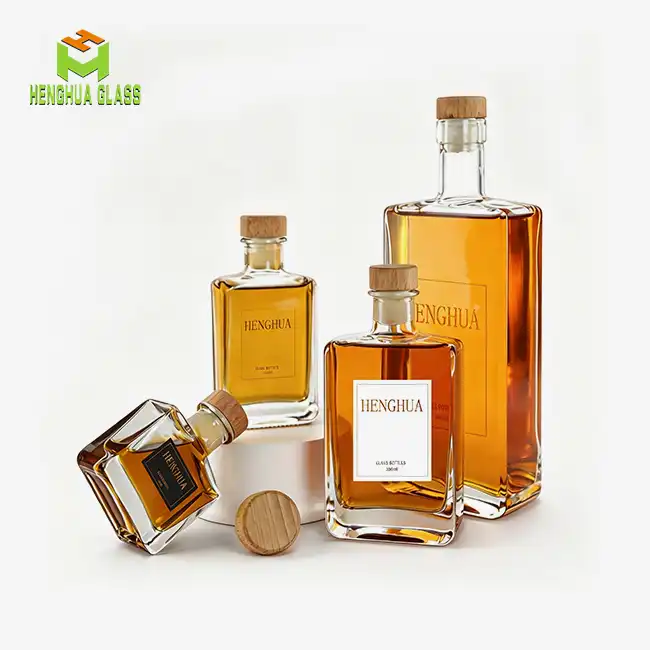
- Capacity and size options: There are different bottle shapes and sizes that can hold different amounts of cold-pressed juice in glass bottles. Each three-serve bottle holds 16 oz, 18 oz, or 32 oz. Each bottle holds 100ml or 200ml. What you choose will affect how you divide the food and how well the box works while you move it. When each bottle is the right size for how it will be sent, it costs less to ship them.
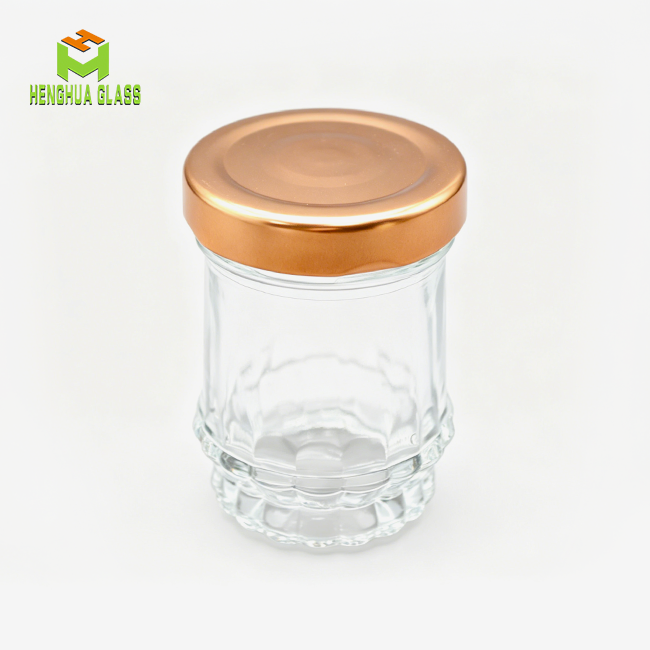
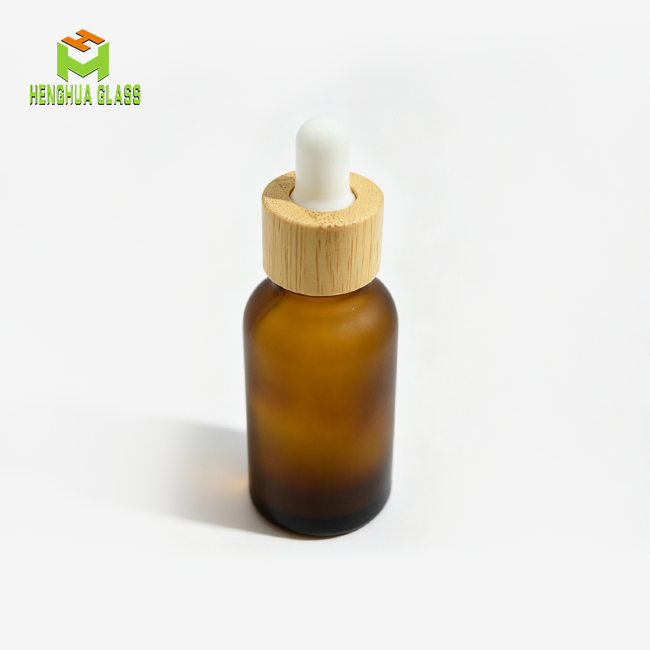
- Closure type and seal integrity: How does it seal and close? Most of the time, screw caps with induction cores or roll-on tamper-evident seals are used on juice bottles. If you put a plastisol filler inside a 38mm or 48mm PP cap, the seal won't break. Names can go with metal, glass, copper, wood, white, black, or gold caps. It's still the same.
- Glass thickness and wall uniformity: Walls that are thicker last longer when they are being shipped, stacked, and filled. A water pressure of up to 600 MPa is used for High-Pressure Processing (HPP). This makes the bottles' walls spread out a lot. There are weak spots in the glass that make the bottle break.
- Surface treatment and branding options: You can brand and treat the surface in a number of ways, such as by screen printing, gold stamping, bronze stamping, thermal transfer printing, carving or painting inside the surface, or using spray paint. You don't have to use paper stickers that can tear when the item is frozen because you can write your name right on the glass.
All of these things show how safe the item seems and how it looks on the shelf. If you don't pay attention to any of them, they won't give your goods what they need.
Procurement Guide: Sourcing High-Quality Cold Pressed Juice Glass Bottles
Certifications and Compliance Standards
Every service you work with should have FDA, SGS, CE, or LFGB certifications, depending on the market you want to reach. If you want to sell your goods in the U.S. market, you should follow Prop. 65 in California. Your service should use heavy metal ICP-OES tests to make sure that the glass doesn't contain any lead or cadmium.
Supplier Evaluation Criteria
Talk to the businesses to find out how much they can make, how long it takes to get samples, and whether they can make orders that are unique. It's more than a small business can do with just one burner making a million units a day. They can do this because they have 10 sets of fully automatic ovens and lines that can melt 150 tons of glass. In 25 days, samples should be made, and in 30 days, we should start making everything.
Value-Added Services That Affect Your Bottom Line
Not just the cold pressed juice glass bottle should be on your mind. You should also ask the seller what they can do to help you pack it. You don't have to work with as many providers when you use services like OEM/ODM design, 3D bottle shape models, custom labels, and having caps that fit. It's easy to see the grade now. When it comes to transportation loss pay and free samples, how a supplier handles these things can also show how much they believe in their own product.
Best Practices for Using and Maintaining Cold Pressed Juice Glass Bottles
Sanitation Protocols
Strong acids can clean clear glass bottles without making them cloudy or making them lose their shape. Sterilization at temperatures above 85°C will also keep the bottles clear. A three-step wash method is often used by juice shops to refill drinks. There is a clean rinse, an alkaline wash, and a pre-rinse. Glass works well for closed-loop systems in hotels and health food stores because of this.
Storage and Temperature Guidance
Juice in full glass bottles should be kept between 1°C and 4°C to keep the color and enzyme use fixed. Direct UV light breaks down vitamins more quickly, so stay away from it. It naturally blocks light, so this type of glass is best for drinks with a lot of green or vitamin C that don't like being in light.
Handling and Breakage Prevention
People should be ready for the chance that glass will break on the way. You can use foam inserts, pre-cut cardboard dividers, or molded pulp packing to keep the bottles from touching while they're being shipped. When metal is stressed, bottles with thicker bases and stronger walls can handle it better than bottles with thin walls.
Conclusion
Choosing the right cold pressed juice glass bottle packing comes down to material safety, structural performance, branding capability, and supplier dependability. Glass outperforms plastic across all four dimensions for cold-pressed juice applications. By evaluating bottle size, closure type, wall thickness, surface treatment options, and supplier certifications, procurement teams can make confident, defensible sourcing decisions. The investment in quality glass packaging protects both your product and your brand's long-term standing in the market.
FAQ
1. Are cold-pressed juice glass bottles BPA-free?
Yes. Because it doesn't contain any man-made plastics, cold-pressed juice glass bottles are safe from BPA, BPS, and phthalates. The best material that can touch food is this one if you want to package raw juice. It can also be used by health-conscious brands to get their name out there.
2. How long does cold-pressed juice stay fresh in glass?
In a fridge that stays between 1°C and 4°C, cold-pressed juice in a glass bottle with a tight lid will stay fresh for 30 to 45 days. Adding heat processing (HPP) can make the shelf life even longer.
3. What customization options are available for glass juice bottles?
The bottle can be any size or color (amber, clear, or blue), and the outside can be engraved or printed. It also lets you change the label, the cap, and the look of the box it comes in. As an OEM or ODM customer, you can make goods that are only available under your name.
4. What sizes are available for bulk orders?
Sizes like 100ml, 200ml, 500ml, 750ml, 1000ml, 16 oz, 18 oz, and 32 oz can be changed to fit the manufacturing needs.
5. Are these bottles suitable for HPP processing?
All the walls of a round bottle made of HPP can be the same thickness. Make sure the provider tests the glass to make sure it passes the wall thickness distribution test before you agree to HPP production runs.
Partner with Henghua for Premium Cold Pressed Juice Glass Bottle Solutions
Henghua brings over 20 years of manufacturing experience to every order. As a trusted cold pressed juice glass bottle manufacturer, we offer FDA, SGS, CE, and LFGB-certified products, full OEM/ODM services, and factory-direct pricing with no quality compromise. Contact us at denny@henghuaglass.com to request free samples and a custom quote today.
References
1. Journal of Food Science — "Oxygen Permeability and Nutrient Retention in Beverage Packaging Materials," 2021.
2. Environmental Science & Technology — "Chemical Migration from Plastic Food Packaging," 2020.
3. Glass Packaging Institute — Annual Sustainability Report, 2022.
4. Nielsen Consumer Insights — Premium Beverage Packaging and Purchase Intent, 2023.
5. U.S. Food and Drug Administration — Guidance for Industry: Food Contact Materials, 2019.
6. Packaging Technology and Science — "High-Pressure Processing Compatibility of Glass Containers," 2022.
Learn about our latest products and discounts through SMS or email