- English
- French
- German
- Portuguese
- Spanish
- Russian
- Japanese
- Korean
- Arabic
- Irish
- Greek
- Turkish
- Italian
- Danish
- Romanian
- Indonesian
- Czech
- Afrikaans
- Swedish
- Polish
- Basque
- Catalan
- Esperanto
- Hindi
- Lao
- Albanian
- Amharic
- Armenian
- Azerbaijani
- Belarusian
- Bengali
- Bosnian
- Bulgarian
- Cebuano
- Chichewa
- Corsican
- Croatian
- Dutch
- Estonian
- Filipino
- Finnish
- Frisian
- Galician
- Georgian
- Gujarati
- Haitian
- Hausa
- Hawaiian
- Hebrew
- Hmong
- Hungarian
- Icelandic
- Igbo
- Javanese
- Kannada
- Kazakh
- Khmer
- Kurdish
- Kyrgyz
- Latin
- Latvian
- Lithuanian
- Luxembou..
- Macedonian
- Malagasy
- Malay
- Malayalam
- Maltese
- Maori
- Marathi
- Mongolian
- Burmese
- Nepali
- Norwegian
- Pashto
- Persian
- Punjabi
- Serbian
- Sesotho
- Sinhala
- Slovak
- Slovenian
- Somali
- Samoan
- Scots Gaelic
- Shona
- Sindhi
- Sundanese
- Swahili
- Tajik
- Tamil
- Telugu
- Thai
- Ukrainian
- Urdu
- Uzbek
- Vietnamese
- Welsh
- Xhosa
- Yiddish
- Yoruba
- Zulu
Amber Glass vs. Clear Glass Bottles for Cold Brew: Which Should You Choose?
For procurement managers looking to source glass bottles for cold brew coffee, one of the very first considerations to make is whether to use amber or clear glass. The solution is not just a matter of selecting a preferred hue. It prevents taste loss by shielding coffee oils from oxidation as well as preventing UV light wavelengths under 450nm from passing through. But clear glass displays the drink’s bright color and allows for powerful branding on the shelf. Your ideal decision relies on your product’s shelf-life goals, your distribution channel, and your plan for brand recognition.send inquiry

Understanding Glass Bottles for Cold Brew Coffee: Amber vs. Clear
What Makes Amber Glass Different?
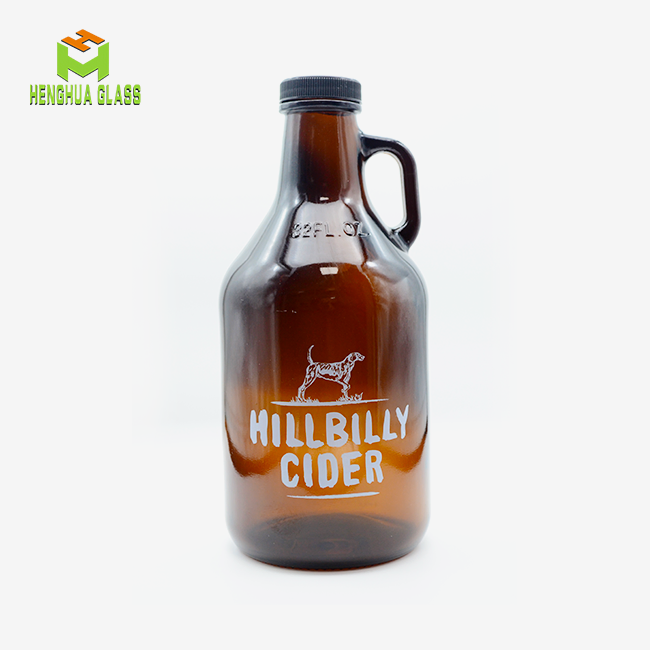
The iron, sulfur, and carbon compounds meld into the silica matrix while the glass is being formed. This is what causes the glass to be brown. This hue prevents UV rays from penetrating. Light undoubtedly accelerates the oxidation of the lipids in cold brew, which is why it tastes like old cardboard after a few days. Amber glass substantially decreases this danger and is the ideal material to use for storage of items requiring a longer life span.
The Appeal of Clear Glass Packaging
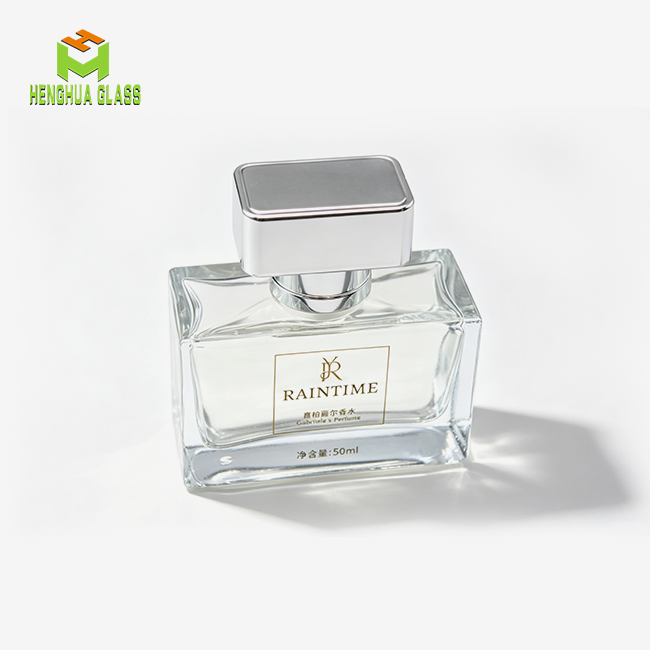
Soda lime silica is highly pure, and this is what clear glass is manufactured from. “If the store is open and all is clear, people are more likely to buy something right away.” They can see the deep, rich brown color of a good cold brew concentrate, and that makes the shop appear larger. If you care about the appearance of your goods, utilize transparent glass. You can print on it, you can hot stamp it, you can have custom labels
How Light Sensitivity Affects Flavor Stability
If cold brew coffee is exposed to direct UV or visible light, it will degrade the chemicals that give coffee its scent. In 2019, a Journal of Agricultural and Food Chemistry study showed that clear glass exposed to typical light conditions may lose almost 30% of its quality score in only 72 hours. Buy teams need to know this so they can decide between clear and amber bottles for products that are going to be stored cold for a long time or for display at room temperature.
Key Criteria for Choosing Between Amber and Clear Glass Bottles
You’ve got to know what the product is and what the company requires before you choose a bottle. Here are some ideas to help you decide:
- UV Protection Need: If your product will be on illuminated retail shelves for more than two weeks, amber glass is the better option. Amber will filter over 99% of UV light below 450nm whereas regular clear glass bottles for cold brew coffee would provide almost no protection.
- Brand Visibility and Aesthetics: Clear glass enables the entire color of the product to be shown and allows for a greater choice of decorative surface treatments, including internal engraving, thermal transfer printing, and transparency finishes that are more difficult to accomplish on amber glass.
- Closure Integrity: Both kinds of bottles may be combined with screw caps (wood, metal, or plastic) in gold, silver, black, or white. Airtight screw caps with induction-seal liners provide an oxygen transfer rate of near 0%, maintaining the fragrance and freshness of cold brew concentrates regardless of glass color.
- Cost and MOQ: Clear glass bottles are often less expensive per unit, but if the product fails and produces returns or complaints, the savings soon vanish. While amber glass may be a little more expensive initially, this is often justified in the case of shelf-stable RTD beverages.
- Sustainability Certifications: Both varieties of glass are 100% recyclable. If you are sourcing for a retail chain in Europe or the US, you need to make sure that the suppliers have FDA and SGS certifications to fulfill the import standards.
Practical Considerations: Storage, Usage, and Maintenance of Glass Bottles
Optimal Storage Conditions
Cold brew bottles will keep fresh as long as they are not exposed to direct sunlight and are maintained at a consistent temperature of 34°F to 40°F (1°C to 4°C). The bottles might be clear glass or brown glass. Seals expand and contract several times with temperature variations, and this might cause them to degrade over time. The HengHua bottle body is thicker; thus, it can withstand temperatures of 40°C~60°C. Thus, they lend themselves to light cooking and cold cooking.
Cleaning and Hygiene Protocols
One nice thing about beautifully crafted glass bottles is that the interior wall is smooth. It also won’t pick up biofilm, cleaners, or previous flavors. When used for bottle cleaning in manufacturing, they will not attack the surface of excellent soda-lime glass, although they are quite acidic. Do not use harsh instruments that can damage the inside. When you're done with a coffee bottle, wash it immediately so the oils don't harden and adhere to the glass.
Choosing the Right Closure System
It's not just the glass, but how the glass is closed that matters. Screw caps with cone covers or induction-seal foils are excellent for keeping air out of cold brew coffee. Henghua offers hats and caps made of metal, plastic, and wood in gold, silver, white, and black colors. This helps businesses ensure the appearance of their packaging is proper. Swing-top locks still appeal to people for craft stores and other short-term purposes.
Market Trends and Procurement Insights for Glass Bottles in 2024
Sustainability Is Reshaping Purchasing Decisions
They found that the U.S. market for cold brew coffee was worth $1.37 billion in 2023 and is still growing. Sustainability used to be just a marketing issue, but now you have to buy things that are sustainable because of all the growth. In the U.S., big food stores now want to see proof of the carbon footprint per unit and the amount of recycled material. In this case, glass bottles for cold brew coffee are better than PET because they can be reused and recovered over and over.
Customization Drives Brand Differentiation
More and more, buying teams want fully customizable package options. Henghua can make things just for you. They can paint, engrave, screen print, hot stamp, and make bottles in any shape you want, and more. There are sizes of 100ml, 200ml, 500ml, 750ml, 1000ml, 16oz, 18oz, and 32oz to choose from. You can change the sizes in any way you want. If companies that make drinks have this much freedom, they can make bottles that stand out on store shelves and are easy for fans to find.
Certifications Matter in B2B Procurement
More weight should be given to glass bottle suppliers that are approved by CE, FDA, SGS, and LFGB by the people who buy things. Food-grade products are safe, meet the rules about not having lead or cadmium in them, and are made in a good way, as shown by these papers. Getting testing records ahead of time makes it faster for store buyers to check them or for customs to clear them.
Comparing Amber Glass and Clear Glass Bottles: Case Studies and Usage Scenarios
Case Study 1: Specialty Coffee Roaster Switches to Amber Glass
In the U.S., a mid-sized specialty coffee machine creates a long-lasting cold brew concentrate. People complained that the flavor was different after two weeks; therefore, the manufacturer changed from clear to amber glass. Their product lasted 21 days in the fridge before switching to amber bottles with induction-seal screw closures. Once they switched, it would last 60+ days. The roaster tweaked the packaging to seem more upscale, and the consumer contentment ratings went up. The price hike more than offset the increased cost of the bottles.
Case Study 2: Distributor Uses Clear Glass for Hospitality Channels
A firm nearby supplies cold brew to a few hotels and coffee shops around the region. As the bottles are constructed of transparent glass, they appear beautiful at the serving station. Things are sold 48 to 72 hours after they’ve been opened, so UV damage doesn’t occur here. They screen-printed their names on transparent glass to make a nice presentation for their customers. The food was not going to stay long; thus, the shipper advised dark freezers. They worked well and were not expensive.
When these two things happen, we can see that neither form of glass is always preferable. How the company is structured, how the product is marketed, and for how long it will last will dictate your decision.
Conclusion
Light does not affect the flavor of glass bottles for cold brew coffee since amber glass maintains and preserves everything fresh for a long time. Clear glass does a superb job of enhancing and revamping the appearance of both DTC and hospitality storefronts. You may use them; keep them in appropriate places so they operate properly. That’s how most B2B buyers will find their greatest fit. They will examine how you want to sell your items and how long you want them to endure. A good bottle does more than secure the object within. It checks the product at each stage of the supply chain to make sure it is excellent and reflects the brand.
FAQ
1. Does amber glass actually make cold brew taste better?
It's not true that food tastes better in clear glass. UV light breaks down coffee oils, but this stops the taste from getting worse. If you keep your cold brew outside in a well-lit spot for more than a week or two, amber glass is more likely to keep the flavor than clear glass.
2. What capacity options are available for cold brew bottles?
100ml, 200ml, 500ml, 750ml, 1000ml, 16oz, 18oz, and 32oz are general sizes. You can also make shapes the way the business wants them.
3. Can I use the same bottle for both cold brew and other beverages?
Yes. High-quality food-grade glass bottles suitable for cold brew coffee are also compatible with spirits, olive oil, and other beverages, making them versatile for multi-product beverage brands.
4. What cap materials work best for cold brew?
Screw caps with induction-seal liners offer the strongest oxygen barrier. Available materials include wood, metal, and plastic, with color options in gold, silver, black, and white.
5. Is clear glass safe for cold brew if stored in a dark refrigerator?
Yes. If products are stored in dark or opaque refrigeration units and turn over quickly, clear glass performs safely and effectively while delivering stronger shelf aesthetics.
Partner with Henghua for Your Cold Brew Glass Bottle Supply
Henghua has been making products for over 20 years and fills all orders. Because our company is reliable and sells glass bottles for cold brew coffee, all of our items are FDA-, CE-, SGS-, and LFGB-approved. The 10 melting kilns we have allow us to quickly fill big orders. Each day, they can make up to a million units. It's possible to get it for free. To get a price, email denny@henghuaglass.com right now.
References
1. Yerlan Abzhanov et al., "Light-induced oxidation of coffee lipids and its impact on sensory quality," Food Chemistry, 2019.
2. Blank, I. et al., "Aroma compounds in cold brew coffee and their stability under storage conditions," Journal of Agricultural and Food Chemistry, 2020.
3. Grand View Research, "Cold Brew Coffee Market Size, Share & Trends Analysis Report," Grand View Research, 2023.
4. Opara, U.L. & Mditshwa, A., "Packaging and storage effects on food quality: a review," Food Packaging and Shelf Life, 2021.
5. Rosen, R.T. & Ho, C.T., "Effect of UV irradiation on the chemical stability of coffee beverage compounds," ACS Symposium Series, 2018.
6. European Commission, "Commission Regulation (EU) No 10/2011 on plastic materials intended to contact food," Official Journal of the European Union, 2011.
Learn about our latest products and discounts through SMS or email