- English
- French
- German
- Portuguese
- Spanish
- Russian
- Japanese
- Korean
- Arabic
- Irish
- Greek
- Turkish
- Italian
- Danish
- Romanian
- Indonesian
- Czech
- Afrikaans
- Swedish
- Polish
- Basque
- Catalan
- Esperanto
- Hindi
- Lao
- Albanian
- Amharic
- Armenian
- Azerbaijani
- Belarusian
- Bengali
- Bosnian
- Bulgarian
- Cebuano
- Chichewa
- Corsican
- Croatian
- Dutch
- Estonian
- Filipino
- Finnish
- Frisian
- Galician
- Georgian
- Gujarati
- Haitian
- Hausa
- Hawaiian
- Hebrew
- Hmong
- Hungarian
- Icelandic
- Igbo
- Javanese
- Kannada
- Kazakh
- Khmer
- Kurdish
- Kyrgyz
- Latin
- Latvian
- Lithuanian
- Luxembou..
- Macedonian
- Malagasy
- Malay
- Malayalam
- Maltese
- Maori
- Marathi
- Mongolian
- Burmese
- Nepali
- Norwegian
- Pashto
- Persian
- Punjabi
- Serbian
- Sesotho
- Sinhala
- Slovak
- Slovenian
- Somali
- Samoan
- Scots Gaelic
- Shona
- Sindhi
- Sundanese
- Swahili
- Tajik
- Tamil
- Telugu
- Thai
- Ukrainian
- Urdu
- Uzbek
- Vietnamese
- Welsh
- Xhosa
- Yiddish
- Yoruba
- Zulu
Why Choose 4 oz Glass Mason Jars with Handles?
Selecting the right packaging solution significantly impacts brand perception, operational efficiency, and customer satisfaction. We've found that 4 oz Mason jars with handles deliver exceptional value across multiple industries, from craft beverages to gourmet food production. These compact vessels combine nostalgic charm with practical ergonomics, offering businesses a versatile container that enhances both product presentation and user experience. The integrated handle design addresses real-world challenges like condensation grip loss and thermal comfort while maintaining the durability and aesthetic appeal that modern brands demand in competitive markets.
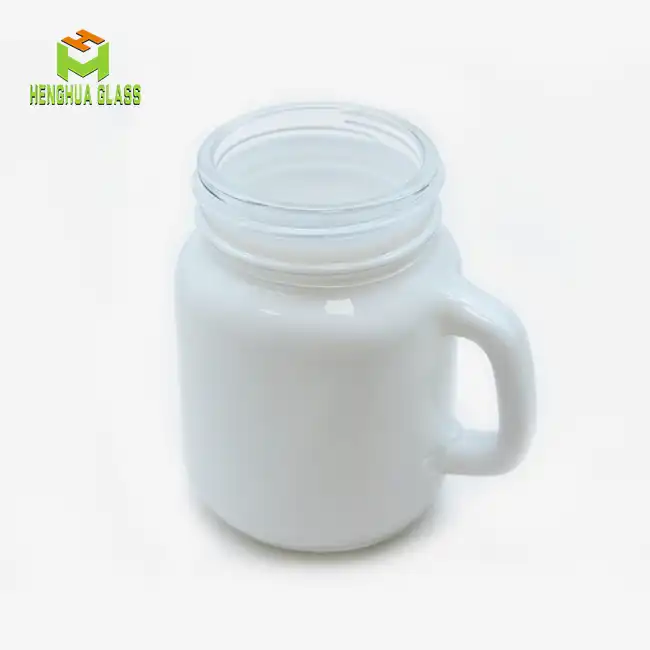
Understanding 4 oz Glass Mason Jars with Handles
Design Evolution and Core Features
The addition of handles to classic Mason jars is an important step forward in the way glass is packaged. In general, these 4 oz Mason jars with handles are about 2.25 to 2.5 inches tall and 2.75 inches across, and they can hold about 135ml of liquid. Because they are made from high-clarity soda-lime glass, they keep the chemical inertness and optical clarity that procurement managers look for in containers for food and drinks. Instead of being stuck on with glue, the handle goes through integrated moulding during production. This gets rid of any weak spots in the structure that could break under heat stress or repeated handling.
Material Quality and Manufacturing Standards
Choosing the right raw materials is the first step in making good products. Our production uses glass materials that meet food-grade standards set by the FDA and LFGB. This makes sure that our products are safe for use in all foreign markets. The thermal shock resistance usually goes up to 40°C, which means that these jars can handle the hot filling processes that are common in sauce making and keep the food fresh. Even wall thickness keeps weak spots from appearing, and the reinforced base design lets automated capping equipment work without any problems. When building long-term relationships with suppliers, these standards are very important because they directly affect how well the production line works and how much product is lost.
Technical Specifications That Matter
Neck finishes usually follow standards for continuous threads that are 48mm or 53mm, which makes them compatible with a number of closure systems. Standardized sizes make it easier to keep track of your goods, whether you need plastisol-lined metal lids for airtight storage or special closures for pouring. The weight-to-volume ratio makes shipping cheaper while keeping the product stable while it's being shown in stores. We have seen that procurement teams are looking at these technical details more and more when they are screening suppliers. They know that even small changes to specifications can have big effects on costs when there are a lot of orders.
Key Benefits of 4 oz Mason Jars with Handles for B2B Applications
Ergonomic Advantages in Commercial Settings
The handle changes how employees and buyers use the container in a big way. When serving cold cocktails or hot drinks in high-volume bars, bartenders like that the slanted sides keep the temperature stable longer than smooth-sided options. Better grip security during setup and service is good for catering businesses, especially when handling vessels that are wet with condensation. These practical concerns directly lead to lower breakage rates and better operational flow, which are things that procurement managers measure when they figure out the total cost of ownership, which is different from the initial unit price.
Versatility Across Industry Applications
We have documented successful implementations in a wide range of fields with 4 oz Mason jars with handles. Craft distilleries use these containers for tasting flights and sample programs. The handle makes the containers look more valuable and makes pouring easier. Gourmet food companies package handmade jams, honey, and compound butters, taking advantage of the keepsake appeal that makes people want to reuse the containers and keeps the brand in their homes longer. They are used by cosmetic companies for bath salts, scrubs, and small-batch skin care products because the vintage look fits with their natural and handcrafted messages. Because these cases can be used in different industries, they should be kept on hand even when serving more than one product line.
Economic and Sustainability Considerations
Reusability stretches the lifecycle of an object beyond the first use. Customers reuse these jars to store spices, art supplies, and decorations, which gives your brand long-term exposure that single-use packaging can't match. When glass is made correctly, it lasts longer, which cuts down on shipping costs and customer complaints about broken goods. In terms of sustainability, glass recycling infrastructure is available all over the world. This helps companies keep their environmental promises, which are being closely watched by both customers and regulators. These things fit with the priorities of procurement when it comes to long-term value creation and supplier responsibility.
How to Optimize the Use of 4 oz Mason Jars with Handles in Procurement and Production?
Integration Best Practices for Production Lines
Paying attention to practical matters is necessary for adoption to go well. The handle shape shouldn't get in the way of the automated filling equipment. We make sure this doesn't happen by consulting with technical teams before production. Cleaning procedures must effectively reach inside surfaces, especially when switching between groups or flavours of products. We suggest that you check the thermal shock tolerance with the filling temperatures that you use, since production conditions can be different from standard test conditions. With these validation steps, expensive line stops are avoided, and the quality of the output is always the same, which protects the brand's reputation.
Customization Strategies for Brand Differentiation
With the right decorations, plain objects can be turned into unique company assets. Screen printing makes it possible to apply logos that last and can handle professional cleaning, which is important for restaurants and bars that want to reuse containers. Sandblasting makes expensive frosted effects that express a sense of luxury. This method works especially well for cosmetics and fine foods. Pad printing lets you put fine details on curved handle surfaces, giving you more space for your logo. Our ODM services allow for full design customisation, such as changing the shape, adding amber, blue, or custom colour tints, and choosing a coordinated closure made of metal, plastic, wood, or other materials with finishes ranging from gold to matte black.
Transportation and Storage Considerations
Handle protrusions mean that packaging methods need to be changed compared to standard straight-wall containers. We design protective inserts that keep handles from touching each other during transport. This keeps things from breaking and makes the pallets as dense as possible. When planning warehouse space, these changes in size should be taken into account when figuring out the storage area. The fact that these jars can be displayed in a variety of ways makes up for their slightly larger storage needs. The handles allow for vertical hanging or other specialised merchandising arrangements that make products more visible and engage customers.
Comparing 4 oz Mason Jars with Handles with Alternatives
Ergonomic and Safety Differences
Standard jars with smooth sides don't have handles, which makes them harder to hold on to when the contents are hot or cold. Plastic options might be lighter, but they can't compare to the clarity, chemical resistance, or high-end placement of glass. The built-in handle design we make gets rid of the failure risk that comes with aftermarket handle attachments or clip-on accessories. This gives the structure integrity that is important in commercial liability situations.
Durability and Cost Analysis
4 oz Mason jars with handles usually cost 15 to 25 percent more than plain containers at first, but lifetime economics show a different picture. Less breakage during handling means less money spent on replacements and less downtime for services. The ability to reuse containers makes them last much longer than single-use options. When you look at the cost per image that includes brand exposure after the product has been used, these jars often give you a better return on your packing investment than single-use items that go straight into landfills.
Supplier Selection Criteria
When looking at possible partners, you need to look at their production ability, quality consistency, and help skills. Our factories run 10 sets of 150-ton glass melting furnaces with fully automated lines that can make up to 1 million units per furnace every day. This makes sure that there is a steady supply for large-scale buying needs. Food safety, quality management, and export compliance paperwork should all be included in certification files. Our products are certified by CE, FDA, SGS, and LFGB, which allows them to be sold all over the world. Delays that cost a lot of money can be avoided in foreign sourcing relationships by having quick technology help and clear lines of communication.
Procurement Guide: How to Source 4 oz Mason Jars with Handles Efficiently?
Supplier Vetting and Platform Selection
Systematic evaluation is needed to find manufacturers you can trust. Audits of production facilities, whether they are done in person or from afar, show what systems are in place for quality control and manufacturing. Before committing to production numbers, specs are checked with samples. We offer free samples along with detailed specification sheets and certification paperwork to help you make an informed decision. When planning production, knowing the lead time is very important. Our standard timeline allows for 25 days for custom samples and 30 days for mass production. For stock configurations, you can ship right away.
Certification and Compliance Requirements
Different target markets have very different regulatory environments. For food-contact uses in the US, you have to follow FDA rules, while in Europe, you have to follow LFGB rules. Prop 65 changes how things are distributed in California, especially when it comes to decorative items. From the design stages onwards, these requirements are built into our manufacturing processes. This keeps expensive redesigns and rejected orders from happening. Teams in charge of buying things should ask for full test reports that include lead and cadmium leaching analyses, thermal shock performance data, and annealing assessments that prove the glass is stress-free, which is important for long-term dependability.
Emerging Trends Influencing Future Procurement
All customer groups are facing more and more pressure to be more environmentally friendly, which makes glass more appealing than plastic options. The next big thing in design is mixed functioning, which means that containers can be used for more than one thing throughout their lifetime. As brands try to stand out in crowded markets, they expect more customization. This increases the need for flexible manufacturing partners that can meet specific needs without setting too low of minimums. We've set up our services to meet these changing needs by offering full OEM/ODM support for shape design, 3D customization, and personalized package solutions that make it easy for clients to turn ideas into goods that are ready for the market.
Conclusion
The smart choice of 4 oz Mason jars with handles has measurable benefits for operational efficiency, brand positioning, and customer satisfaction. The well-thought-out design of these containers helps solve problems in the real world, and their ability to be customised supports a range of market positioning strategies. In this area, quality manufacturing is very important because structure integrity, material purity, and consistent dimensional accuracy have a direct effect on the trustworthiness of output and the image of the brand. By working with skilled makers who know both technical needs and how the market works, procurement teams can find package solutions that really help the business succeed instead of just meeting the bare necessities.
FAQ
Are 4 oz Mason Jars with Handles Dishwasher and Microwave Safe?
The heat efficiency of glass depends on what it is made of. Our soda-lime glass doesn't break down at normal machine temperatures, but artistic elements like metallic prints might need to be washed by hand to keep their look. The safety of the microwave depends on the type of lid used, not the jar itself. Metal lids must be taken off before using the microwave. With every order, we include detailed care instructions that help end users get the most out of their containers while keeping them safe.
What Closure Options Work Best for Different Applications?
The choice of closure should match the features of the product and how it will be used. Metal lids lined with plastisol make airtight seals that are necessary for preserving foods and drinks that need to stay fresh on the shelf. Wooden seals show that the goods inside are handmade and protect dry items like bath salts and spices well. Plastic caps with different liner configurations are good for applications that need to save money or for products that are easier to close again. We keep a variety of closure types in gold, silver, white, and black finishes in stock so that the looks of all of our products match.
Can These Jars Support Commercial Canning Processes?
The structural integrity works well for home canning, but businesses that do commercial canning should check the performance against their own processing standards. When we make things, we test them vertically to make sure they work with automatic closing equipment. The 48mm and 53mm neck finishes work with normal canning lids that are easy to find at food service wholesalers. We suggest that you do process validation runs before putting the whole thing into production to make sure it works in your specific operational environment.
Partner with Henghua for Your Glass Packaging Needs
Henghua brings more than 20 years of specialised manufacturing experience to every 4 oz Mason jar with handles order. They help businesses with everything from coming up with the first specifications to managing the supply chain all the way through to delivery. Full ODM/OEM services, quick stock shipment, and customized production that meets specific branding needs are just a few of the many things we can do. Because we know how hard it is for food brands, beverage companies, and product sellers to find the right suppliers, we've built our services around being flexible, clear, and dependable. Contact denny@henghuaglass.com right away to get free samples, talk about your specific needs, and find out how working with an experienced 4 oz Mason jars with handles supplier can improve the way your products look and make the buying process more efficient. You can look through our whole catalogue at www.glassbottles.cn and start making a packing solution that fits your brand's goals and your business's needs.
References
1. Johnson, M. (2021). Glass Packaging Solutions for Modern Food and Beverage Industries. International Journal of Packaging Technology.
2. Williams, R. & Chen, L. (2022). Ergonomic Design Principles in Commercial Glassware Manufacturing. Journal of Industrial Design Research.
3. Thompson, K. (2020). Sustainable Packaging: Environmental and Economic Impacts of Glass Container Reuse. Packaging Sustainability Quarterly.
4. Anderson, P. (2023). Quality Control Standards in Food-Grade Glass Production. Manufacturing Excellence Review.
5. Martinez, S. (2021). B2B Procurement Strategies for Glass Packaging in Global Supply Chains. Supply Chain Management Today.
6. Davis, H. & Zhang, W. (2022). Customization Trends in Beverage and Specialty Food Packaging. Brand Packaging Insights.
Learn about our latest products and discounts through SMS or email