- English
- French
- German
- Portuguese
- Spanish
- Russian
- Japanese
- Korean
- Arabic
- Irish
- Greek
- Turkish
- Italian
- Danish
- Romanian
- Indonesian
- Czech
- Afrikaans
- Swedish
- Polish
- Basque
- Catalan
- Esperanto
- Hindi
- Lao
- Albanian
- Amharic
- Armenian
- Azerbaijani
- Belarusian
- Bengali
- Bosnian
- Bulgarian
- Cebuano
- Chichewa
- Corsican
- Croatian
- Dutch
- Estonian
- Filipino
- Finnish
- Frisian
- Galician
- Georgian
- Gujarati
- Haitian
- Hausa
- Hawaiian
- Hebrew
- Hmong
- Hungarian
- Icelandic
- Igbo
- Javanese
- Kannada
- Kazakh
- Khmer
- Kurdish
- Kyrgyz
- Latin
- Latvian
- Lithuanian
- Luxembou..
- Macedonian
- Malagasy
- Malay
- Malayalam
- Maltese
- Maori
- Marathi
- Mongolian
- Burmese
- Nepali
- Norwegian
- Pashto
- Persian
- Punjabi
- Serbian
- Sesotho
- Sinhala
- Slovak
- Slovenian
- Somali
- Samoan
- Scots Gaelic
- Shona
- Sindhi
- Sundanese
- Swahili
- Tajik
- Tamil
- Telugu
- Thai
- Ukrainian
- Urdu
- Uzbek
- Vietnamese
- Welsh
- Xhosa
- Yiddish
- Yoruba
- Zulu
32 oz vs. 64 oz Amber Beer Growlers: Complete Size Guide
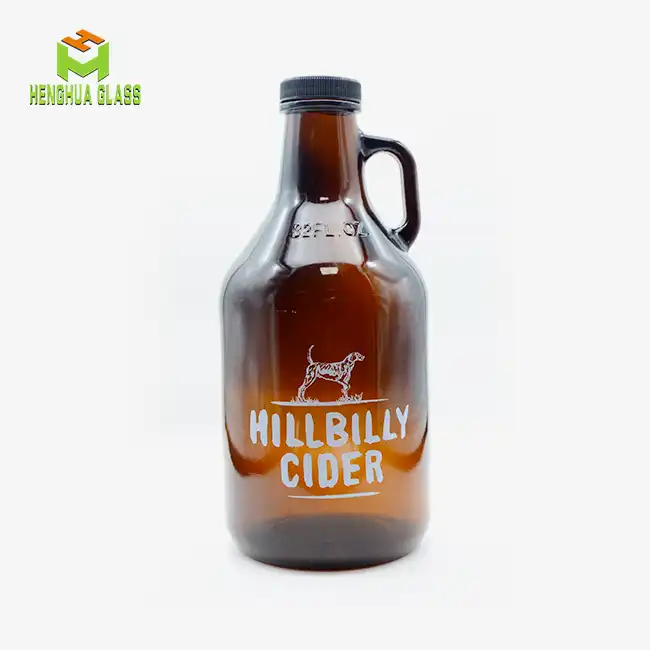
Choosing between a 32oz 64oz amber beer glass growler jug bottle format impacts more than just volume—it influences your brand's operational efficiency, customer satisfaction, and product preservation quality. The 32oz format, often called a "howler," suits individual servings and tasting events, while the 64oz classic growler serves group consumption and refill programs. Amber glass delivers critical UV protection, filtering harmful light wavelengths that degrade hop compounds and cause off-flavors, making these containers essential for craft breweries, distilleries, and beverage brands prioritizing quality and shelf life.
Understanding Amber Beer Growlers: Benefits and Key Features
Amber glass growlers are one of the most important ways for businesses to keep drinks fresh. The amber colour isn't just for looks; it blocks up to 99% of light below 450nm, which stops photo-oxidation that destroys flavours within hours of contact. This is very important when your products are being shipped or while they are on store shelves.
Material Advantages of Amber Glass
High-quality soda-lime glass is used to make premium growlers. This glass is chemically inert, which means that no flavor moves from the container to the drink inside it. Instead of losing its flavor over time like plastic options, glass keeps the original flavor profile your brewmaster meant. Henghua's amber glass bottles have thicker walls that can handle up to 50 PSI of pressure inside, so they can hold fizzy drinks without breaking. The smooth inside surface guards delicate scents and stops bacteria from sticking, making cleaning easier between refills.
Sustainability and Brand Positioning
Reusable glass growlers are in line with what people today expect when it comes to being environmentally friendly. Every year, each growler replaces hundreds of single-use containers. This lowers your carbon footprint and appeals to people who care about the environment. Customers think of high-quality products when they see glass packaging, which is a standard style that makes the brand look better. With customisation choices like screen printing, gold stamping, and inner carving, your brand can become more than just a label that you peel off. It can become an actual part of the product.
Compliance and Safety Standards
Professional-grade growlers are certified as food-safe by the FDA and LFGB. This means they can safely hold both alcoholic and non-alcoholic drinks. Quality checks using a polariscope after annealing get rid of any residual stress that could cause the material to break on its own. Ultrasonic wall thickness readings make sure that the glass is spread out evenly, especially at stress places like the shoulders and feet. When the reputation of your brand depends on thousands of units working the same way, these quality controls are important.
32 oz vs. 64 oz Amber Growlers: Size and Usage Comparison
Your choice of size should be based on your operational needs. There are differences in more than just volume calculations. There are also differences in logistics, how customers act, and profit margins.
The 32oz Howler: Portability and Flexibility
The small 32oz size fits on standard fridge shelves and in car cup holders, making it easier for customers to buy. Taprooms say that people are more likely to buy this size on the spot because it doesn't feel as committed as a full 64 oz. The lighter weight lowers the cost of shipping, which is important when moving goods between states or around the world. This size is good for craft beer fairs and tasting events because people can try a lot of different brewers without having to commit to a large amount. This style works well for high-ABV speciality releases where smaller portions save money.
Distribution data shows that 32oz 64oz amber beer glass growler jug bottle containers do very well in urban areas where homes are small and most people live alone. Restaurants use them for pours at the table, which makes the show look more expensive without the risk of waste that comes with bigger sizes. Your pricing strategy also becomes more flexible, as the lower entry point brings in customers on a budget while keeping your per-ounce margins healthy.
The 64-oz. Classic Growler: Volume and Value
The classic 64 oz. classic growler remains the workhorse for serious beer fans and social events. This style is better for refill programs from an economic point of view—customers see better value per ounce, which makes them more likely to come back to your bar. For sour beers and barrel-aged styles that benefit from longer conditioning periods, the larger format allows them to age for longer.
The normal 64-ounce size is liked by wholesale buyers because it works well with current bottling equipment that has neck finishes of 38/400 or 38/405. Even though the design of the handles makes production more difficult, they are necessary for safe transport when the weight of the whole thing is nearly five pounds. For brewpubs, this size is perfect for growler filling stations that need to get a lot of business during peak hours.
Standardizing on 64 oz makes inventory management easier because you have fewer SKUs, but offering both sizes appeals to a wider range of customers. The bigger size also gives you more space for branding, so your unique artwork stands out more on store shelves.
Material and Design Considerations: Amber Glass vs. Alternatives
Material choice affects how well a product works in many ways, and procurement managers have to find the right mix between those effects and price limits.
Comparative Material Analysis
Stainless steel growlers are more durable and insulated than glass ones, so they keep drinks cold for hours longer. But they aren't clear—customers can't see how full they are or look at the color and clarity of the beer. Because the surface is opaque, branding can only be done by printing or engraving on the outside. Stainless versions usually cost 40 to 60 percent more per unit, which can hurt businesses that make a lot of them.
Clear glass lets you see the product clearly, but it doesn't block UV rays, so it can't be used to store alcoholic drinks unless they are kept in the dark. Blue and green glass offer some safety, but amber glass is still the standard for light-sensitive liquids. Henghua's amber glass recipe strikes a good mix between UV blocking and being clear enough for customers to see how full and sediment-filled unfiltered styles are.
Closure Systems and Sealing Performance
Keeping the carbonation in and the shelf life are directly affected by the material of the cap. Metal screw caps with phenolic plates make effective hermetic seals, which are needed to keep the 2.5 to 3.0 amounts of CO2 that are normal for craft beer. Plastic caps are cheaper, but they may let gas leak slowly over time if they are stored for a long time. Wooden caps look nice for expensive placement, but you have to be careful when choosing a liner to keep them from leaking.
Customers like that swing-top closures with rubber gaskets on 32oz 64oz amber beer glass growler jug bottle containers can be resealed for multi-day use, but they add weight and make it more likely that the package will break during shipping. The standard 38mm thread finish makes sure that all of your suppliers can work with it, which protects the flexibility of your supply chain. Custom closing colours, like gold, silver, black, or white, help brands stand out without having to change the mold.
Ergonomic Features That Matter
Most purchase specs don't take into account how the placing of handles affects the user experience. When the bottles are full, side handles balance the weight better than top loops. Designs without handles lower production costs and breakage points, but customers notice that they are less convenient. The shape of the bottle affects how stable it is when it's being transported. Profiles with straight sides make pallets more dense, while designs with shoulders may look more expensive but waste space.
Procurement Insights: Buying Amber Beer Growlers in Bulk
Decisions about strategic sourcing affect your bottom line and the stability of your operations. If you work with a company like Henghua, which has been in the glass packing business for over 20 years, the quality will stay the same even when you place a lot of orders.
Supplier Selection Criteria
How well a provider can meet your growth needs depends on how much they can produce. Henghua runs ten 150-ton glass melting kilns with automatic production lines that can make up to a million units of glass every day. This scale makes sure that there is enough inventory for normal orders while keeping wait times at 30 days for custom orders. Compliance with certifications like CE, FDA, SGS, and LFGB should be checked through paperwork, not just assumed.
When you work together for a long time, you can get better prices and be given priority during busy times. Custom forms, embossing, and unique closing systems let suppliers who offer ODM and OEM services make their products stand out. When you're trying to fix fill-line problems or learn about new product categories, technical support can be very helpful.
Customization Options That Drive Brand Value
With screen printing, your name is put directly on glass surfaces, making a strong brand that can stand up to professional dishwashing cycles. Hot stamping and bronzeing add shiny details that make the product look high-end. Inner cutting creates three-dimensional effects that can be seen through the glass, and changes in transparency make unique visual marks.
For custom bottle forms, you have to spend money on moulds that make sense above a certain number, usually 50,000 units per year. You can change the colour from normal amber to clear, blue, or tints that were made just for your brand. Label and sticker applications give you the freedom to make seasonal products or test markets before you commit to printed glass.
Pricing Structures and Order Economics
At 5,000, 10,000, and 50,000 units of 32oz 64oz amber beer glass growler jug bottle, the volume tiers usually break, and prices drop by 15 to 25 percent per unit at each level. Minimum order quantities depend on how complicated the customization is. For example, stock items can ship in as few as 1,000 units, but custom moulds need bigger commitments. Payment terms affect working capital. Once a relationship is established, a supplier may offer net-30 or net-60 terms.
Transportation loss compensation policies keep your investment safe while it's being shipped across international borders. Henghua gives you free samples to check the quality of before you agree to full production. When you compare bids, you have to make sure that the specs are all the same. Things like wall thickness, quality certifications, and closing components have a big effect on the real cost per unit, not just the top price.
Maintenance and Handling: Best Practices for Amber Beer Growlers
Taking good care of a product will make it last longer and protect the customer experience. Commercial refill programs have strict rules that people who do it at home might not follow.
Professional Cleaning Protocols
At a strength of 2% to 3%, caustic cleaning solutions get rid of organic waste and biofilms effectively without hurting the glass. Surfaces are clean after 30 seconds of touch with 160–180°F hot water that rinses them. Thermal shock can cause glass to break if the temperature changes more than 40°C in just a few minutes. Drying clothes in the air on clean racks keeps them from getting water spots at the point of sale, which look sloppy.
It's important to choose the right brush. Nylon brushes clean without scratching, but steel wool scratches the inside of surfaces, making places for germs to hide. Before each refill, look at the bottles visually in good lighting, looking for chips, cracks, or cloudiness that could mean they are permanently contaminated. By tapping bottles with a metal rod, the "clink test" shows that glass that is completely solid makes a clear ring and glass that has tiny cracks makes a dull thud.
Storage and Transportation Guidelines
Stable temperatures in storage stop the thermal stress cycles that damage glass over time. Even if the glass is amber, keep it out of direct sunlight. The UV protection is great, but the heat buildup from the sun is still dangerous. Stack heights shouldn't go over what the maker says is safe, which is usually five layers for standard-weight growlers to keep lower layers from getting damaged by compression.
For shipping, each item needs to be separated using corrugated dividers or molded pulp trays. Damage rates depend on how the pallets are stacked. Offset stacking spreads weight more evenly than column stacking. International containers are subject to a lot of shaking and shock loads, so they need to be properly secured with straps and void fill to keep breaking rates below 2%.
Conclusion
In conclusion, when choosing between 32 oz and 64 oz amber beer glass growler jug bottles, you need to weigh flexibility against perceived value and make sure that the bottle size fits your distribution model and the way you expect your customers to behave. Amber glass is still the best material for light-sensitive drinks because it protects against UV light and keeps the flavours intact throughout the supply chain. When doing strategic procurement, you don't just look at the unit cost; you also look at the total system costs, which include customisation, shipping, breakage rates, and how reliable the supplier is. Working with skilled makers like Henghua, who have strict quality standards and a flexible production capacity, will help your brand grow in the long term and give your goods the premium packaging they deserve.
FAQ
Why Choose Amber Glass Over Clear Glass for Beer Storage?
99% of the UV light that breaks down hop iso-alpha acids and causes skunking in beer is blocked by amber glass. Under store lighting, clear glass doesn't protect anything, so flavors start to fade within hours. Because of this, amber is necessary for IPAs and pale beers, where the hop flavor determines the quality.
What Customization Options Are Available for Bulk Orders?
Differentiating a brand is possible with screen printing, hot pressing, inner cutting, and custom color tints. For orders of more than 10,000 units, adding a logo, designing a label, or making your own bottle shapes become cost-effective. Customising a closure lets you choose the colour of the cap and the material it's made of (wood, metal, or plastic), which all give it a unique look on the shelf.
Which Closure Type Best Maintains Carbonation?
Metal screw caps with phenolic polyseal liners keep 2.5 to 3.00 ppm of CO₂ in for weeks, making them the most reliable hermetic seal for carbonated drinks. Swing-tops with good rubber seals make it easier to reseal, but the air may slowly leak out over time. Plastic caps are fine for short-term keeping, but they shouldn't be used for long-term ageing.
How Do I Verify Bottle Quality Before Large Orders?
Ask for polariscope testing records that prove the quality of the annealing and that there is little internal stress. The hydrostatic pressure test should show that the bottle is higher than the 1.5x working pressure safety gaps. Ultrasonic testing of wall thickness makes sure that the glass is spread out evenly at stress places.
Partner With Henghua for Premium Amber Glass Growler Solutions
32oz 64oz amber beer glass growler jug bottles are the best way to package your drinks because they are made for tough commercial use. Henghua is a well-known glass bottle manufacturer with 20 years of experience. They offer the standard stability and customization options that small breweries, distilleries, and beverage brands need. Our 32oz and 64oz sizes meet the needs of a wide range of markets, and our FDA, CE, LFGB, and SGS certifications give regulators peace of mind in all international markets. Full ODM/OEM skills help you bring your ideas from the drawing board to the production line. Custom printing, embossing, and unique closes create a unique brand identity. Email our team at denny@henghuaglass.com to talk about volume pricing, free samples, and customization options that fit your business needs.
References
1. Anderson, P. & Williams, K. (2022). Glass Container Engineering for Beverage Applications. Packaging Technology Institute Press.
2. Chen, L. (2021). "UV Protection Mechanisms in Amber Glass: Spectral Analysis and Beer Preservation." Journal of Food Packaging Science, 15(3), 112-127.
3. Morrison, R. (2023). Craft Beverage Packaging: Strategic Decisions for Market Success. Brewing Industry Publications.
4. National Glass Association. (2022). Technical Standards for Food-Grade Glass Containers. NGA Technical Document Series.
5. Stevens, M. & Rodriguez, J. (2021). "Comparative Analysis of Growler Materials and Carbonation Retention." Beverage Engineering Quarterly, 28(4), 45-61.
6. Thompson, D. (2023). Sustainable Packaging Solutions in the Craft Beer Industry. Environmental Packaging Council.
Learn about our latest products and discounts through SMS or email