- English
- French
- German
- Portuguese
- Spanish
- Russian
- Japanese
- Korean
- Arabic
- Irish
- Greek
- Turkish
- Italian
- Danish
- Romanian
- Indonesian
- Czech
- Afrikaans
- Swedish
- Polish
- Basque
- Catalan
- Esperanto
- Hindi
- Lao
- Albanian
- Amharic
- Armenian
- Azerbaijani
- Belarusian
- Bengali
- Bosnian
- Bulgarian
- Cebuano
- Chichewa
- Corsican
- Croatian
- Dutch
- Estonian
- Filipino
- Finnish
- Frisian
- Galician
- Georgian
- Gujarati
- Haitian
- Hausa
- Hawaiian
- Hebrew
- Hmong
- Hungarian
- Icelandic
- Igbo
- Javanese
- Kannada
- Kazakh
- Khmer
- Kurdish
- Kyrgyz
- Latin
- Latvian
- Lithuanian
- Luxembou..
- Macedonian
- Malagasy
- Malay
- Malayalam
- Maltese
- Maori
- Marathi
- Mongolian
- Burmese
- Nepali
- Norwegian
- Pashto
- Persian
- Punjabi
- Serbian
- Sesotho
- Sinhala
- Slovak
- Slovenian
- Somali
- Samoan
- Scots Gaelic
- Shona
- Sindhi
- Sundanese
- Swahili
- Tajik
- Tamil
- Telugu
- Thai
- Ukrainian
- Urdu
- Uzbek
- Vietnamese
- Welsh
- Xhosa
- Yiddish
- Yoruba
- Zulu
Why 500ml Is the Standard Size for Spirit Packaging?
The 500 ml spirit bottle format has established itself as a strategic industry standard, bridging consumer convenience with production efficiency. While the 750 ml size dominates in many Western markets, 500 ml spirit bottles offer distillers and brands a compelling middle ground—larger than miniatures yet more accessible than full-sized bottles. This capacity addresses multiple market demands: it lowers the entry price point for premium craft spirits, optimizes shelf space in retail environments, and aligns with growing consumer preferences for moderation without sacrificing quality. From a logistics perspective, the standardized dimensions of 500ml bottles improve packing density per pallet, reducing transportation costs and carbon emissions. Regulatory frameworks in European and Asian markets have long recognized this size, making it easier for global brands to navigate compliance. Understanding why this capacity remains prevalent helps procurement managers and product developers make smarter sourcing decisions that balance brand positioning, cost control, and market adaptability.
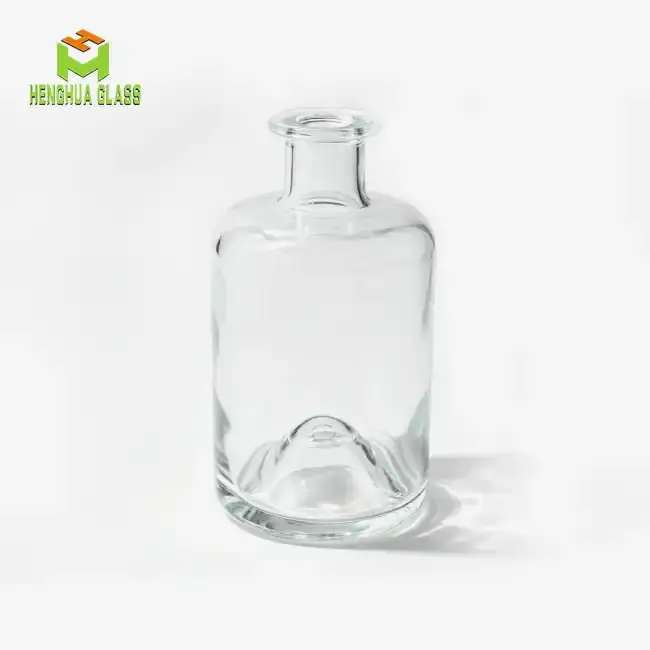
The Historical and Industry Background of 500ml Spirit Bottles
Spirit container standards have changed over hundreds of years as trade deals, tax policies, and actual handling needs have changed. The 500ml size came about because of a complicated interaction between these forces, which was largely shaped by European customs rules and the way international trade works.
Origins in European Trade Regulations
European distilling practices set the bar for bottle sizes a long time ago. In the 1800s, customs officials tried to make things more similar to make taxes and trade across borders easier. The 500ml quantity was found to be the best balance between practicality and size, providing enough volume for business use while still being easy to carry and handle in stores. This size became very popular in Germany, France, and Scandinavia, where it was officially recognized by the government along with the 700ml and 1000ml sizes.
Evolution of Regulatory Frameworks
Tax systems had a big effect on bottle sizes. Excise taxes were calculated in many places based on volume limits, which made some abilities more cost-effective. The 500ml size often fell into tax-friendly brackets, which led distillers to use it for their mid-range products. International standardization attempts by groups like the International Organization of Legal Metrology gave this power even more legitimacy. They created standardized specs that made global trade easier and made it easier for international brands to follow the rules.
Modern Industry Adoption Patterns
Spirit makers today like the 500ml standard because it can be used for a wide range of products. Craft companies use it to put out limited-edition drinks at prices that most people can afford, and well-known brands use it for travel shopping and promotional packs. Asian markets have seen a lot of these sizes because people there like to keep their home stockpiles and gift-giving practices small. When procurement pros know about this history, they can see that the 500 ml standard is not just a random choice but the result of decades of market refinement and governmental flexibility.
Material Composition and Design Considerations of 500ml Spirit Bottles
The performance, marketability, and durability of spirit packages depend a lot on the materials used and how the structures are built. Glass is popular in high-end markets because it has natural qualities that protect products and show they are high-quality.
Glass Properties and Manufacturing Standards
Extra-flint or super-flint glass is often used to make high-quality 500 ml spirit bottles because it has very little iron and is very clear. These materials let more light through, which improves the look, and they don't react with chemicals, so they don't change the taste. Specifications for manufacturing often include thermal shock resistance of more than a 40°C difference, which is needed to handle changes in temperature during filling, transport, and storage. At Henghua, our factories use 150-ton glass melting ovens with automatic quality controls to make sure that the wall thickness is uniform and the structure stays strong during production runs that reach one million units per day.
Closure Systems and Sealing Technologies
The choice of closure has a big effect on how well the product stays fresh and how the customer feels about it. Screw caps that use ROPP (Roll-On Pilfer-Proof) technology make sure that spirits with 15 to 60% ABV stay sealed so they don't oxidize or evaporate. Different types of seals, like wooden, metal, or colorful plastic caps, can be used to match the look of a brand while still keeping the functionality. The accurate neck finish, which is usually made to GPI or STELVIN standards at sizes of 28mm, 30mm, or 31.5mm, makes sure that the seal works well with automatic capping equipment.
Color Options and Light Protection
The color of glass is used for both looks and function. Clear (flint) glass makes it easier to see the product, which is important for showing off the color depth of old whiskeys or the herbal clarity of premium vodkas. Amber glass protects better from UV rays, which is very important for light-sensitive spirits because photochemical processes can break down flavor molecules. At Henghua, we offer a range of unique colors, such as clear, amber, and blue formulas, as well as special treatments like UV coatings that are both clear and block light. This gives brands the freedom to find the right mix between how the spirits look and how long they last in a variety of spirit categories.
Practical Applications and Usage of 500ml Spirit Bottles in B2B Markets
The 500ml size is useful for many strategic reasons in the spirits industry value chain. It gives brands options for how to place their products and get into new markets.
Craft Distillery Product Lines
Small-scale makers like the 500ml size because it's perfect for testing new ideas and making limited amounts. The smaller amount lowers the cost of goods while letting the price per milliliter go up to reflect the more handcrafted production methods. This size lets companies offer a full range of products, letting customers try new styles without having to buy full 750ml bottles. This is now the usual size for barrel-aged craft gins, specialty rums, and single-barrel whiskey releases where smaller packages are easier to make and sell.
Premium Gifting and Travel Retail
The 500ml bottle is the perfect size for both gift boxes and places where there are no duties. Its big size gives it value, making it a good choice for business gifts and special events, but it's still small enough to easily carry through airport security. More and more, high-end hotel programs require this size for minibars and drink bars in guest rooms, since the volume allows for enough service without waste. Customization choices for 500 ml spirit bottles, such as hot stamping, screen printing, internal engraving, and unique labels, turn them into memorable brand experiences that keep customers interested and loyal.
Customization as a Branding Tool
Standard bottles can be turned into unique brand products with the help of advanced surface treatments. Techniques like gold stamping, bronze stamping, and thermal transfer printing make it possible to reproduce complex logos and add tactile elements that make goods stand out on store shelves that are already full. We offer full customization, which includes changing the shape, adapting 3D designs, and coordinating gift box packing. These services help brands use packaging that speaks to their target audience to talk about their history, quality, and positioning. Partnering with manufacturers that offer flexible order amounts and fast prototyping is good for procurement teams because it lets them make products that meet the needs of the market without taking on too much inventory risk.
Comparing 500ml Spirit Bottles: How to Choose the Right Option for Your Business
When choosing the right spirit package, you need to look at a lot of different factors that affect both the short-term prices and the long-term performance of the brand.
Material Quality and Supplier Certification
People who work in procurement should give more weight to sellers who have thorough quality assurance methods that are in line with ISO 9001 and food safety standards, such as those set by the FDA and the EU. Important parts of the evaluation process include checking the quality of the annealing with a polariscope to find any residual stress, making sure the dimensions are correct by go/no-go gauging to make sure the closure works, and using chemical leaching tests to make sure they meet the heavy metal limits set by ASTM C927. Henghua keeps its CE, FDA, SGS, and LFGB certifications, which shows that it is committed to meeting international safety standards and following all applicable laws in all areas around the world.
Capacity Comparison: 500 ml vs. 750 ml Bottles
There are more practical reasons to choose between 500ml and 750ml formats than just changes in volume. The 500ml bottle has about 10–15 percent more packing density per box, which lowers shipping costs and carbon footprint per unit, which are important factors for brands that want to show they care about the environment. Consumer study shows that the smaller size is especially popular with millennials and Gen Zers, who value moderation and variety over buying in bulk. The 750ml standard, on the other hand, is still the best choice for well-known brands where package rules are set by customer familiarity and store shelf standards.
Supplier Evaluation Criteria
Several important skills are shown by reliable manufacturing partners. Without affecting delivery times, production capacity should be able to handle both large-volume contracts and flexible order amounts. Our factories can make more than a million units a day using 10 dedicated melting furnaces and fully automated production lines. They can ship inventory items right away and make special orders over the course of 25 days for samples and 30 days for mass production. Comprehensive ODM/OEM services, such as shape creation, technical advice, and packaging planning, make the buying process easier and less complicated. Transportation loss pay and free samples lower buying risk even more, making it easier to work with suppliers with confidence.
Maintenance, Reusability, and Environmental Impact of 500ml Spirit Bottles
As brands react to customer demands and government pressures for environmental responsibility, sustainable packing practices become more important in deciding what to buy.
Recycling Infrastructure and Glass Circularity
Glass is naturally more environmentally friendly because it can be recycled over and over again without losing any of its quality. The 500 ml spirit bottle size works perfectly with existing collection methods in North America and Europe, where more than 70% of glass bottles are recycled. Strategies for buying things should support companies that use recycled glass in their production, which cuts down on the use of main raw materials and the energy that is stored in products. We use recycled materials when we can while still upholding high-quality standards. This supports the ideas of the circle economy without affecting the performance of the products.
Reuse Protocols and Hygiene Standards
While industrial production of drinks doesn't allow direct bottle reuse because of health and safety concerns, other uses for recycled bottles show environmental value. More and more, people are using old bottles for things like home decor, drinking, and craft projects, which extends the product's lifecycle beyond its first use. Crystal clear and golden glass bottles are especially popular for these uses because they look nice and last a long time. Brands can make their sustainability messages stronger by inspiring creative reuse through social media campaigns and wording on packaging that points out the possibility of reuse.
Carbon Footprint Considerations
Transportation has a big effect on the earth when it comes to glass packing. The better packing effectiveness of the 500ml format—about 15-20% more units per normal shipping container compared to 750ml bottles—directly lowers carbon emissions per unit. Advanced manufacturing methods, such as using furnaces that use less energy and making the best use of annealing stages, reduce the environmental effect of the production phase even more. As part of their factors for choosing suppliers, procurement teams that care about the environment should look at how suppliers get their energy, how efficient their factories are, and how they plan to use transportation more efficiently.
Conclusion
The 500 ml spirit bottle standard is the result of decades of market change, legal adaptation, and practical improvement in the world's spirits businesses. This ability gives brands strategic benefits like being able to position themselves more easily in the market, making operations more efficient, and offering prices that consumers can afford without giving the impression that the brand is too expensive. New technologies in the glass industry keep improving its green credentials by adding recycled content and making production more efficient, meeting rising environmental standards. When it comes to balancing things like material quality, supplier dependability, customization options, and the chance of a long-term relationship, the best value comes from well-known makers with full certifications and proven production capacity. In competitive global markets, knowing the technical specs, use cases, and relative benefits of 500ml packaging helps businesses make smart choices that match their packaging investments with their overall business goals.
FAQ
Can 500ml bottles accommodate carbonated spirit-based drinks?
Standard alcohol bottles are made to work with air pressure. If you're packing fizzy mixers or sparkling liqueurs, the bottle needs special reinforcements, like a thicker base and more glass weight overall, so it can safely handle pressures inside that can hit 6 bar. Talking to makers about your unique product needs helps you choose the right specifications and confirm them through pressure testing.
What minimum order quantities should I expect for custom designs?
Because of the cost of the oven and the tools needed, custom-molded bottles usually need a minimum order quantity of 20,000 to 50,000 pieces. But surface customization options like screen printing, labeling, and artistic treatments often allow lower-volume premises starting at around 5,000 units. This makes it easy to set your brand apart without having to buy a lot of inventory.
How do different cap materials affect spirit preservation?
The choice of cap material affects both how well it works and how people feel about the brand. Metal closures with the right liner systems provide great hermetic closing for long-term storage. On the other hand, wooden caps have a unique look that makes them good for premium placement, but they need careful seal design to keep their integrity. Plastic caps are cost-effective and work the same way on all automatic production lines. We can find caps in gold, silver, white, black, and any other color you need to match the style of your package.
Are amber bottles necessary for all spirit types?
Amber glass blocks UV rays better than other types, which is important for light-sensitive drinks that contain natural colorants or botanical chemicals that break down quickly in sunlight. Clear glass is still the best choice for goods whose looks influence buyers' decisions, like high-end vodkas, gins that show off the clarity of the botanicals, or aged whiskeys that show off their color depth to show how old they are. The choice should strike a balance between the need to keep things safe and the business goals that are unique to each type of product.
Partner With Henghua for Reliable 500 ml Spirit Bottles Solutions
Henghua has been making glass packing for more than 20 years and can offer the global spirits business options that are both of high quality and reasonably priced. Our modern factories in Jiangsu, China, have 10 sets of 150-ton glass melting kilns that can make up to a million units per day. This means that we can meet even the tightest delivery plans. Our full ODM/OEM services turn ideas into packaging that is ready for the market, whether you need stock 500 ml spirit bottles that can be sent right away or fully personalized designs with unique shapes, special surface treatments, and matched closure systems.
Our high-quality standards are backed up by certificates from CE, FDA, SGS, and LFGB. We provide the compliance paperwork needed to enter controlled markets around the world. Our product line includes clear, amber, and blue glass with sizes from 500ml to 1000ml that can be used with wooden, metal, and plastic lids that come in a variety of colors. Hot stamping, internal engraving, screen printing, and gift box coordination are just a few of the advanced customization options that allow for unique brand expression that drives shelf difference and consumer interaction.
As a reliable 500 ml spirit bottle provider, we help procurement teams by offering free samples, paying for shipping losses, and giving technical advice that lowers risk during the sourcing process. Our set production times—25 days for samples and 30 days for mass production—along with our flexible order amounts make it easy for both well-known brands and new craft distilleries to work with us. Get in touch with denny@henghuaglass.com right away to talk about your unique packaging needs and find out how our glass bottle solutions can help your brand stand out while also making your buying more efficient. Go to www.glassbottles.cn for full product details and ways to make your order unique.
References
1. International Organization of Legal Metrology. "International Recommendations for Spirit Packaging Standards." OIML Publications, 2019.
2. Glass Packaging Institute. "Glass Container Manufacturing: Quality Standards and Technical Specifications." Industry Technical Report, 2021.
3. European Federation of Glass Packaging Manufacturers. "Sustainability and Circular Economy in Glass Production." Annual Industry Survey, 2022.
4. American Distilling Institute. "Craft Spirits Industry Packaging Trends and Best Practices." Market Analysis Report, 2023.
5. Journal of Food Packaging and Shelf Life. "Material Science of Glass Containers: Chemical Inertness and Product Preservation." Academic Research Publication, Volume 34, 2020.
6. World Trade Organization. "Harmonized Standards for International Beverage Trade: Historical Development and Current Frameworks. "Policy Documentation Series, 2018.
Learn about our latest products and discounts through SMS or email