- English
- French
- German
- Portuguese
- Spanish
- Russian
- Japanese
- Korean
- Arabic
- Irish
- Greek
- Turkish
- Italian
- Danish
- Romanian
- Indonesian
- Czech
- Afrikaans
- Swedish
- Polish
- Basque
- Catalan
- Esperanto
- Hindi
- Lao
- Albanian
- Amharic
- Armenian
- Azerbaijani
- Belarusian
- Bengali
- Bosnian
- Bulgarian
- Cebuano
- Chichewa
- Corsican
- Croatian
- Dutch
- Estonian
- Filipino
- Finnish
- Frisian
- Galician
- Georgian
- Gujarati
- Haitian
- Hausa
- Hawaiian
- Hebrew
- Hmong
- Hungarian
- Icelandic
- Igbo
- Javanese
- Kannada
- Kazakh
- Khmer
- Kurdish
- Kyrgyz
- Latin
- Latvian
- Lithuanian
- Luxembou..
- Macedonian
- Malagasy
- Malay
- Malayalam
- Maltese
- Maori
- Marathi
- Mongolian
- Burmese
- Nepali
- Norwegian
- Pashto
- Persian
- Punjabi
- Serbian
- Sesotho
- Sinhala
- Slovak
- Slovenian
- Somali
- Samoan
- Scots Gaelic
- Shona
- Sindhi
- Sundanese
- Swahili
- Tajik
- Tamil
- Telugu
- Thai
- Ukrainian
- Urdu
- Uzbek
- Vietnamese
- Welsh
- Xhosa
- Yiddish
- Yoruba
- Zulu
How to store wine in glass tube bottles?
To preserve the quality and flavor of wine in glass tube wine bottles, you must be very particular about how you prepare, store, and seal them. The Glass Tube Wine Bottle is cylindrical in shape and is highly clear, which, when used pproperly,offers great storage benefits. It is vital to properly examine and clean the container before filling. Afterwards, it is vital to maintain the temperature between 12°C and 16°C and the humidity in check. A good closure mechanism, like premium corks or screw caps with oxygen-barrier liners, helps minimize oxidation. Keep the seal wet with cork closures and lay the bottles flat. Also, the contents being kept out of direct sunlight preserves the aromas from fading and the organoleptic profile of the wine while being preserved.
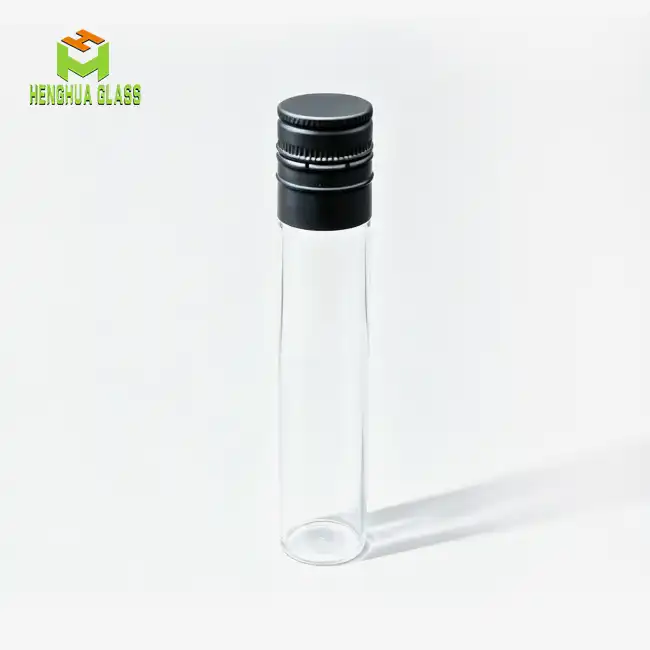
Glass Tube Wine Bottles: Features and Benefits
Glass tube wine bottles are a popular choice for packaging products, as they are attractive and operate well. They are built from good-quality glass tubing, not molded bottles in the typical way, and are cylindrical containers. This way the walls are all the same thickness and the containers are quite clear, so you can see what the hue of the wine is like.
Superior Material Composition and Clarity
These bottles are manufactured from high-quality borosilicate or soda-lime glass. Each variety of glass offers different benefits to keep wine fresh. The crystal clear glass adds a premium touch to the bottle that enhances the brand’s image. The thicker body of the bottle makes it more durable when shipping and handled. I know that, from working with procurement managers, this kind of clarity is extremely crucial in high-end wine subscription services and high-end hospitality situations where the presentation of something directly impacts how clients perceive it.
Advanced Sealing Technology
One of the great things about tube-shaped bottles is that they shut up really well. The neck finishes are meticulously constructed to accept many various closures, including screw caps with saran or tin liners, wooden caps, metal closures, and conventional corks. The smooth inside wall prevents the smell from escaping by keeping the chemicals from interacting in unwanted ways, and the fine craftsmanship prevents the formation of bubbles that could undermine the construction. These bottles come in several sizes, such as 100 ml, 200 ml, 500 ml, 750 ml, and regular 16 oz or 18 oz sizes. You may easily change it if you want a different size.
Space Efficiency and Environmental Advantages
Their simple round shape takes up less room when stored than other bottle designs, which means they are great for optimizing warehouses. The key selling point for those that care about the environment is that they can be recycled again and again. The glass material is ideal for the circular economy, which is gaining in importance in the beverage industry in terms of buying products. It’s also less material in the packing format with no loss of protection, which is excellent for the environment and saves money for those who buy a lot of it.
Step-by-Step Guide to Properly Store Wine in Glass Tube Bottles
To store wine properly in glass tube wine bottles, the environment must be carefully controlled and carefully prepared so that the purity of the product is maintained from filling to distribution.
Preparation and Quality Inspection
Before you fill any bottle, you have to clean it very well. Automated inspection systems should check the accuracy of the measurements, especially the neck finish dimensions that make sure the seal is airtight. According to the quality assurance managers I've talked to, polarized light stress testing gets rid of any remaining internal stress that could cause the material to break on its own while it's being stored or transported. Finding flaws like microcracks or rough surfaces helps keep the product from getting contaminated and possibly lost.
Optimal Storage Conditions
Keeping an eye on the temperature is the most important part of storing wine correctly. Keeping the temperature stable between 12°C and 16°C stops food from going bad too quickly and changes the flavor. For closures to stay properly sealed, the humidity level should be between 60 and 70%. This is especially important when using cork stoppers. It's also important to keep bottles out of direct sunlight and UV rays, since light can break down delicate flavor compounds. Amber-colored bottles protect light-sensitive varieties even more, while clear and blue bottles show off the look of the product for marketing purposes.
Positioning and Closure Selection
When you store wine horizontally, the cork seals stay in contact with the wine, which keeps them from drying out and lets oxygen in. Screw cap closures give you more options because they let you store things vertically without affecting the integrity of the seal. Which closure you choose will depend on how long you want the food to last and what your target market likes. Wooden caps give goods a high-end, hand-made look, metal closures in gold or silver styles show that the product is a luxury item, and plastic choices are more affordable for mid-range items. When procurement experts know about these factors, they can make sure that choices about packaging are in line with brand strategy and inventory management goals.
Comparing Glass Tube Wine Bottles with Traditional and Plastic Bottles
To make smart buying choices, you need to know how glass tube wine bottles compare to other types of packaging in a number of different performance areas.
Design and Aesthetic Differentiation
Shoulder curves and punt designs have been popular on wine bottles for hundreds of years. Tube bottles, on the other hand, are sleek and modern, and they stand out on store shelves. This modern look is especially appealing to younger people and premium subscription services that want to stand out. Even though plastic bottles are light and won't break easily, they don't give off the same high-end vibe that glass does. From talking to brand managers, I've learned that the choice of packaging has a direct effect on how valuable the product is seen to be and how engaged the target customer is.
Durability and Chemical Stability
Glass tube bottles made from borosilicate or high-quality soda-lime glass are better at resisting hydrolysis, which stops chemicals from moving and changing the way the wine tastes. This is also an advantage of regular glass bottles, though the wall thickness may not be the same on all of them depending on how precisely they were made. Even though barrier technology in plastic cases has improved, glass still does a better job of keeping wine fresh for longer amounts of time and stopping oxygen from getting in. Quality tube bottles have a thicker bottle body that makes them very strong against vertical loads during the capping process. This makes it less likely that the bottles will break during automatic filling operations.
Cost Analysis and Effects on the Environment
At first glance, glass tube bottles may be more expensive than plastic options, but when you add up all the costs, you find a different story. Glass bottles keep the integrity of the product better, so there is less waste and return. Their ability to be recycled creates circular value that fits with companies' promises to be more environmentally friendly, which are being pushed for by both customers and government agencies. These environmental benefits are the same for both traditional bottles and tubes. However, the space-saving design of tube bottles can lower shipping costs by allowing for better box arrangements. When sourcing decisions are made, procurement directors should look at these lifecycle factors in addition to simple per-unit pricing when evaluating supplier relationships.
Procurement Strategies for Glass Tube Wine Bottles in Bulk
To meet both short-term and long-term business goals, strategic sourcing of glass tube wine bottles needs to find a balance between quality control, the ability to customize, and the efficiency of logistics.
Identifying Reliable Manufacturers
Checking important qualifications, such as ISO quality management systems, FDA compliance for food contact materials, and SGS testing documents, is the first step in evaluating prospective sources. Manufacturers with more than 20 years of experience usually have production systems that are mature and can keep quality consistent across large orders. Production capacity signs, like the number of furnaces and daily output rates, show how well a provider can meet your demand cycles without any delays. Facilities with more than one 150-ton glass melting furnace and fully automatic production lines can make more than one million units per furnace every day, which protects the supply chain for buyers who buy in bulk.
Customization Capabilities and Brand Enhancement
A big competitive edge comes from being able to make unique packaging that supports brand identity. Full ODM and OEM services should offer a range of shape design options, the ability to customize in 3D, and a number of surface treatment choices, such as screen printing, gold stamping, bronzing, thermal transfer printing, internal engraving, and spray painting. You can change colors other than amber, clear, and blue, which lets you match brand colors perfectly. Putting the logo on things in a consistent way can be done with stickers, labels, and direct printing, among other things. Matching caps come in a range of materials and finishes, including wood, metal, plastic, and more. This means that full packaging solutions can be found without having to coordinate with multiple sources.
Logistics Optimization and Risk Management
To keep product damage to a minimum during shipping, it's important to pay attention to the wrapping instructions and choose the right service. Reliable suppliers offer custom packaging options based on the needs of the destination and the way the goods will be transported. Transportation loss compensation services give buyers more peace of mind when making purchases, protecting them from the financial effects of dealing with accidents. Managing lead time is just as important. Structured timelines usually include 25 days for approval of samples and 30 days for mass production runs. When suppliers keep standard specifications in stock, they can ship right away to meet urgent needs. Custom orders, on the other hand, are delivered on set schedules that make planning production and managing inventory easier.
Sustainability and Recycling of Glass Tube Wine Bottles
Environmental duty used to just be a marketing factor, but now it's a basic buying factor that affects how suppliers are chosen and how brands are positioned in relation to Glass Tube Wine Bottles.
Circular Economy Integration
Glass packaging follows the rules of the circle economy because it can be recycled over and over again without losing any of its quality. Plastics lose some of their usefulness after being recycled, but glass keeps its chemical and structural traits forever. Because of this, tube bottles can be collected, cleaned, crushed, and remelted into new containers without making waste. When looking at the full lifecycle, from getting the raw materials to getting rid of them at the end of their useful life, the environmental profile comparison between glass and other materials always favors glass.
Industrial Recycling Implementation
For business-to-business recycling programs to work, bottlers, distributors, and recycling facilities need to work together. Collection systems sort glass by color to keep the purity of the material while it is being processed again. The most money can be made from recycled glass if it is properly sorted to keep it from getting contaminated. From working with beverage companies, I know that incorporating recycling logistics into reverse supply chain operations is good for the environment and could even help recover costs through material reclamation.
Market Differentiation Through Green Procurement
Packaging choices that show pledges to sustainability are well received by eco-friendly customers and business clients with responsible sourcing policies. Environmental measures, like the amount of recycled material and the calculation of a brand's carbon footprint, should be made clear. Companies that buy from suppliers with proven environmental management systems are more likely to meet their sustainability goals and may be able to reach higher-end customers willing to pay more for proven environmental performance. As green buying becomes more popular, sustainability goes from being a nice-to-have to a must-have in all parts of the beverage business.
Conclusion
When you store wine in glass tube wine bottles the right way, you protect your investment in high-quality goods and keep the quality your customers expect. Understanding the unique features of tube-style containers, such as their better clarity and sealing performance and their environmental benefits, helps procurement professionals make choices that are in line with brand image and practical needs. Using the right preparation methods, keeping storage conditions at their best, and choosing the right closure systems are all ways to make sure that wine stays pure throughout the distribution chain. The strategic benefits of these bottles go beyond their basic usefulness. They also save room, are eco-friendly, and can be customized in ways that strengthen brand identity. As the beverage industry moves toward more creative packaging that balances performance with environmental responsibility, tube-style bottles are a forward-thinking way for businesses to stand out in crowded markets.
FAQ
How long can wine be stored in glass tube bottles?
If you store wine in properly sealed glass tube wine bottles in the right conditions, it can stay good for several years. The exact shelf life depends on the type of wine, the closure system, and the storage environment. Red wines tend to age better than white wines, and screw caps that block oxygen offer better protection than traditional cork closures. Stable temperatures and protection from light have a big effect on longevity, which is why controlled storage environments are so important for long-term preservation.
What cleaning methods ensure hygiene before reusing these bottles?
Hot alkaline solutions and thorough rinsing in commercial-grade bottle washing systems get rid of organic residues and possible contaminants. Vision systems are used for automated inspection to find any remaining particles or surface flaws. For smaller businesses, cleaning by hand with special bottle brushes and food-safe cleaners and then letting the items dry in the air stops bacteria from growing and meets hygiene standards.
Can I customize these bottles with my brand logo?
There are many ways to customize this item, such as screen printing, hot pressing, interior cutting, gold stamping, and label application. Different decoration methods have different minimum order amounts. For example, digital printing has lower minimums for test marketing, while traditional methods become more cost-effective at bigger levels. When you work directly with manufacturers, you can get design help that turns brand guidelines into effective bottle decoration.
Partner with Henghua for Premium Glass Tube Wine Bottle Solutions
At Henghua, we know that the choices you make about packaging have a direct effect on how people see your brand and how well your business runs. As a well-known glass tube wine bottle maker in Jiangsu, China, with more than 20 years of experience making high-quality products, we offer the quality consistency and customization options that B2B buyers need. Our production capacity includes 10 sets of 150-ton glass melting furnaces that can each make one million units per day. This means we can reliably meet your volume needs. We offer full certification, including compliance with CE, FDA, SGS, and LFGB standards. We also offer free samples and transportation loss compensation, which removes the risk of buying from us. Our ODM and OEM services can turn your packing ideas into real products that are ready for the market, whether you need standard sizes ranging from 100 ml to 750 ml or completely unique designs with different colors, finishes, and close systems. Email us at denny@henghuaglass.com to talk about how our experience as a glass tube wine bottle provider can help you improve your brand's appearance and strengthen your supply chain.
References
1. Anderson, K. & Aryal, N. (2021). Wine Packaging Innovation and Consumer Preferences in Global Markets. Wine Economics Research Centre, University of Adelaide.
2. Bottles, R.M. (2020). Glass Container Engineering: Technical Standards and Quality Assurance in Beverage Packaging. Society of Glass Technology Publications.
3. Environmental Protection Agency. (2022). Sustainable Packaging Materials: Lifecycle Assessment of Glass versus Alternative Containers. EPA Office of Resource Conservation and Recovery.
4. International Organization for Standardization. (2019). ISO 12775: Glass Containers – Hydrolytic Resistance of Interior Surfaces. ISO Technical Committee 63.
5. Paine, F.A. & Paine, H.Y. (2018). A Handbook of Food Packaging: Materials, Applications, and Quality Control in the Modern Supply Chain. Springer International Publishing.
6. Thompson, M.J. (2023). Strategic Procurement in the Beverage Industry: Packaging Selection and Supplier Relationship Management. Journal of Supply Chain Management Research, Volume 18, Issue 3.
Learn about our latest products and discounts through SMS or email