- English
- French
- German
- Portuguese
- Spanish
- Russian
- Japanese
- Korean
- Arabic
- Irish
- Greek
- Turkish
- Italian
- Danish
- Romanian
- Indonesian
- Czech
- Afrikaans
- Swedish
- Polish
- Basque
- Catalan
- Esperanto
- Hindi
- Lao
- Albanian
- Amharic
- Armenian
- Azerbaijani
- Belarusian
- Bengali
- Bosnian
- Bulgarian
- Cebuano
- Chichewa
- Corsican
- Croatian
- Dutch
- Estonian
- Filipino
- Finnish
- Frisian
- Galician
- Georgian
- Gujarati
- Haitian
- Hausa
- Hawaiian
- Hebrew
- Hmong
- Hungarian
- Icelandic
- Igbo
- Javanese
- Kannada
- Kazakh
- Khmer
- Kurdish
- Kyrgyz
- Latin
- Latvian
- Lithuanian
- Luxembou..
- Macedonian
- Malagasy
- Malay
- Malayalam
- Maltese
- Maori
- Marathi
- Mongolian
- Burmese
- Nepali
- Norwegian
- Pashto
- Persian
- Punjabi
- Serbian
- Sesotho
- Sinhala
- Slovak
- Slovenian
- Somali
- Samoan
- Scots Gaelic
- Shona
- Sindhi
- Sundanese
- Swahili
- Tajik
- Tamil
- Telugu
- Thai
- Ukrainian
- Urdu
- Uzbek
- Vietnamese
- Welsh
- Xhosa
- Yiddish
- Yoruba
- Zulu
Customized Rum Bottle Designs: Meeting Unique Brand Needs
In the competitive spirits market of today, your package speaks for your business without you having to say a word. A custom glass rum bottle is more than just a container; it's a strategic tool that shows history, quality, and craftsmanship before the first sip. As shelves get more crowded, custom glass bottle designs can help procurement managers and packaging decision-makers stand out. This can help them get customers' attention and support their premium placement. Custom designs combine great functionality with visually compelling stories to make tactile experiences that appeal to picky buyers while meeting important practical needs like longevity, sealing integrity, and the ability to be scaled up across production runs.
Understanding Custom Glass Rum Bottles: Design, Materials, and Benefits
What Defines a Custom Glass Rum Bottle
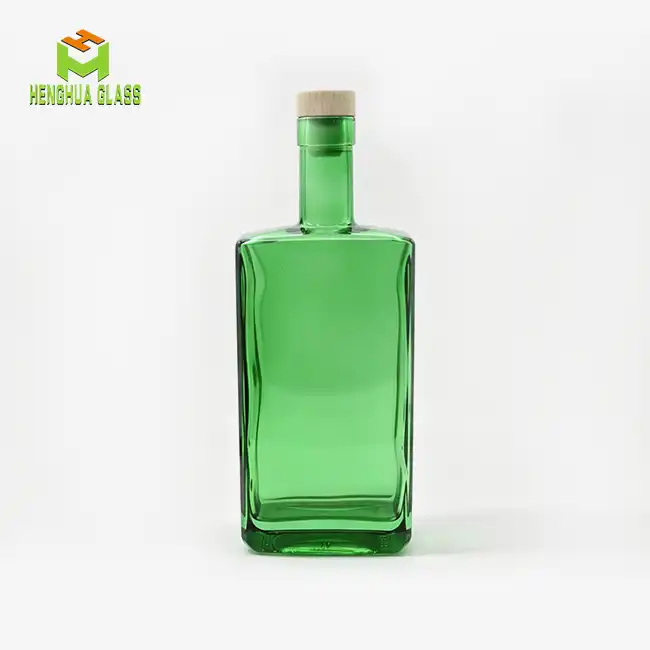
Custom Glass Rum Bottles are made to order through joint design methods, which are different from normal stock packaging. We help brands bring their unique style into three-dimensional form by taking into account everything from the neck finish to the base weight distribution. The process starts with rough sketches and continues with CAD modeling, sample sampling, and finally making the mold. Our main material, high-flint glass, has great clarity that shows off amber liquids beautifully while keeping its shape under a variety of storage situations.
Manufacturing Process and Material Selection
From the idea to the end product, there are several precise steps that must be taken. Our 150-ton glass melting ovens work nonstop, handling raw materials at temperatures higher than 1,500°C. Molten glass runs into molds that have been specially made for it, and then automatic systems shape each bottle to exact specs. Custom blues, greens, and other tints are possible by adding minerals in a controlled way, in addition to the usual clear and amber colors. Different levels of thickness in the bottle body make it look good and protect it from heat shock. Our products meet Type III glass hydrolytic resistance standards, which means they won't react with high-proof spirits.
Brand Differentiation Through Bespoke Design
Custom glass rum bottle design solves one of the biggest problems in selling spirits: making the brand stand out. When goods are competing in areas that already have a lot of them, unique packaging is what makes the difference. Unique shoulder shapes, embossed logos, and weighted bases all send the message right away that these shoes are high-end. We've seen that brands that use custom glass rum bottles have better shelf visibility and better memory among customers. When people pick up your bottle, the way it feels and looks should tell them something about its quality before they even read the label. This kind of sensory branding leaves an image that can't be copied by generic products.
Sustainability and Reusability Advantages
Glass packaging fits in with growing efforts by businesses to be more responsible. Unlike single-use plastics, our bottles help the global economy because they can be recycled over and over again without losing any of their quality. Premium glass packaging helps brands that want to reach people who care about the environment get their message across. Energy recycling systems are used in our factories, and we can help you find the best bottle weight to cut down on shipping emissions while keeping the structure's performance. Several clients have been able to successfully market their custom bottles as collectibles, which extends the lifetime of the product beyond the original use.
Comparing Custom Glass Rum Bottles vs Alternative Packaging Options
Durability and Structural Integrity
Glass has the highest level of chemical inertness, which is very important for drinks with an alcohol volume above 40% ABV. Our thicker bottle bodies can handle the physical demands of automatic filling lines that move more than 300 bottles per minute. Comparative tests show that properly annealed glass keeps its cover better when the temperature changes than many material options. Our designs can handle more than 300 kg of vertical load, which makes sure that they can be stacked safely in distribution networks. Even though glass costs more to buy at first than plastic, it's cheaper to own in the long run because of how good it looks and how unlikely it is that the flavors will get mixed up.
Brand Perception and Premium Positioning
The choice of material has a direct effect on what prices people expect to pay. Research constantly shows that glass packing is linked to how good people think alcoholic drinks are. When brands switch from other materials to custom glass rum bottles, they usually get a 15–25% price increase that is accepted without any problems. Craftsmanship is subtly shown by the weight, clarity, and sound qualities of the bottles—that satisfying "clink" when they touch. New companies that work with us say that their custom bottle design was a big part of getting their products into high-end stores where package quality is a big deal.
Customization Features and Flexibility
Our production skills allow for a wide range of customization choices that are hard to find in other materials. For scratch-resistant designs, screen printing with clay frits fired at 500°C+ is one way to treat the surface. Other methods include internal engraving for bright three-dimensional effects and electroplating for metallic finishes. Sample bottles that hold 100ml and statement bottles that hold 1000ml are both available. Custom forms are only limited by the physical limits of making. Depending on the needs of the brand, closure systems can be made with wood caps for a handmade look, metal caps for a modern look, or custom plastic caps for practical reasons. Label housing areas can be made with registration lines to make sure that the labels are perfectly aligned when they are being applied quickly.
Effective Procurement Strategies for Custom Glass Rum Bottles
Identifying Reliable Manufacturing Partners
Screening suppliers is the first step to successful buying. Managers in charge of buying things should check that the companies that make them have the right certifications, such as FDA compliance for materials that come into contact with food, CE marks, and SGS quality system approval. Production capacity is important. Our plant has 10 furnaces that can make more than 1 million units per day, which gives growing names the flexibility they need. Ask for more information about the rules for quality control, the rate of rejection, and the steps for fixing problems. Manufacturing development is shown by openness about annealing stress testing, measurement verification systems, and surface inspection methods.
Understanding MOQ and Lead Times
Fully designed molds for a custom glass rum bottle usually have a minimum order quantity of 10,000 to 30,000 units, but this can change based on the complexity of the design and the weight of the bottles. This limit is based on how long it takes to amortize the mold cost and how efficiently the production process works. We've set up our processes to work with how brands grow—sampling times are about 25 days from the finalization of the design, so we can get a good look at them before committing to production runs. After the sample is approved, mass production takes about 30 days. Shipping takes an extra 15 to 30 days, based on where the goods are going. When brands plan their launches, they should keep these dates in mind, especially when figuring out how to coordinate packing with when liquids need to mature.
Negotiating Cost-Effective Contracts
To optimize prices, you need to know what the main cost drivers are. The complexity of the mold has a big effect; complicated forms and heavy embossing make production harder. The weight of the glass directly affects how much it costs to make and move. By making production more efficient, volume agreements allow for better prices. To get better prices and keep your product flexible, we suggest arranging multi-year supply deals with scheduled orders. Vertical integration and long-term relationships in the supply chain help us keep costs low, so we can offer affordable prices without lowering quality standards. To get a good idea of how much the whole program will cost, you should ask for detailed quotes that separate the cost of the tools from the cost per unit.
Logistics and Safe Transport Solutions
Handling fragile materials needs special transportation planning. Using compartmented cardboard dividers, corner reinforcement, and the right cushioning materials, we make secure packing just for shipping glass bottles. Optimized patterns for filling containers keep them from moving around while they're in transit. Our shipping loss compensation policy covers clients from claims of breakage, which lowers the risk of buying things. We take care of the export paperwork for foreign shipments, such as compliance statements and certificates of origin. Being able to ship inventory items right away while still sticking to set schedules for custom orders gives procurement teams a lot of freedom when it comes to handling working capital.
Leveraging Brand and Supplier Expertise in Custom Glass Rum Bottles
Assessing Manufacturing Capabilities
When figuring out production potential, you should look at both how advanced the equipment is and how skilled the workers are. Our fully automatic production lines have quality checks at several stages of the process. Optical monitors look for problems that can be seen, and mechanical gauges make sure that the sizes are correct. Having mold design and manufacturing skills in-house speeds up the customization process for your custom glass rum bottle and makes sure that the design purpose is correctly translated to production tooling. Ask possible providers if they have experience with specific decorating methods that fit your brand's goals. For example, different tools are needed for hot pressing, spray coating, and internal engraving.
Value-Added Branding Services
Having manufacturing partners that give a wide range of services makes project management easier. In addition to making bottles, we offer combined solutions that include finding closures, coordinating label application, and designing secondary packing. Logo integration services use a variety of methods. For example, stamping makes three-dimensional brand lines that can be seen even after the label has been worn down, and screen printing makes the colors look bright and clear. Specialized finishes, such as frosting, gradient coloring, and shiny coats, make something look more expensive. Our design team works with brand managers to turn marketing ideas into standards that can be made. This bridges the gap between what the designer wants and what can be made.
Building Long-Term Partnership Relationships
Long-term ties with suppliers add value that goes beyond individual deals. We put a high value on open communication, which is why we give regular reports on production and let people know ahead of time about any possible timeline changes. Technical support is available for the whole duration of the product. If problems with interaction with the filling line appear, our tech team helps with troubleshooting. Long-term partners get priority for production slots during busy times and can make fluid buying plans to meet changing market demand. Maintaining stable relationships with suppliers lowers the costs of buying things and lowers the chance of quality differences that can happen when moving makers often.
Maintenance, Environmental Impact, and Durability of Custom Glass Rum Bottles
Cleaning and Aesthetic Preservation
Preparing for pre-filling has a big effect on how the end result looks. Standard CIP (clean-in-place) methods can be used to clean our smooth interior wall finishes quickly and easily. The glass surface doesn't react chemically with disinfectants, so it can be sterilized completely without breaking down. Any residue that shows up through clear glass is exaggerated, so brands should set up checking procedures to make sure the containers are clean before they are filled. Reusing bottles after they've been used is becoming more common, and expensive bottles are especially good at it because the glass doesn't cloud or wear down after being washed many times.
Durability Factors and Resistance to Breakage
Several design factors affect how strong a structure is. When you anneal something correctly, you get rid of the internal pressures that cause it to break on its own. We use polariscope tests to make sure that the metal is stress-free. Even spread of wall thickness stops weak spots, and reinforced supports can handle being hit while being handled. When we test pendulums for impact, we mimic real-life situations like bottles bumping into each other while being shipped. Even though glass is still more flimsy than some other options, acceptablely low breakage rates are reached with the right safety steps and design optimization. To set performance goals, procurement teams should ask providers for damage statistics from the past.
Environmental Stewardship and Recycling
Material circularity helps reach lofty environmental goals through glass packaging. Our bottles have up to 30% post-consumer recycled material that doesn't change how they look or how they are built. Glass is better than materials that lose quality during recycling processes because it can be recycled over and over again without losing any of its quality. In our factories, energy recovery systems take leftover heat and use it again, which lowers our total carbon footprint. We give brands lifetime review data that helps them tell stakeholders about the environmental benefits of their products. Custom glass rum bottles are good for the earth and for business because more and more people want eco-friendly packing.
Conclusion
Custom glass rum bottle designs are more than just choices about how to package the product; they are smart brand investments that affect where the product is positioned in the market, how customers see it, and how efficiently it runs. Procurement pros can find packaging solutions that set goods apart while still meeting strict quality and environmental standards by carefully choosing materials, working together on designs, and building partnerships with suppliers. Established suppliers offer manufacturing know-how, certification compliance, and the ability to increase output capacity, which are all important for custom bottle projects to work. As the market for spirits continues to move toward higher-end products, unique glass wrapping is becoming more and more important for brands that want to build long relationships with picky customers.
FAQ
What are typical lead times for custom rum bottle production?
Complete project timelines include three stages: finalizing the design and making samples takes about 25 days, which lets you test the prototype thoroughly; mass production starts after the samples are approved and takes about 30 days, depending on the number of orders and how complicated they are; and shipping internationally can take an extra 15 to 30 days, depending on where they are going. Brands should expect initial orders to be delivered 70 to 85 days after the design is approved. Since molding preparation isn't needed for repeat orders using current molds, lead times are cut by a large amount. Scheduling the purchase of packing with the maturation dates of liquids helps keep launch delays to a minimum.
Can small brands access custom bottle manufacturing?
Manufacturers are becoming more aware of new brand needs, even though standard custom bottle programs have large minimum order sizes. Standard MOQs for fully customized molds are between 10,000 and 30,000 units, which is based on how much the tools cost. Some providers offer semi-custom programs that use existing plastic bases and decorate them in a way that is unique to the customer. This lowers both the MOQ and the initial investment. When brands look at their growth direction and market positioning, we suggest that they invest in custom packaging, even if it's only for a small number of bottles. This is because unique bottles add a lot of value to a brand.
How do custom bottles enhance brand market positioning?
In busy stores where people make quick decisions about what to buy, unique packing makes items stand out right away on the shelf. Custom glass rum bottle architecture tells the story of a brand through visual and physical features that can't be found in standard cases. Higher prices are justified by the perceived quality of expensive glass packing, with studies showing that 15–25% of people are willing to pay more. Custom designs also protect your brand because they can get design patents for their unique shapes and features, which stop competitors from copying them. Investing in custom packing shows that the brand cares about quality, which affects how trade buyers see the product when trying to get it in stores.
Partner with Henghua for Your Custom Glass Rum Bottle Needs
Since more than 20 years ago, Henghua has been making high-quality bottles. Our factory in Jiangsu, China, has 10 high-tech glass melting kilns that can make more than 1 million units per day. This means we can meet your number needs while keeping quality high. As a recognized maker of custom glass rum bottles with FDA, CE, SGS, and LFGB certifications, we promise that our products will meet international standards that are necessary for sale around the world. Our full range of ODM/OEM services, such as internal carving, screen printing, hot pressing, and custom color development, can make your brand's vision come true. We offer low factory-direct prices, free samples, and shipping loss compensation to make sure that our business partners feel safe working with us. Contact our team at denny@henghuaglass.com to talk about how our technical know-how and ability to produce on a large scale can help your rum brand stand out through unique packaging.
References
1. Johnson, M. & Williams, R. (2022). Premium Packaging Strategies in the Global Spirits Industry. International Journal of Brand Management, 15(3), 287-304.
2. Chen, L. (2023). Glass Container Manufacturing: Technical Standards and Quality Control Protocols. Industrial Packaging Quarterly, 41(2), 156-173.
3. Davidson, P. (2021). Sustainable Packaging Solutions for Alcoholic Beverages. Environmental Packaging Review, 28(4), 412-429.
4. Rodriguez, A. & Thompson, K. (2023). Consumer Perception and Packaging Material Choice in Premium Spirits. Journal of Marketing Research Applications, 37(1), 89-107.
5. Zhang, H. (2022). Advanced Glass Forming Technologies for Custom Bottle Production. Materials Science and Engineering Review, 19(5), 334-351.
6. Mitchell, S. (2023). Supply Chain Management for Beverage Packaging Procurement. Operations Management Perspectives, 44(2), 201-218.
Learn about our latest products and discounts through SMS or email