- English
- French
- German
- Portuguese
- Spanish
- Russian
- Japanese
- Korean
- Arabic
- Irish
- Greek
- Turkish
- Italian
- Danish
- Romanian
- Indonesian
- Czech
- Afrikaans
- Swedish
- Polish
- Basque
- Catalan
- Esperanto
- Hindi
- Lao
- Albanian
- Amharic
- Armenian
- Azerbaijani
- Belarusian
- Bengali
- Bosnian
- Bulgarian
- Cebuano
- Chichewa
- Corsican
- Croatian
- Dutch
- Estonian
- Filipino
- Finnish
- Frisian
- Galician
- Georgian
- Gujarati
- Haitian
- Hausa
- Hawaiian
- Hebrew
- Hmong
- Hungarian
- Icelandic
- Igbo
- Javanese
- Kannada
- Kazakh
- Khmer
- Kurdish
- Kyrgyz
- Latin
- Latvian
- Lithuanian
- Luxembou..
- Macedonian
- Malagasy
- Malay
- Malayalam
- Maltese
- Maori
- Marathi
- Mongolian
- Burmese
- Nepali
- Norwegian
- Pashto
- Persian
- Punjabi
- Serbian
- Sesotho
- Sinhala
- Slovak
- Slovenian
- Somali
- Samoan
- Scots Gaelic
- Shona
- Sindhi
- Sundanese
- Swahili
- Tajik
- Tamil
- Telugu
- Thai
- Ukrainian
- Urdu
- Uzbek
- Vietnamese
- Welsh
- Xhosa
- Yiddish
- Yoruba
- Zulu
How to customize glass liquor bottles with logo?
There is a planned way to put your logo on glass liquor bottles, which turns plain packaging into a strong asset for your brand. You can get custom glass liquor bottles in a range of shapes, sizes (from 100 ml to 750 ml), colors (amber, clear, or blue), and finishing touches (screen printing, hot stamping, or internal engraving). Check out companies that make these bottles. As part of the process, you pick the type of closure (metal, plastic, or wood) and the design (labels, stickers, or raised text). To customize things well, you need to work with suppliers who have a lot of experience. They can help you make molds, get your samples approved, and make enough of them to meet your needs for both looks and function.
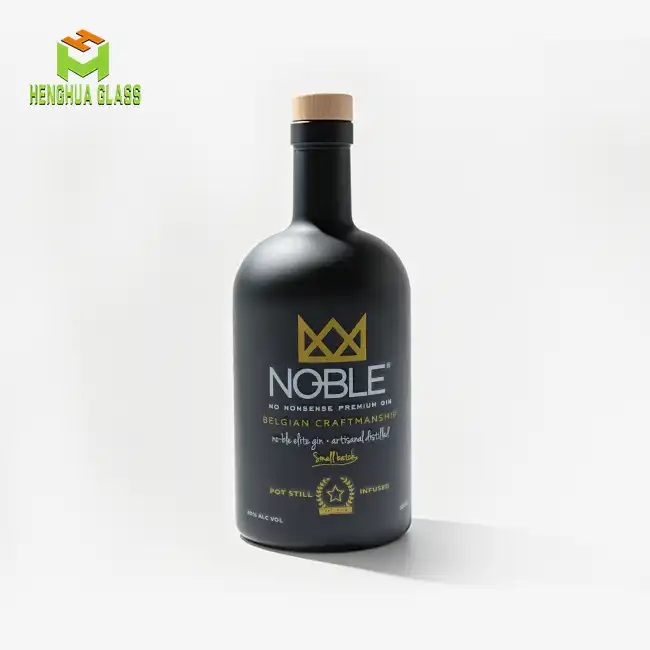
Understanding Custom Glass Liquor Bottle Branding
Why Custom Bottles Matter for Brand Differentiation
It's big in the drinks business to tell stories visually. As people shop in stores or online, they look at the boxes that things come in. The packaging speaks for the brand without saying a word. Glass boxes made just for you show off history, quality, and craftsmanship before you even taste the wine. Branded bottles make people feel something, which makes them more likely to buy than plain containers. This is shown by the fact that high-end whisky brands have unique bottle shapes and intricate engravings that make them stand out in stores and protect their high prices.
Core Elements of Effective Bottle Branding
Customizing liquor bottles in a useful way is more than just changing how they look. The shape of the bottle, the thickness of the glass, how the weight is distributed, and the decorative treatments all work together to show what the brand stands for. You might think the bottle is stronger and more expensive because of its bigger body, but the smooth walls inside keep the spirit's taste and flavor. Clear glass lets the color of the liquid show through, which is great for golden rums and amber-colored whiskies. Orange- or blue-colored glass stops UV rays that could damage light-sensitive ingredients. When these physical features are put together with visual branding, packaging is made that is both useful and good at marketing.
Strategic Benefits for B2B Procurement
Directors of the supply chain and people in charge of buying things know that branded bottles are useful for two reasons. While the product is being stored and shipped, they keep its quality safe. They also work as marketing investments that make the product more valuable. Moulds that are made by hand help distilleries stand out from the competition when they release new lines of goods by giving each one a unique market personality. When an OEM makes products for more than one brand, they need to be able to customize them in a number of ways, such as by offering various closure types, decoration styles, and capacities. That way, they can make lots of them quickly to meet the wants of many people without lowering the quality.
Step-by-Step Guide to Customizing Glass Liquor Bottles with Logo
Aligning Design with Brand Strategy and Market Demands
The first step in customizing something is making sure it stays true to the brand's style. Folks who like handmade goods might be interested in craft distilleries that use cork closures and raised logos on their products to make them look like they were made by hand. Modern vodka brands, on the other hand, are liked by people in cities because they have simple designs with logos printed on screens and screw caps. By looking at how competitors pack their goods, you can find market gaps and chances. During this research phase, your marketing and product development teams should be involved to make sure that the bottle's design fits with the brand's story and also takes into account practical issues like how well it will ship and how well it will fit on filling lines.
Selecting Advanced Decoration Technologies
Modern glass decoration offers techniques suited to different production scales and aesthetic goals:
Screen printing delivers clear and long-lasting graphics when they are printed on a screen. This works well for both text and logos. Ceramic or organic inks are put through mesh screens in this way to make images that last and can handle being around booze and changes in temperature. The cost of making medium- to large-sized runs stays low.
Hot stamping uses heat and pressure to move colored or metallic foils onto glass surfaces of Custom Glass Liquor Bottles. This makes beautiful gold or silver accents. This method works well for high-end drinks because the complexity of the look allows for higher prices per unit.
Internal engraving employs laser technology to make designs that are three-dimensional inside of glass structures. The pictures that come out of this process look like they're floating inside the bottle. This makes it look cool and protects it well from being copied.
Thermal transfer printing can handle pictures and colors that are as clear as photographs, so it is possible to print complicated artwork. One-of-a-kind bottles and commemorative bottles with lots of small features that make them more valuable work well with this method.
Each method has its own advantages. If you want to pick a technology, it's best to talk to providers about your production goals, price range, and style preferences. For example, to emphasize the high-end nature of a product, use screen printing for the main marking and hot stamping for the details.
Evaluating Supplier Capabilities and Certifications
Getting the right provider is very important for a project's progress. A company with quality management systems that are certified (ISO 9001), food-grade compliance (FDA, SGS, LFGB), and strong production facilities is likely to have a lot of experience. Find out from sources if they can make molds. This is very important for bottles with odd shapes that need special tools. Scalability depends on how much can be made. Suppliers who have more than one melting furnace that can make more than 100,000 units a day can adapt to different growth paths and changes in seasonal demand. To find out more about how things are made, how quality control works, and how to protect the environment, you can ask for site surveys or virtual tours. You can get production planned first, get expert help when design changes happen, and be able to talk to packaging suppliers quickly to meet urgent needs if you have good relationships with them.
Prototype Development and Quality Approval
If you approve a sample first, you can avoid making mistakes that cost a lot of money during mass production. After the cast is finished, it usually takes 25 days for the company to make a model. This step makes sure the sizes are right, the glass is clear, the design is nice, and the lid fits the glass. See how well the logo and colors show up on samples when they are lit in different ways. Put bottles through practical tests by adding water to see how well they seal and shipping conditions to see how likely they are to break. Fine-tuning goes faster when you get detailed feedback during sampling. This makes sure that the final products meet the needs. Setting clear acceptance criteria, like what kinds of changes are okay in terms of weight, decoration alignment, and finish quality, speeds up the approval process and cuts down on disagreements that come from personal opinion.
Optimizing Order Logistics and Packaging Solutions
A big order usually takes 30 days to be made after it is approved. If you want to save room in your warehouse, schedule your deliveries around when you're adding items. How things are packed has a big impact on how well they travel. Less than 2% of export-grade cartons with internal dividers and reinforced corners break. This keeps investments safe while they are being shipped internationally. As a safety measure, some sellers offer transportation loss payment programs. When you talk about incoterms during discussions, it's clear who is in charge of what when it comes to shipping costs and risks. For high-end gift wrapping or online shopping, look into unique outer boxes or display-ready designs. These make unboxing more fun and cut down on the time it takes to get things ready to sell.
Comparing Custom Glass Bottles to Other Packaging Options
Glass Versus Plastic Alternatives
The kind of material used can change how people feel about a brand and how much damage it does to the world. When you see glass, you know that something is real, pure, and best. In spirits markets, where tradition and skill play a big role in buying decisions, these traits are especially valued. Glass doesn't react chemically with anything like plastic does. This means that flavors don't move around and the liquid stays the same for a long time. When people decide what to buy, environmental issues are becoming more and more important. It is possible to recover glass over and over again without losing any of its quality. This meets customer-important goals for sustainability. If you want to keep oxygen and volatile compounds inside, glass is a better barrier than plastic, even though it costs more per unit. This keeps the product's quality and the brand's reputation safe.
Closure Options: Functionality Meets Aesthetics
Picking the right closure takes into account both how it looks and how well it works as a closure:
Wood closures appeal to people who value traditional ways of making things because they make them think of handmade heritage and natural authenticity. It's important to make sure that all the pieces of wood you buy are the same size and don't have too much or too little water in them.
Metal Screw Caps for Custom Glass Liquor Bottles close securely and can't be opened without being seen. This works well for high-speed automatic filling lines. Metal caps come in many finishes, such as gold, silver, and black, so there is something for everyone. Also, they always make sure that the force requirements are met and that the lock stays in place.
Plastic closures make the package lighter because they are cheap and don't weigh much. Metallic coats and textured finishes on modern plastics give them a more polished look. It's hard to tell the difference between the materials, and the prices are still low.
Closure decisions should consider target markets, channels of distribution, and how customers like to be treated. Products that will be used in bars should have screw caps that can be used again and again. On the other hand, bottles for gifts might have decorative cork closures that focus more on looks than on functionality.
Bottle Shape Innovation and Production Feasibility
Brand identities that are easy for people to remember are made up of different bottle shapes. You can stand out with ones that are round, square, or flask-shaped, or even ones that are made just for you. But there are trade-offs that come in different forms. Making custom models costs a lot of money up front, and you usually need to order at least 10,000 to 30,000 pieces to cover the costs of making the molds. It's harder to make things with complicated shapes, which could change the price per unit and the rate of breakage. Suppliers need to be involved in the design process so that there is a balance between new ideas and being able to make the product. Computer-aided design (CAD) modelling and structure analysis can tell you about production problems before the mould is even made. This means that you don't have to make as many expensive redesigns. Standard sizes (500 ml, 750 ml, 16 oz, and 18 oz) make it easier to use the packing equipment that is already out there and meet customer needs. That makes it easy to get into the market and lets people make it their own by changing the surface instead of the structure.
Best Practices and Trends in Custom Glass Liquor Bottle Design
Embracing Sustainable and Eco-Friendly Solutions
It's getting more and more important for businesses to care about the environment when they buy things. Companies that use eco-friendly methods, like reusing cullet in glass recipes, installing water recirculation systems, and making boilers more efficient to use less energy, are favored by brands that say they care about the environment. When projects are made lighter, they use less glass without weakening the structure. This saves money on shipping and protects the environment. Some sellers offer shipping options that don't use carbon or take part in projects that plant trees to make up for the damage that production does. Getting third-party certifications to show that you care about sustainability builds brand stories and meets store standards for responsible sourcing. Brands that work with providers who care about the environment have an advantage in markets that value both good looks and caring about the environment. This is especially important as rules and customer expectations change.
Leveraging Limited Editions and Exclusive Features
Limited-edition releases make people feel rushed and excited, which drives up prices and attracts more collectors. When bottles are personalized with engravings, numbers, and commemorative designs, they become keepsakes that make people think of the brand even after they're done drinking it. Distilleries use special bottles to mark birthdays and other important events. These bottles draw attention to how important the event was. Built-in gift boxes, artsy fire methods that make finishes sparkle, or spray painting that makes color effects that fade could be some of the features that make it stand out. The higher prices make sense because of these extras, which also make the item seem more valuable. Planning how to make limited editions means finding the right balance between making the item hard to get and making sure that a lot of them can be made so that the limited edition appeal doesn't go away. When you work with suppliers who are used to customizing small amounts, you can be sure that the quality will stay the same even when you only order a few items. This will also help you save money by making the decorating process easier.
Adopting Minimalist and Label-Free Designs
It's in style right now to keep things clear and easy with custom glass liquor bottles. Simple bottles with logos that are raised or lowered don't have paper labels. This makes things look more modern and sophisticated while also cutting down on waste. This method works really well for expensive drinks that are meant for people who know a lot about design and like simple beauty. Label-free designs make handling easier for production because you don't have to stick things down and keep track of more of them. The branding will last no matter the temperature, moisture, or handle wear because it is etched or decorated directly on the glass from the inside. Classic styles that don't go out of style as quickly are good for brands that use minimalism. This makes packaging more useful over the lifecycle of a product. It's also good for flexible marketing to use minimalist strategies. The main parts of a brand can stand out without any other visual clutter on clear surfaces. This makes it easier to recognize and remember the brand.
Conclusion
It's a good idea to put logos on glass liquor bottles because it turns the package into brand value. It's important to think about how the design fits with the values of the brand, choose the right decoration technologies, and work with suppliers who have the right skills and certifications. You can make choices that look good, work well, and don't cost too much by comparing different materials, closures, and new shapes. When the market is always changing, brands can stay ahead by being environmentally friendly, finding new ways to make limited copies, and keeping up with the latest design trends. To make customization work, buyers, designers, and skilled makers need to work together to handle tricky technology issues and give top-notch goods on time. Personalized bottles help people remember your brand, get customers more involved, and can lead to long-term market success if you plan well and have good relationships with your suppliers.
FAQ
What are typical minimum order quantities for custom liquor bottles?
The harder it is to customize, the less you have to order, the better. Standard bottles with decorations need to be 10,000 to 15,000 most of the time. For custom molds with unique shapes, you need to order more pieces—usually between 20,000 and 30,000—to cover the cost of the tools. Early on, talking about the number of needs helps providers find solutions that don't cost too much.
How long does production take from order to delivery?
The samples are made about 25 days after the mold is made. Once everything is okay, mass production lasts for 30 days. When making custom forms, it takes two to three months from the first drawing to delivery. When decorating stock bottles, it takes less time. Launch dates for products don't get pushed back when everyone knows what's going on and has a clear plan.
Can different decoration methods be combined on one bottle?
It does look better to use methods like hot stamping for accents and screen printing for major logos together. Suppliers use the complexity of the design and the flow of production to decide if a project is possible. Multi-technique decoration makes things more expensive, but it makes unique wrapping that makes expensive items stand out. Specific standards make sure that products work together technically and keep their quality over time.
Partner with Henghua for Tailored Custom Glass Liquor Bottles
We know how to send high-quality custom glass liquor bottles that meet strict B2B buying standards and make your brand stand out here at Henghua. Every bottle we make shows that we are skilled craftsmen. We have been making bottles for over 20 years and have FDA, SGS, and ISO 9001 certifications to back it up. Our factories have ten 150-ton furnaces that can make one million units a day. This means they can handle both large orders and flexible customization. We offer full ODM/OEM services and have glass sizes from 100 ml to 750ml in amber, clear, or blue. A few different ways to personalize them are to screen print, hot stamp, or engrave them on the inside. We want to work with you without any risks, and the free samples and shipping loss pay we offer show that. You can email our team at denny@henghuaglass.com to talk about your project and find out why global brands trust Henghua as a Custom Glass Liquor Bottles service. Please go to www.glassbottles. CN to learn more about our 750 mlcts. Today is the day to start making your packing dreams come true.
References
1. Anderson, M. (2021). Packaging Innovation in the Spirits Industry: Strategies for Brand Differentiation. Beverage Publishing Group.
2. Chen, L., & Roberts, K. (2022). Glass Manufacturing Technology and Quality Control in B2B Procurement. Industrial Packaging Journal, 18(4), 112-128.
3. Harrison, T. (2020). Sustainable Packaging Solutions for Alcoholic Beverages. Environmental Packaging Research Institute.
4. Mitchell, S. (2023). Design Trends in Premium Liquor Bottle Customization. International Journal of Brand Marketing, 15(2), 45-63.
5. Thompson, J., & Liu, W. (2021). Supply Chain Management for Glass Packaging: A Procurement Perspective. Global Manufacturing Review, 29(3), 201-219.
6. Williams, R. (2022). Decoration Technologies for Glass Bottles: Comparative Analysis and Applications. Packaging Technology Press.
Learn about our latest products and discounts through SMS or email