- English
- French
- German
- Portuguese
- Spanish
- Russian
- Japanese
- Korean
- Arabic
- Irish
- Greek
- Turkish
- Italian
- Danish
- Romanian
- Indonesian
- Czech
- Afrikaans
- Swedish
- Polish
- Basque
- Catalan
- Esperanto
- Hindi
- Lao
- Albanian
- Amharic
- Armenian
- Azerbaijani
- Belarusian
- Bengali
- Bosnian
- Bulgarian
- Cebuano
- Chichewa
- Corsican
- Croatian
- Dutch
- Estonian
- Filipino
- Finnish
- Frisian
- Galician
- Georgian
- Gujarati
- Haitian
- Hausa
- Hawaiian
- Hebrew
- Hmong
- Hungarian
- Icelandic
- Igbo
- Javanese
- Kannada
- Kazakh
- Khmer
- Kurdish
- Kyrgyz
- Latin
- Latvian
- Lithuanian
- Luxembou..
- Macedonian
- Malagasy
- Malay
- Malayalam
- Maltese
- Maori
- Marathi
- Mongolian
- Burmese
- Nepali
- Norwegian
- Pashto
- Persian
- Punjabi
- Serbian
- Sesotho
- Sinhala
- Slovak
- Slovenian
- Somali
- Samoan
- Scots Gaelic
- Shona
- Sindhi
- Sundanese
- Swahili
- Tajik
- Tamil
- Telugu
- Thai
- Ukrainian
- Urdu
- Uzbek
- Vietnamese
- Welsh
- Xhosa
- Yiddish
- Yoruba
- Zulu
How to Choose the Right Glass Wine Bottle for Your Winery?
When picking the right glass wine bottle, you need to think about the quality of the material, the shape of the bottle, whether the closing will work with it, and whether there are any customization choices that fit with your brand and the wine. The choice has a direct effect on preservation, how customers see the brand, and the company's long-term place in the market. At Henghua, we know that the right glass wine bottle keeps your wine's quality and makes it stand out on the shelf. That's why it's important for procurement managers and product development teams to look at technical specs, aesthetic appeal, and supplier reliability when they're looking for packaging solutions.
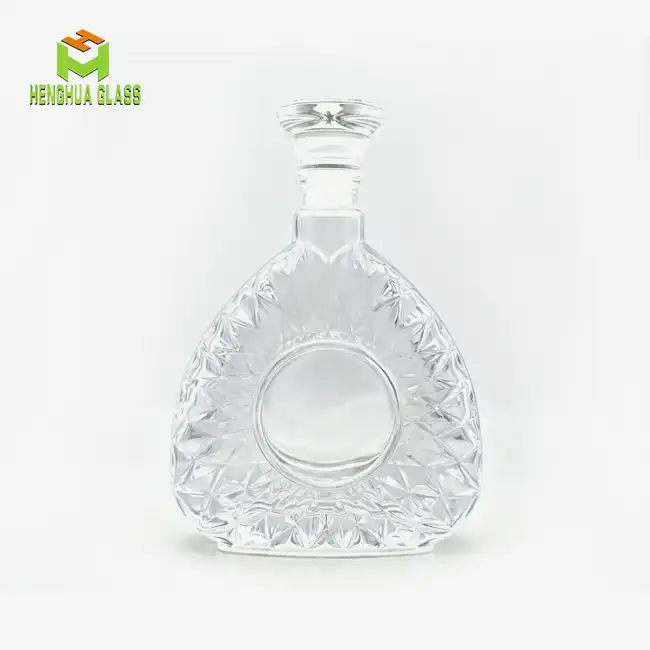
Why Choosing the Right Glass Wine Bottle Matters
In today's competitive drinking market, the choice of glass wine bottle packaging affects more than just appearance. It also has a big impact on the quality of the wine and the image of the brand.
Impact on Wine Preservation and Aging
Because it doesn't react with anything and keeps air out, glass is still the best material for wine storage. When compared to other materials, quality glass bottles keep the temperature stable and stop chemicals from reacting in ways that ruin the flavors. The smoothness of the inner wall protects delicate smells, and the thickening of the bottle bodies gives them strength during shipping and aging in the cellar. Studies from the International Organization of Vine and Wine show that using the right glass packing to keep wine fresh for longer by reducing rust is important for wineries that want to build brand loyalty over time.
Balancing Aesthetics with Functionality
Wineries must balance aesthetics and durability when selecting glass wine bottle packaging. Managers in charge of buying things need to think about how the weight of the bottles affects the cost of shipping, whether custom forms can be filled with standard equipment, and whether decorative parts can stand up to automatic marking systems. It doesn't matter how nicely etched the bottle is if it breaks more often during shipping or slows down production lines. The best packing strategies combine eye-catching design elements with standard sizes that work with the infrastructure that is already in place.
Regulatory Compliance and Market Demands
Regional rules about food-safe products, recycling standards, and marking needs are very different from one market to the next. The U.S. Food and Drug Administration requires specific tests for glass cases that come into touch with alcoholic drinks, and strict environmental rules are enforced in European markets. Knowing these models can help you avoid expensive refunds and get your products on the market more easily. Packaging choices are also influenced by what consumers want. For example, American buyers are becoming more interested in eco-friendly materials and clear origin labels, which gives companies that are transparent about their certifications a competitive edge.
Core Metrics for Glass Wine Bottle Selection
Throughout its life, technical specifications tell us if a bottle meets operating goals and quality standards.
Material Composition and Safety Standards
Lead-free, food-grade glass formulas protect consumers and follow rules in all foreign markets. Henghua makes bottles with borosilicate glass and lime soda that are certified by CE, FDA, SGS, and LFGB. This means that customers don't have to worry about heavy metals escaping. These materials can handle the heat stress that comes with steaming and keep their shape even when the storage conditions change. We make highly clear glass with a luxurious texture that correctly shows off the color of wine, which is important for premium varieties where looks play a role in buying choices.
Color Selection and Light Protection
There are different levels of UV protection in amber, blue, and custom-colored glass, which keeps sensitive wines from losing their tastes when exposed to light. Dark Glass Wine Bottle packaging blocks harmful UV wavelengths that speed up oxidation and break down phenolic compounds. This is especially important for red wines and drinks that are meant to age for a long time. For white wines and rosés, where color appearance is important to customers, clear bottles work well, but they need to be stored carefully out of direct sunshine. Because we can customize, wineries can find a good mix between protecting their products and making their brand stand out through unique color schemes.
Size, Shape, and Closure Compatibility
Standard sizes from 100ml to 1000ml, as well as customizable sizes like 16oz and 18oz, can fit a wide range of products, from small tastings to large magnums. The form of the bottle affects how it pours, how well it stacks, and how well people recognize the brand. For example, classic Bordeaux and Burgundy shapes show traditional quality, while modern geometric shapes show innovation. The specs for closure systems must exactly match the bottle neck. Our screw cap and cork-compatible finishes guarantee hermetic closing. Our round form and roll-type seal design make them work best with automatic capping equipment, which cuts down on production downtime.
Analyzing User Needs and Matching Solutions
Depending on the size of the production and the setting of the brand, different wineries need different ways to buy packages.
Segmenting Winery Requirements
Large producers want quality that stays the same across large orders, so they need sources with a lot of producing capacity and strict quality control systems. Boutique wineries focus on being able to customize orders and having lower minimum order amounts so that seasonal changes and limited releases can happen. Our 10 sets of 150-ton glass melting furnaces can each make up to 1 million units per day, which means they can successfully serve both groups. For pressing needs, inventory items ship right away, while custom orders have a set schedule of 25 days for sampling and 30 days for mass production that strikes a good balance between speed and accuracy.
Customization for Brand Differentiation
Standard bottles can be turned into unique brand assets by applying surface treatments like gold stamping, bronzing, screen printing, thermal transfer printing, and interior etching. Placement of the logo, label integration, and design of the packing box all work together to make brand experiences that are consistent and appealing to the target audience. We offer full OEM and ODM services, which let wineries create their own bottle forms by customizing them in 3D and using their own finishing methods. Wood, metal, or plastic caps come in a range of colors, including gold, silver, white, and black, to help get your brand's message across. These customization options help buying teams make packaging that is ready for the market and stands out in busy stores.
Partnering with Reliable Manufacturers
The choice of supplier affects the security of the supply chain and the quality of the packing over long-term relationships. Glass wine bottle manufacturers must be evaluated based on certifications and production capability. Henghua has been making things for 20 years, which shows that they are experts at making glass packing options for markets around the world. Our ability to keep costs down lets us offer competitive prices without lowering quality standards. This is especially helpful for farms that are trying to make ends meet while dealing with tight margins. Transportation loss compensation services and free samples lower the risk of buying something, and ongoing technology support makes sure that packing changes as products do.
Evaluating Glass Wine Bottle Options: Comparison and Trade-offs
To do strategic buying, you need to know how different specs change performance results and cost structures.
Material Comparisons and Sustainability
Glass packaging is easier to recycle than plastic options, which is in line with what consumers expect from companies that care about the environment. The material can be recycled over and over again without losing any of its quality. This supports the circular economy ideas that are being required by more and more laws. Our eco-friendly manufacturing methods reduce trash and energy use while still meeting sustainability goals without charging more. Glass is also better at blocking air than lighter materials, which makes it the best choice for wines that need to stay stable for a long time.
Color and Thickness Considerations
While a colored glass wine bottle blocks UV rays, it can reduce the visibility of the wine’s natural color. This is a trade-off that wineries have to make when deciding how to best preserve the wine. Although thicker bottle walls make them last longer and look more expensive by adding a lot of weight to them, they also make shipping more expensive and leave a bigger carbon footprint. Our thickened bottle body design makes it stronger without adding too much weight, which is the best mix between durability and economy. For varietals where color is a key quality sign, transparent choices show off the brilliance of the wine, but they need careful attention to the lighting conditions during storage.
Cost Optimization Strategies
When compared to small-batch orders, bulk purchasing deals usually result in cost savings of 15 to 30 percent. This makes volume promises appealing for well-known product lines. Customization changes prices based on how complicated it is. For example, easy screen printing costs less than interior engraving in multiple colors or special surface treatments. Standard sizes and forms are ready to ship right away and have lower making costs, while custom designs need an investment in a mold that is spread out over many orders. Our clear price system and factory-direct model get rid of markups for distributors, which helps procurement teams make the best use of their budgets.
Best Practices for Procurement and Quality Assurance
Tough source evaluations and quality checks protect the brand's image and make sure that regulations are followed.
Certification and Compliance Verification
Make sure that the companies you're working with have the latest certifications for making food-grade glass and can give you test results that show the glass's chemical and stress resistance. Henghua's goods meet foreign standards, such as FDA rules for materials that come into touch with food and European guidelines for safe packing. Ask for proof of annealing quality testing that gets rid of internal stress points that cause things to break on their own. Dimensional analysis that confirms neck finish limits within ±0.5mm specs makes sure that all production runs will seal reliably.
Supplier Partnership Criteria
Check how much production capacity you have to meet demand during the busy season without sacrificing quality or causing delivery delays. Our fully automatic production lines and large furnace capacity make us reliable when we're making a lot of things at once. Check the company's logistics, such as its ability to customize packing, its experience with foreign shipping, and its damage rate history. For example, our breakage rates stay below 1% thanks to custom-molded secure packaging. Long-term relationships have benefits beyond lower prices. For example, they can give priority to production scheduling, work together on technical aspects of developing new products, and offer quick help when there are problems in the supply chain.
Quality Control and Testing Protocols
Set up processes for inspecting new parts to make sure they meet agreed-upon standards for dimensional accuracy, annealing quality, and surface defect rates. We make sure that our glass doesn't have any bubbles and that the edges are smooth so that labels stick well. Vertical load testing should be done on closures to make sure the seal stays intact under storing pressures. Leak tests should also be done to find possible problems before filling. Set clear quality standards in procurement deals and include ways to fix batches that don't meet those standards. This will protect production plans and keep safety standards for consumers.
Conclusion
To choose the right glass wine bottle, you need to make an informed choice that balances technical requirements, business goals, and operational limitations. Packaging tactics that work depend on things like the quality of the materials, how well they protect colors, how easy it is to make changes, and how reliable the suppliers are. When wineries work with experienced manufacturers who offer full certification, large output capacity, and quick technical help, everyone wins. Procurement teams find packaging options that protect wine quality, improve brand positioning, and support long-term market success by carefully reviewing these factors.
FAQ
Why does dark glass provide better wine protection?
UV and visible light wavelengths can damage wine's taste and color by starting photochemical reactions. Dark glass blocks these wavelengths. Compared to clear glass, amber and colored bottles block 90–99% of dangerous light. This means that light-sensitive varieties can stay fresh longer. This protection is especially important for wines that are exposed in stores or kept in less-than-ideal circumstances.
How can I source eco-friendly bottles meeting industry standards?
Find sources that have environmental approvals and glass formulations that can be recycled and don't contain any harmful additives. Ask for proof of environmentally friendly manufacturing methods, such as programs to cut down on trash and energy-efficient production. Henghua follows international environmental standards, which means that our bottles support sustainability goals and meet the safety standards for food sold around the world.
What factors affect wholesale pricing for customized bottles?
The end price is based on the number of orders, the level of customization, the material requirements, and the shipping schedule. Custom models that need special surface treatments are more expensive than standard forms that only need to be decorated. Costs per unit drop by a lot when you make a bulk pledge, but you may have to pay more if you need to speed up production. Our low factory-direct prices don't include markups for middlemen, so you get value no matter how much you buy.
Partner with Henghua for Premium Glass Wine Bottle Solutions
Henghua has been making things for more than 20 years and can help wineries find trusted glass wine bottle providers. Our wide range of products comes in amber, clear, blue, and custom colors, with sizes ranging from 100ml to 1000ml. You can fully modify them by printing your name on them, engraving them on the inside, or giving them a different finish on the outside. We keep our FDA, SGS, and CE certifications up to date to make sure we meet the standards for food safety in all foreign markets. Our advanced production capabilities can handle orders ranging from quick shipments of in-stock items to large-scale special projects with clear lead times. Email us at denny@henghuaglass.com to talk about your unique needs, get free samples, or get cheap quotes for buying in bulk.
References
1. International Organization of Vine and Wine. "Packaging Materials and Wine Quality: Technical Guidelines for Producers." 2021 Edition.
2. American Society for Testing and Materials. "Standard Specification for Glass Containers for Pharmaceutical Use" (ASTM C148-19).
3. Food and Drug Administration. "CFR Title 21: Food Contact Substances and Food Packaging Materials Compliance."
4. European Commission." Directive 84/500/EEC on Ceramic Articles Intended to Come into Contact with Foodstuffs."
5. Wine Business Monthly. "The Impact of Bottle Design on Consumer Purchasing Decisions: A Market Analysis Study." 2022.
6. Glass Packaging Institute. "Sustainability and Lifecycle Assessment of Glass Containers in the Beverage Industry." Technical Report, 2023.
Learn about our latest products and discounts through SMS or email