- English
- French
- German
- Portuguese
- Spanish
- Russian
- Japanese
- Korean
- Arabic
- Irish
- Greek
- Turkish
- Italian
- Danish
- Romanian
- Indonesian
- Czech
- Afrikaans
- Swedish
- Polish
- Basque
- Catalan
- Esperanto
- Hindi
- Lao
- Albanian
- Amharic
- Armenian
- Azerbaijani
- Belarusian
- Bengali
- Bosnian
- Bulgarian
- Cebuano
- Chichewa
- Corsican
- Croatian
- Dutch
- Estonian
- Filipino
- Finnish
- Frisian
- Galician
- Georgian
- Gujarati
- Haitian
- Hausa
- Hawaiian
- Hebrew
- Hmong
- Hungarian
- Icelandic
- Igbo
- Javanese
- Kannada
- Kazakh
- Khmer
- Kurdish
- Kyrgyz
- Latin
- Latvian
- Lithuanian
- Luxembou..
- Macedonian
- Malagasy
- Malay
- Malayalam
- Maltese
- Maori
- Marathi
- Mongolian
- Burmese
- Nepali
- Norwegian
- Pashto
- Persian
- Punjabi
- Serbian
- Sesotho
- Sinhala
- Slovak
- Slovenian
- Somali
- Samoan
- Scots Gaelic
- Shona
- Sindhi
- Sundanese
- Swahili
- Tajik
- Tamil
- Telugu
- Thai
- Ukrainian
- Urdu
- Uzbek
- Vietnamese
- Welsh
- Xhosa
- Yiddish
- Yoruba
- Zulu
Custom Olive Oil Bottles: How Packaging Drives Premium Branding
Premium brands are based on their packaging because people judge olive oil by its bottle before they even taste it. With a custom glass olive oil bottle, your brand has a unique shape, color, and finish that no one else on the shelf has. The oil inside is safe because the dark glass and tight lid keep the oil inside safe. Brand owners, importers, and private-label buyers come to me because they want both a look that makes them want to charge more and a bottle that fills easily on the line. This guide talks about design, color of glass, decoration, closures, steps in the development process, and costs. send inquiry

Why Packaging Shapes Premium Olive Oil Brands?
Why Custom Glass Olive Oil Bottles Matter for Premium Branding?
People who are shopping touch a bottle first. Before anyone tastes the oil, its shape, weight, color, finish, closure, and label all show what kind of quality it is. A unique container makes it easier to spot on the shelf, helps customers remember the brand, and supports higher prices for gourmet gift lines, extra virgin olive oil, and oils that have been infused. Since most olive oil sold in the US comes from other countries, shelves are full of labels from Spain, Italy, Greece, and Tunisia. A familiar shape will help your product stand out. Even if something looks good, it still has to be safe for food, fit the filling line, not break easily, and ship quickly. I tell people that the best bottle looks expensive and works well on the line.
Design Ideas for Different Brand Positions
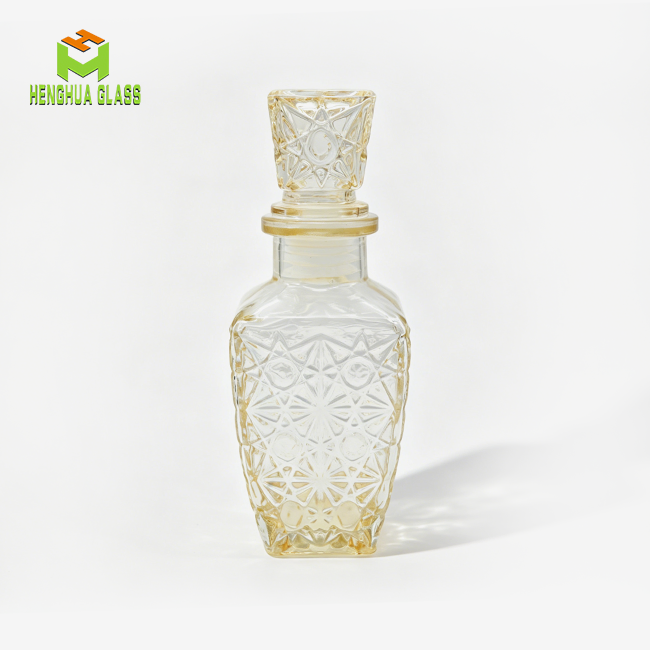
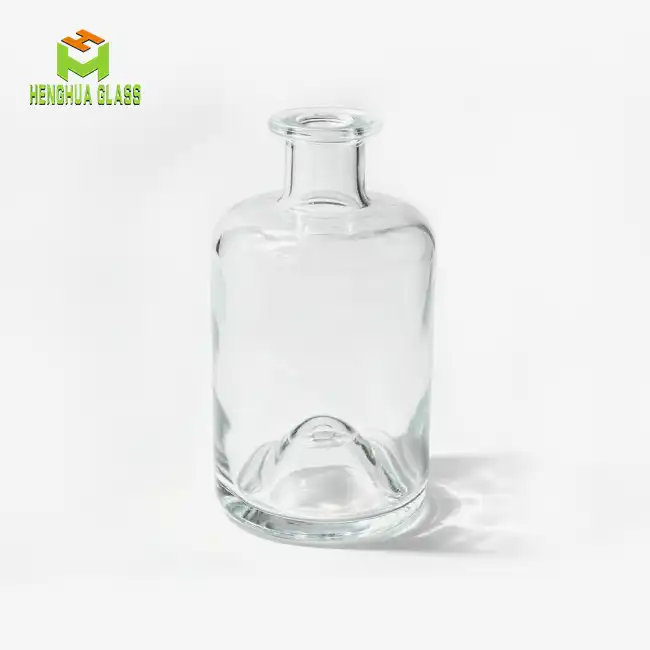
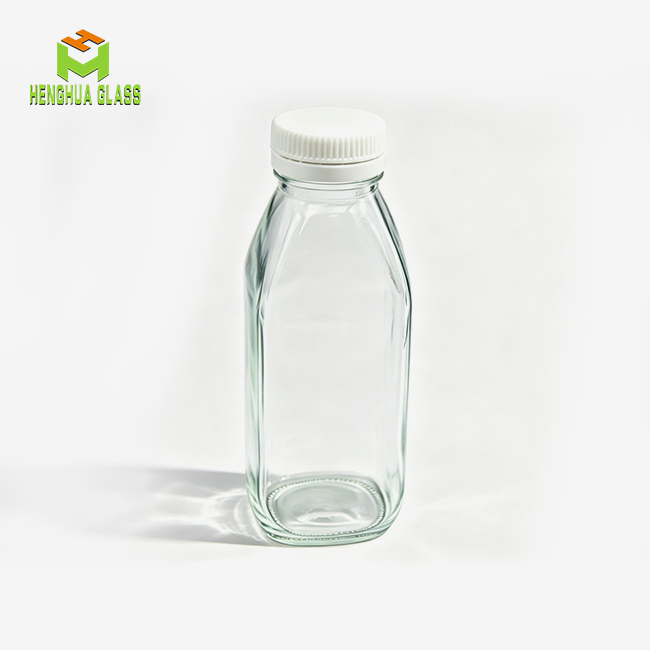
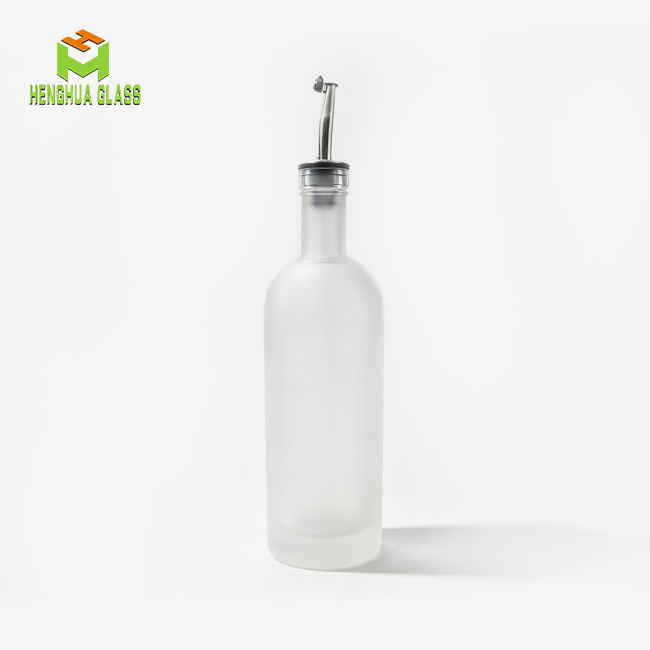
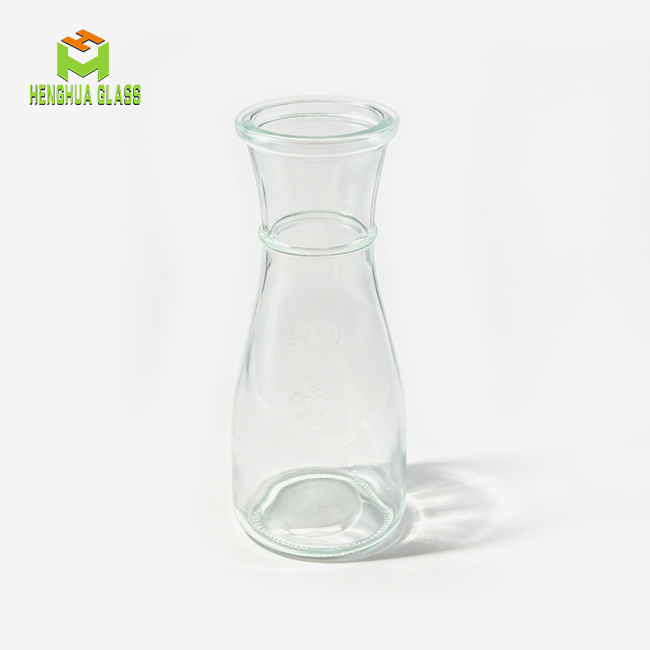
Make sure that the design corresponds to your price point, sales channel and buyer. Sculpted designs, dark colors, logos in relief, metal embellishments and high-end closures on bases of strong glass are typical in luxury and gift lines. Clean cylinder, square or rectangular bottles are preferred by retailers and manufacturers that sell direct to the customer, since they are easier to label, palletize and photograph the products. Regional and family producers sometimes bottle in brief, broad or apothecary-like shapes to demonstrate their background and origins. No matter what style, you will want to decide early on the tolerances, capacity, neck size, shoulder shape, base thickness and base thickness. They dictate how the bottle feels in your hand, as well as how repeatable a factory can be making it, over and over again. Henghua offers bottles in sizes of 100 ml, 200 ml, 500 ml, 750 ml, 1000 ml, 16 oz, 18 oz and 32 oz. The most frequent shape is spherical, but you can modify it.
Stock Bottles vs. Custom Bottles: Which Option Is Better?
Custom bottles are not the same as stock bottles. Stock bottles are great for products that change frequently, are low volume or need to be launched rapidly as they are less expensive to mold and easy to reorder. If you want something uniquely shaped, stronger brand ownership or a long-term private-label line, a bespoke mold is worth the money. Don't just look at the unit price, but consider the weight of the glass, the complexity of the mold, the quality of the closure, the ornamentation, the carton protection and the total landed cost. To get the true cost per bottle, take the mold cost and divide it by the number of bottles you intend to produce. Many purchasers are afraid other companies will duplicate a new shape, so before you authorize any mold, get in writing who owns the mold and how long it will be around. If you want to test the market, however, a stock bottle with a bespoke label goes a long way.
Glass, Decoration, and Closure Choices That Protect and Sell
Choosing Glass Type and Color for Olive Oil Protection
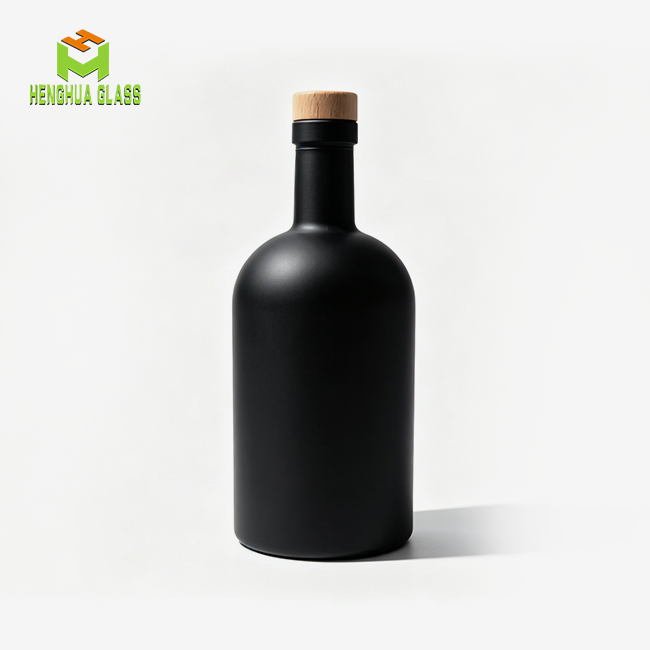
Glass is good for the custom glass olive oil bottle because it can be used with food, is chemically stable, can be recycled, and can be filled automatically. Color is important because light, oxygen, and heat all speed up oxidation. Most of the time, dark green and amber glass are better than clear glass at keeping light-sensitive oils, like extra virgin olive oil, safe. Clear glass lets the color of the oil stand out and can be used for products that sell quickly or for controlled storage. Food Control (2010) did a study on how the type of packaging, light transmission, headspace oxygen, temperature, and storage time affect the quality of extra virgin olive oil. Henghua has amber, clear, and blue glass, and customers can request custom colors. Get samples in the shade that works best for your shelves and storage, and then test them for each market they'll be going to.
Bottle Decoration and Label Requirements
Adding some decoration to a plain container makes it a brand asset. Embossed logos and textured surfaces make things stand out permanently, but they may need more expensive tools and simpler artwork. Printed finishes make things look better and last longer, while labels let you use more types of art and cost less. Henghua can do hot pressing, gold stamping, bronzing, screen printing, decorative firing, thermal transfer printing, spray painting, internal engraving, stickers, labels, and gift boxes. To sell in the U.S., plan label space ahead of time. Net contents must be written in both U.S. customary and metric units, so a 500 ml bottle reads 16.9 fl oz. The FDA Food Labeling Guide explains how to do this. Make sure the label fits the bottle's shape, seams, and oil touch.
Selecting the Right Closure
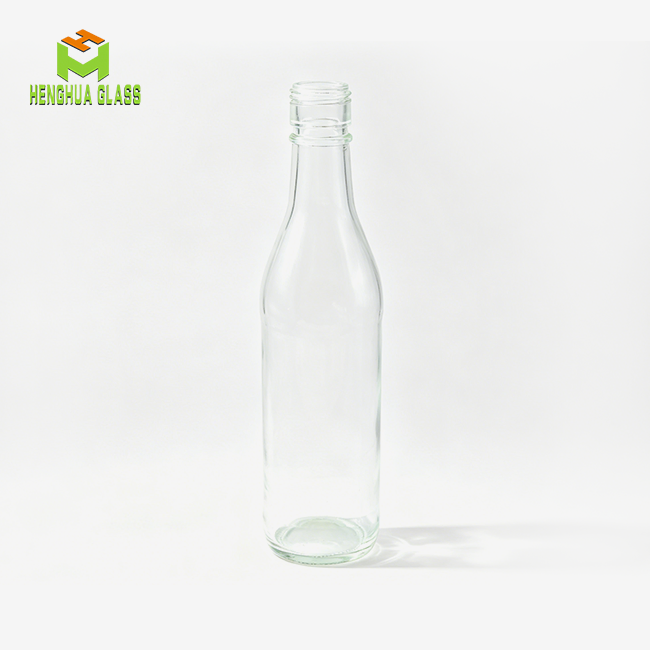
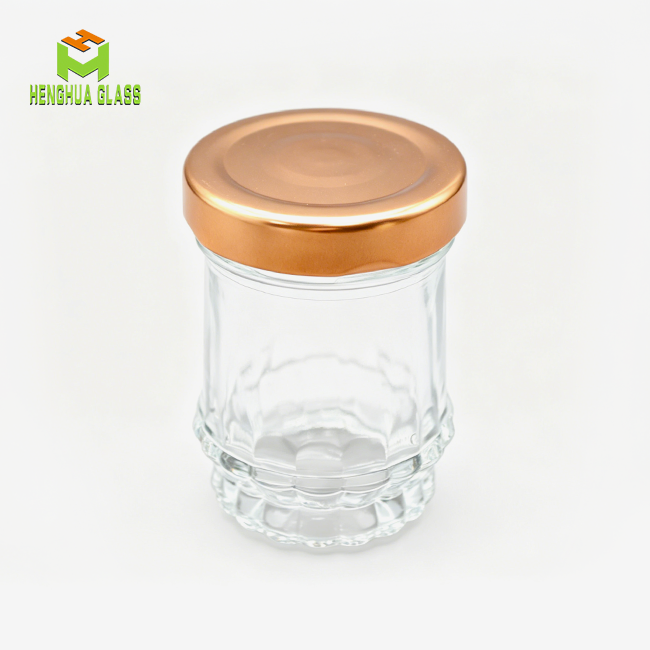
You need to make sure that the closure fits with your brand and your filling line. Cork and bar-top closures look like they were made by hand, but they need to be carefully tested for fit and leakage. When making a lot of things, screw caps are great because they allow for automatic capping, resealing, tamper evidence, and cost control. Henghua bottles use screw caps with a roll-type seal, and the caps can be made of wood, metal, plastic, gold, silver, white, black, and other colors. Check the neck finish, thread sizes, liner material, torque range, and food-contact compliance before giving the go-ahead. If the neck of the bottle doesn't fit the filling head, the line can't go through, so mention your cap and filler in your first question.
What henghua Offers for Custom Bottle Projects
Bottle Specifications at a Glance
The main things that buyers want to know about a product are listed below.
- Sizes and shape: Capacities of 100 ml, 200 ml, 500 ml, 750 ml, and 1000 ml, plus 16 oz, 18 oz, and 32 oz, all customizable. The standard shape is round, and bottle shape, size, and logo can all be changed to match your brand identity and your exact filling equipment.
- Colors and caps: Glass comes in amber, clear, or blue, and other colors can be requested. Caps are wood, metal, or plastic in gold, silver, white, black, and more. These bottles can hold olive oil, rum, whiskey, or gin, which helps buyers who run several different product lines at once.
- Build quality: The glass is highly transparent with a luxurious look, and the thickened body adds sturdiness and durability. A smooth inner wall helps protect aroma, the sealing design prevents leakage, and careful craftsmanship leaves no bubbles, which keeps the bottle clean on a premium shelf.
These details make it easy for your team to come up with a quote and a sample request.
Customization Options and ODM/OEM Support
Henghua not only makes normal bottles, but also does full ODM and OEM for a variety of countries and customer needs. It includes shape design, 3D customization, logo and customized packing such as gift boxes. A gift box and matching bottle for a high-end olive oil line make the whole thing seem the same from the shelf to the holiday display. Our goods comply with international standards and are certified by CE, FDA, SGS, LFGB and others. This helps with the food contact paperwork that U.S. and other nation buyers are looking for. We also supply high borosilicate glass products which are heat resistant and will not explode. This allows us to cater to clients who want to complete all their shopping in one spot by offering them both bottles and kitchenware.
Production Capacity, Samples, and Lead Times
Our factory has been making custom glass olive oil bottle for more than 20 years. Ten sets of 150-ton glass melting furnaces are used along fully automated production lines. Each furnace can make up to one million units per day. Items in stock are shipped right away. For customized orders, there is a set schedule: 25 days for samples and 30 days for mass production. You can try on free samples to see how they fit, color, and close on your own filling line before you buy, and if they get damaged in shipping, we'll pay for it. When you place a second order, technical support will still be there to help you. Sample testing solves a common problem: finding flaws in the first run of bottles only after thousands of them have been sent out.
How to Choose a Manufacturer and Manage Development?
How to Choose a Custom Olive Oil Bottle Manufacturer?
Start with a full brief that includes the size, color, closure, decoration, label format, annual volume, launch date, and market you want to reach. Then look at materials that come into contact with food, the composition of the glass, error rates for measurements, traceability, inspection steps, and compliance documents. Check out how well they can make molds, sample them, decorate them, make things, export them, see how likely they are to break, and see how stable their reorders are. It's important to get the MOQ and lead time for stock bottles, custom molds, printing, and special colors separately, as they can be different. Ask for samples that come with your closure and label, and make sure the supplier can support shipping and the filling line. Your launch date and budget will be safe if you give a clear written answer to each point.
From Concept to Production: A Practical Development Process
Building a brand well turns its goals into specifics that can be measured. First, name the shopper, the channel, the volume, the price position, and the region. Next, pick a glass color, shape, size, closure, label area, and how much you need to fill it. Check the wall thickness, neck finish, base design, mold lines, leakage, and carton fit on the drawings and the real prototypes. Before making a lot of them, you should test the size, drop, torque, filling line, transport, and thermal tests if you fill the oil hot. Then agree on a master sample, quality standards, packaging rules, and a way to keep changes under control so that future orders are the same as the first one. Samples for custom orders at Henghua are made in 25 days, and full production takes 30 days. This gives you a clear time frame to plan your launch calendar.
Sustainability and Total Cost Control
Design doesn't make a bottle sustainable simply because it's the lightest. Smaller boxes and less freight and material save you money on storage, but you have to make sure they perform when stacked, dropped and vibrated. Square bottles could make pallets more dense, round bottles could make production and handling easier. Glass can be recycled endlessly, without loss of quality. However, inks, labels, closures, and coatings can make it harder to recycle in some markets. Include the mold charge, the cost per unit, the shipping cost, any damage or lost products and how much more you have to order. A cheaper bottle that breaks in transit is more expensive than a stronger one. Long hauls will last longer with a thicker body, and transportation loss compensation reduces your risk.
A Buyer's Decision Checklist
The bottle should fit the product, the channel, the position of the brand, and the amount of orders. Flavored oils, gift sets, food service packs, e-commerce lines, and grocery store items are all different when it comes to size, pouring, shelf visibility, and shipping protection. Extra virgin olive oil needs stronger light protection. Stock bottles with personalized labels work well for market tests and smaller amounts. For well-known brands, a custom mold, decoration, and a high-end closure may be worth it. Check the following things before giving the go-ahead: capacity, glass color, closure fit, decoration, compliance, MOQ, tooling cost, filling line results, pallet efficiency, quality controls, and support after the sale. If you're still not sure about an answer, ask for a sample and try it out on your own line before you sign.
Conclusion
How people judge olive oil depends on how it's packaged. If you choose the right glass tint and closure, a custom glass olive oil bottle can give your brand its own shape, color, and finish. It can also keep the oil safe from light and oxygen. When buyers compare stock and custom bottles, they should look at the total landed cost instead of just the unit price. This is because the right choice depends on the brand position, the sales channel, and the volume. Color, design, label rules, and the way the closure fits all affect how the glass looks and how well the filling line works. Launch risks are lower when there is a clear brief, physical samples, fit testing, and written terms on deadlines and who owns the mold. Cost and durability depend on tests, not just on lighter glass. For premium branding to work best, design and function need to be thought out at the same time.
FAQ
Which glass color protects olive oil best?
Clear glass doesn't protect light-sensitive oils as well as dark green or amber glass. Henghua offers clear, amber, and blue glass, and other colors can be made to order.
What sizes can I order?
It comes in 100 ml, 200 ml, 500 ml, 750 ml, 1000 ml, 16 oz, 18 oz, and 32 oz sizes, and all of them can be customized.
Can I add my logo and decoration?
Yes. You can hot press, gold stamp, bronze, print on a screen, fire for decoration, use thermal transfer printing, paint spray, engrave on the inside, add stickers, labels, or gift boxes.
Which caps do the bottles use?
A screw cap can be made of metal, wood, or plastic, and it comes in gold, silver, white, black, and other colors.
Can I get a sample first?
Yes. We offer free samples, and it takes 25 days for us to make samples and 30 days to make a lot of them.
Which standards do your products meet?
International standards like CE, FDA, SGS, and LFGB are met by our products.
Start Your Custom Glass Olive Oil Bottle Project with henghua
Send your project information to henghua when you're ready to make your oil look like it's ready to go on the shelf. For more than 20 years, we've been making custom glass olive oil bottles. We offer free samples, ODM/OEM service, and compensation for transportation loss. We will let you know what to do next after you email denny@henghuaglass.com with information about your capacity, glass color, closure, logo, and filling line. You can also write about our goods on henghuaglass.com.
References
1. Journal of the American Oil Chemists' Society, 2004. Kanavouras et al., "Oxidation-Derived Flavor Compounds as Quality Indicators for Packaged Olive Oil."
2. Food Control, 2007. Méndez and Falqué, "Effect of Storage Time and Container Type on the Quality of Extra-Virgin Olive Oil."
3. Food Control, 2010. Pristouri, Badeka, and Kontominas, "Effect of Packaging Material Headspace, Oxygen and Light Transmission, Temperature and Storage Time on Quality Characteristics of Extra Virgin Olive Oil."
4. USDA Agricultural Marketing Service, 2010. United States Standards for Grades of Olive Oil and Olive-Pomace Oil.
5. U.S. Congress, 1966. Fair Packaging and Labeling Act.
6. U.S. Food and Drug Administration, 2013. Guidance for Industry: A Food Labeling Guide.
Learn about our latest products and discounts through SMS or email