- English
- French
- German
- Portuguese
- Spanish
- Russian
- Japanese
- Korean
- Arabic
- Irish
- Greek
- Turkish
- Italian
- Danish
- Romanian
- Indonesian
- Czech
- Afrikaans
- Swedish
- Polish
- Basque
- Catalan
- Esperanto
- Hindi
- Lao
- Albanian
- Amharic
- Armenian
- Azerbaijani
- Belarusian
- Bengali
- Bosnian
- Bulgarian
- Cebuano
- Chichewa
- Corsican
- Croatian
- Dutch
- Estonian
- Filipino
- Finnish
- Frisian
- Galician
- Georgian
- Gujarati
- Haitian
- Hausa
- Hawaiian
- Hebrew
- Hmong
- Hungarian
- Icelandic
- Igbo
- Javanese
- Kannada
- Kazakh
- Khmer
- Kurdish
- Kyrgyz
- Latin
- Latvian
- Lithuanian
- Luxembou..
- Macedonian
- Malagasy
- Malay
- Malayalam
- Maltese
- Maori
- Marathi
- Mongolian
- Burmese
- Nepali
- Norwegian
- Pashto
- Persian
- Punjabi
- Serbian
- Sesotho
- Sinhala
- Slovak
- Slovenian
- Somali
- Samoan
- Scots Gaelic
- Shona
- Sindhi
- Sundanese
- Swahili
- Tajik
- Tamil
- Telugu
- Thai
- Ukrainian
- Urdu
- Uzbek
- Vietnamese
- Welsh
- Xhosa
- Yiddish
- Yoruba
- Zulu
Choosing the Best Bottle Shape for Your Rum Brand
Picking the right bottle form isn't just an aesthetic choice; it's also a business move that affects how your rum brand is positioned in the market and connects with your target audience. A custom glass rum bottle is the first thing people see when they come across your product, and it can make them decide to buy it right away on a busy store shelf. The form tells a story about your brand, shows what kind of liquid is inside, and makes a memorable visual signature that sets your rum apart from others on the market. As the market for spirits gets more and more crowded, investing in a well-thought-out bottle shape can help people remember your brand, explain high prices, and build long-term customer trust.
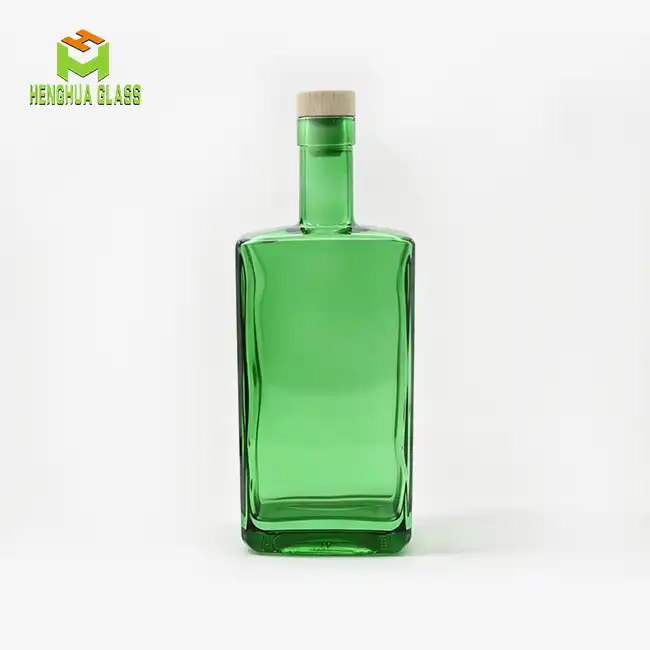
Understanding the Impact of Bottle Shape on Your Rum Brand
The bottle you pick will live on as a quiet representative of your brand. When we think about how the design of the package affects people's minds, studies consistently show that people decide about the quality of a product within milliseconds of seeing it. Bottle form affects how much people think your rum is worth, what they expect it to taste like, and even the events they think of when they think of your rum.
Historical Context and Cultural Significance
Traditional rum bottles have changed over time from simple containers to clever ways to promote a brand. In the past, Caribbean rum bottles were usually tall and thin, which showed class and polish. Spiced rum brands, on the other hand, tended to use shorter, thicker bottles that showed strong tastes and ease of access. Knowing about these historical connections helps purchasing managers make sure that the bottles they choose meet the needs of the target market. Modern craft breweries often don't follow the rules. For example, they might use odd shapes to show that they are innovative and of high quality, which appeals to millennials and Gen Zers who value originality and uniqueness.
Shelf Presence and Competitive Positioning
When there are a lot of rum names in a store, the form of the bottle makes it easy to tell them apart. Different shapes, like those that are sharp, bent, or based on architecture, make things easier to see from a variety of angles. Heavy-based bottles show that they are high-end and stable, while light-based forms may show that they are easy to get and fun to use every day. It's also important how the bottles feel when you pour from them. Ergonomic design makes them easier to hold and pour from, especially in bars and restaurants where speed and grip are important.
Logistics and Operational Efficiency
Beyond how it looks, the shape of a bottle has a direct effect on how well the supply chain works. When compared to circular shapes, square or rectangular bottles make better use of box space and lower shipping costs per unit by up to 15%. How the bottle's weight is distributed affects how often it breaks during transport. Center-of-gravity designs that are well thought out reduce damage claims. When handling large-scale buying contracts, where small cost savings add up to big budget effects across thousands of units, these practical factors mean a lot.
Key Factors to Consider When Designing Custom Glass Rum Bottles
When designing a custom glass rum bottle, you have to find a balance between your artistic idea and the needs of the market and the technical specs. Successful bottle development combines the properties of the material, following the rules, and sharing the story of the brand into a single package that works well across a variety of marketing platforms.
Material Quality and Structural Integrity
Extra flint glass is used to make high-quality custom glass rum bottles because it is very clear and brings out the natural color of the liquid, which is especially important for old rums where amber colors show wisdom and skill. The thickness of the glass directly affects how long it lasts. For example, bottles meant for foreign markets usually have walls that are 3–4 mm thick to withstand the rough conditions of shipping in containers and being handled at many places. Our thickened bottle body design will make sure that your product gets to you undamaged, protecting both your liquid investment and your brand's image.
Hydrolytic resistance is also very important because rum has a lot of alcohol (usually 40% ABV or more), so it needs non-reactive glass that keeps the taste pure over a long period of time. Type III glass standards make sure that minerals don't leak out, so the distiller's desired taste profile stays the same. Our smooth inner wall design specifically keeps aromatic compounds from oxidizing, so the taste and smell that make top rums unique are kept.
Capacity Options and Market Alignment
The bottle amount choice should be based on what the target market wants and when they will be using it. The spirits business has standardized on a few key capabilities, each of which is used for a different reason. The 750ml size is the most common size in stores in North America and Europe, making up about 70% of all rum sales. We also have 500ml sizes that are popular in Asian markets, 1000ml sizes that are popular with value-conscious shoppers, and specialty forms like 100ml, 200ml, 16oz, 18oz, and 32oz sizes that are good for sampling programs, travel retail, and hospitality uses.
Shipping prices and storage density are directly related to capacity. Larger sizes cut down on packaging trash and per-milliliter costs, which makes them appealing to buyers who care about the environment and buying managers who want to save money. Smaller bottles make prices more reasonable and allow people to try before buying, which helps new names get into new markets. With our flexible capacity choices, you can make your products fit specific routes of distribution, which helps you reach more customers and make more money.
Sustainable Design and Regulatory Compliance
Environmental duty has gone from being a differentiable trait to a standard that everyone must meet. More and more, modern buying rules call for bottles that are made to be recycled easily, use less material, and work with circular economy efforts. Using lightweight bottle engineering to cut the weight of glass by 20–30% without affecting its structural integrity can help meet environmental goals while also lowering material costs and emissions.
Our manufacturing methods are certified by international organizations like CE, FDA, SGS, and LFGB. This makes sure that your custom glass rum bottles meet safety standards in all places around the world. These certificates show that the strict rules for controlled alcohol packaging are met in terms of the glass's composition, the cleanliness of the manufacturing process, and the quality control processes. Compliance paperwork makes it easier to clear customs and lowers regulatory risk when you enter new markets. This keeps your supply chain from being held up, which can cost a lot of money.
Comparison of Popular Custom Glass Rum Bottle Shapes
There are a lot of different bottle forms for rum, and each one communicates different brand traits and practical benefits. When you know what the strategic effects of shape choice are, you can make decisions about buying that match packaging with positioning strategy.
Traditional Round and Cylindrical Designs
The most popular shape for a custom glass rum bottle is still the classic cylindrical shape, which has a number of useful benefits. Round bottles spread stress equally across the glass's surface, making the structure as strong as possible for the amount of material used. This shape makes automatic bottling lines work better because fill heads and marking tools work best with cylindrical shapes. People who want real rum experiences with roots in the Caribbean will like the familiar shape, which makes them feel safe and loyal.
Different types of closures work well with cylindrical shapes. Screw caps close well and make things easier for the customer, while T-cork and bar-top ends make things look better. Our bottles have very accurate neck finish margins of less than 0.5 mm. This makes sure that they work perfectly with standard closure systems and stops leaks that hurt a brand's image.
Square and Flask-Shaped Bottles
As craft rum makers try to make their products stand out visually, angular bottle forms have become popular. When you put square bottles on a shelf, you can fit more of them on there, which means you can show more products per linear foot of room. The flat surfaces make great blank canvases for applying labels and decorating, which makes brand messages stand out.
Flask-shaped bottles look like they belong in a seafaring history or an adventure story. This works especially well for spicy rum brands that are trying to appeal to younger people. Often, these styles have raised features, rough surfaces that make them easier to hold on to in wet bars, and heavy bases that keep them from tipping over. People will remember the brand because of its unusual shape, but it may need special packaging that adds a little to the cost of shipping.
Luxury and Bespoke Designs
More and more, architectural bottle designs for high-end rum brands are using complicated shapes, surfaces with many angles, and sculptural elements. When you're in a duty-free store, these custom forms stand out on the shelves and explain prices that go over $100 per bottle. The bottle becomes a collectible item that keeps people interested in the brand even after they've finished drinking it, thanks to decorative features like writing on the inside, gold stamping and bronzing on the outside, and the ability to choose from amber, clear, blue, or custom colors for the outside.
Full ODM/OEM services are supported by our extensive customization options. This lets you create unique bottle forms that become valuable brand assets. We offer 3D modeling help, mold making with sample times of 15 to 20 days, and decoration services like screen printing, thermal transfer printing, spray painting, and clear finishing. These services that add value make it harder for others to copy and build brand loyalty in markets that are competitive.
How to Choose the Best Custom Glass Rum Bottle Supplier for Your Brand
Choosing the right supplier has a big impact on the quality of the product, the dependability of the supply chain, and the value of a long-term relationship. The right manufacturing partner gives you more than just bottles; they also give you technical know-how, the ability to grow, and strategy support that helps your business grow.
Manufacturing Capabilities and Quality Assurance
Look at how much a possible provider can produce, how advanced their technology is, and how strict their quality control is. Ten sets of 150-ton glass melting furnaces with fully automatic production lines are used at our plant. Each furnace can make one million units per day. This scale guarantees reliable order delivery even during high-demand times, like the holidays and summer, when rum sales are at their highest.
Protocols for quality control should include more than one review step. We use polariscope analysis for annealing stress tests to get rid of internal pressures that cause things to break on their own. Automated "go/no-go" scales check the dimensions and make sure the fill point is accurate to within ±1% to 2%. This keeps the amount consistent across production runs. Surface integrity checks find and get rid of flaws like mold splits, seeds, and stones that make the surface look bad. Each bottle goes through pendulum impact testing and 24-hour leaking verification with real closing systems, which are meant to mimic how the bottles would be transported and stored in the real world.
Cost Structure and Supply Chain Flexibility
Clear price models and a range of minimum order numbers make it possible to plan purchases well. Our ability to keep costs low, which comes from 20 years of knowledge in manufacturing and better supply chain management, lets us offer reasonable prices without sacrificing quality. This balance takes into account the constant stress that procurement managers feel between having to stick to a budget and meeting brand appearance standards.
When planning custom glass rum bottle projects, it's important to understand the MOQ factors. Fully customized mold designs usually need pledges of 10,000 to 30,000 units, depending on how complicated they are. On the other hand, our large catalog of flexible stock shapes lets you start customizing at smaller numbers. We can send goods from stock right away, and our lead times are set at 25 days for samples and 30 days for mass production. This way, we can accommodate both quick market testing and large-scale rollouts.
Value-Added Services and Partnership Support
Differentiated providers do more than just make things; they also offer full packaging options. We offer matching cap sourcing for wood, metal, and plastic in gold, silver, white, black, and custom colors. We also coordinate brand printing and labeling and make custom packing boxes. This one-stop method makes the buying process easier, cuts down on the work of managing vendors, and makes sure that all of the package parts have the same design.
As a sign of our dedication to relationship success and risk reduction, we offer free sample supply and transportation loss compensation. Technical advice during the design process helps with problems like figuring out if the mold will work, choosing the right painting method, and making sure the design follows all the rules. As your rum collection grows and market needs change, long-term relationship support can adapt to meet the needs of your brand.
Practical Steps to Design and Order Your Custom Glass Rum Bottle
A custom glass rum bottle program that works well needs to be carefully planned and carried out by brand teams, artists, and factory partners working together. This organized method cuts down on risks and speeds up the time it takes to get a product to market.
Define Brand Positioning and Target Market Requirements
To start, write down your brand's main qualities, the types of people you want to buy it, and your plan for competing with other brands. For example, a heritage-focused expensive rum aimed at spirits fans needs different bottle features than a flavored rum meant for casual mixing. Write down must-have features like required size, preferred closures, and decoration methods that match the brand's image. Look into the packaging that your competitors in the same price range use to find ways to set yours apart without making it look like everyone else's.
Collaborate on Design Development and Prototyping
Work with the design team of your seller to turn brand ideas into technical specs. We offer CAD modeling services that let you see bottle forms from different angles, which helps everyone agree on the mold before it's made. Samples are made for testing during the sampling phase, which lasts 15 to 20 days. These prototypes can be touched, their labels can be fitted, and they can stand out on the shelf, which are all things that computer images can't fully show. Iterative revision at this stage keeps changes that would be expensive after production starts from happening.
Verify Regulatory Compliance and Testing
Make sure that the bottle's specs meet all safety and marking rules for the target markets. In North America, certain marks and recycling symbols are required. In Europe, on the other hand, more environmental compliance paperwork is needed. Drop tests, temperature shock tests, and closing compatibility checks should all be done with real liquid to find possible failure points before mass production. Our collection of certifications, which includes paperwork from CE, FDA, SGS, and LFGB, makes this confirmation process easier.
Optimize Procurement Volumes and Logistics Planning
Figure out the best order sizes by weighing the costs of keeping goods against the cost of shipping each item and the time it takes to deliver. The economics of containerized shipping support full containers because they lower the cost of freight by a lot per bottle. Time deliveries should be coordinated with bottling plans and marketing launch calendars. Allow enough time for customs clearance and quality check after delivery. We adapt to different supply chain setups so that we can meet the packing and shipping needs of our customers.
Finalize Artwork and Launch Preparation
Finish designing the labels, the closures, and any other packaging that will be used, making sure that all of the parts fit together perfectly. Check the color precision, registration alignment, and decoration quality against accepted samples as part of the pre-production approval process. This last checkpoint stops differences in production that could lead to expensive repeats or a delay in bringing the product to market. During this finalization phase, our experienced production team uses its decades of knowledge to look ahead and solve any problems that might come up.
Conclusion
The form of the bottle you choose has a huge impact on the success of your rum brand in the market. It changes how customers see the brand and how efficiently it runs. We've looked at how smart bottle design improves brand recognition, the technical factors that make sure quality and compliance, and the traits of suppliers that help long-term growth. If you choose the right custom glass rum bottle, it becomes more than just packaging. It becomes an asset to your business that communicates values, supports positioning, and gives customers unique experiences. By using the models we've talked about here, procurement managers can make smart choices that balance their vision for how things should look with the practical needs of their customers. This will help them come up with packaging solutions that help their rum brands stand out in markets that are getting more and more competitive.
FAQ
Why choose glass bottles over plastic for premium rum packaging?
Glass is still the best material for rum packaging because it forms a better buffer that keeps the taste intact and stops alcohol from evaporating. Unlike plastic options, glass completely blocks oxygen, which means that the complex aromatic compounds in aged rums keep their original flavor throughout the shelf life. Glass also sends a high-end image well; studies on how people see spirits in glass bottles constantly show that higher prices are worth it and that the bottles are well-made. Because the material can be recycled, it fits with environmental concerns that are becoming more important to both purchasing managers and end users. This makes glass the smart choice for brands that want to build long-term market value.
What are typical lead times for custom rum bottle design and production?
The process of making a custom rum bottle follows a set schedule that starts with design advice and CAD modeling. This can take anywhere from 5 to 7 days, based on how complicated the bottle is. Making the mold and the first model takes 15 to 20 days. This gives you time to test the product physically before committing to mass production. Once the model is approved, full production runs can begin, and most orders are finished within 30 days. For events that need to happen quickly, there are choices for rush production, but the normal schedule ensures the best quality control. Planning procurement processes around these dates—ideally, starting design work 60 to 90 days before delivery is needed—avoids expensive rush fees and makes sure there are enough tests and approval times.
Can we incorporate our company logo and branding directly on the bottles?
Full branding integration is one of the main things that sets custom glass rum bottles apart from stock packaging. We offer a variety of ways to decorate, such as screen printing for clear brand reproduction, hot stamping and bronzing for shiny effects, thermal transfer printing for photo quality, internal engraving for a touch of class, and spray painting for full-coverage colorization. Each way has its own unique look and longevity that make it good for expressing different brands. When a mold is being made, the logo can be applied through embossing, which creates physical brand marks that boost expensive placement. Our design team works together on all artwork, making sure that it is technically possible and has a strong visual effect that improves brand recognition everywhere a customer interacts with it.
Partner with Henghua for Premium Custom Glass Rum Bottle Solutions
The packaging for your rum brand should show its unique personality and business goals. At Henghua, we offer custom glass rum bottle options that are made to fit your exact needs. We have over 20 years of experience making glasses and can make any changes you want. The factory we have in Jiangsu, China, follows international licensing rules and has enough production capacity to keep both new names and well-known distilleries supplied. Whether you need unique bottle shapes, unique ways to decorate them, or full planning of the packing, our team is here to help you every step of the way during the development process. We invite you to learn more about what we can do as a reliable maker of custom glass rum bottles. We offer low factory-direct prices, adjustable MOQs, and reliable global shipping. You can email our team at denny@henghuaglass.com to talk about your project needs, get free samples, and find out how our products can help your rum brand stand out in the market.
References
1. Robertson, G. L. (2016). Food Packaging: Principles and Practice (3rd ed.). CRC Press.
2. Ampuero, O., & Vila, N. (2006). Consumer perceptions of product packaging. Journal of Consumer Marketing, 23(2), 100-112.
3. Klimchuk, M. R., & Krasovec, S. A. (2012). Packaging Design: Successful Product Branding From Concept to Shelf (2nd ed.). John Wiley & Sons.
4. Steenis, N. D., van Herpen, E., van der Lans, I. A., Ligthart, T. N., & van Trijp, H. C. (2017). Consumer response to packaging design: The role of packaging materials and graphics in sustainability perceptions and product evaluations. Food Quality and Preference, 53, 24-33.
5. Rettie, R., & Brewer, C. (2000). The verbal and visual components of package design. Journal of Product & Brand Management, 9(1), 56-70.
6. Barnett, A., & Velasco, C. (2016). How design influences the perception of spirits: A multisensory perspective. Beverage Industry Magazine, 107(4), 38-42.
Learn about our latest products and discounts through SMS or email