- English
- French
- German
- Portuguese
- Spanish
- Russian
- Japanese
- Korean
- Arabic
- Irish
- Greek
- Turkish
- Italian
- Danish
- Romanian
- Indonesian
- Czech
- Afrikaans
- Swedish
- Polish
- Basque
- Catalan
- Esperanto
- Hindi
- Lao
- Albanian
- Amharic
- Armenian
- Azerbaijani
- Belarusian
- Bengali
- Bosnian
- Bulgarian
- Cebuano
- Chichewa
- Corsican
- Croatian
- Dutch
- Estonian
- Filipino
- Finnish
- Frisian
- Galician
- Georgian
- Gujarati
- Haitian
- Hausa
- Hawaiian
- Hebrew
- Hmong
- Hungarian
- Icelandic
- Igbo
- Javanese
- Kannada
- Kazakh
- Khmer
- Kurdish
- Kyrgyz
- Latin
- Latvian
- Lithuanian
- Luxembou..
- Macedonian
- Malagasy
- Malay
- Malayalam
- Maltese
- Maori
- Marathi
- Mongolian
- Burmese
- Nepali
- Norwegian
- Pashto
- Persian
- Punjabi
- Serbian
- Sesotho
- Sinhala
- Slovak
- Slovenian
- Somali
- Samoan
- Scots Gaelic
- Shona
- Sindhi
- Sundanese
- Swahili
- Tajik
- Tamil
- Telugu
- Thai
- Ukrainian
- Urdu
- Uzbek
- Vietnamese
- Welsh
- Xhosa
- Yiddish
- Yoruba
- Zulu
What are 500 ml spirit bottles used for?
500 ml spirit bottles are precision-engineered glass containers primarily used for distilled spirits like rum, vodka, whiskey, and gin, offering a versatile mid-range option between 375 ml and 750 ml sizes that balances consumer convenience, premium presentation, and cost-effectiveness. Their applications span sampling, travel retail, retail distribution, and gifting, making them a critical component in the spirits packaging supply chain. For procurement managers, packaging directors, and supply chain professionals, it is essential to understand the diverse applications, technical specifications, material options, customization capabilities, supplier selection criteria, quality standards, and sustainability considerations of these bottles in order to make informed sourcing decisions that support brand differentiation, pricing strategy, and market expansion across craft distilleries, multinational spirits brands, and distribution channels.
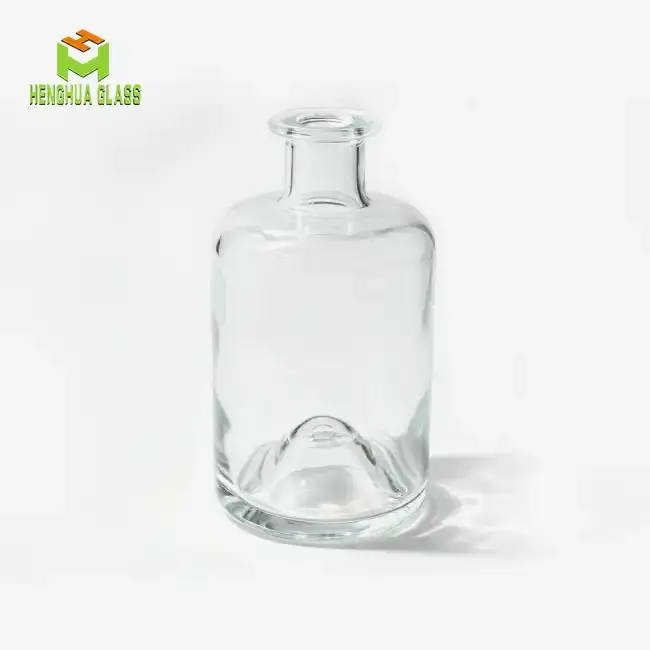
Understanding the Uses and Benefits of 500 ml Spirit Bottles
Retail Packaging for Premium and Craft Spirits
Craft producers and small booze brands often put their best-selling drinks in 500 ml spirit bottles. This arrangement lets them keep the high price per milliliter while giving customers a lower starting price than with 750ml bottles. Customers who want to try new brands or taste profiles but don't want to spend a lot of money on bigger bottles, like the smaller ones. This style is great for premium whiskey, artisanal gin, and small-batch rum makers because it shows exclusivity and skill while also being practical for both the maker and the consumer's wallet.
Product Sampling and Promotional Events
500 ml spirit bottles are used a lot by beverage companies and their marketing teams at trade shows, tasting events, and advertising campaigns. Unlike small bottles that only give you a short taste experience, this size gives you enough for multiple serves, so potential customers can fully enjoy the product's qualities over several occasions. This long-term involvement boosts brand recognition and sales rates, making it a useful tool for entering new markets and releasing new products.
Travel Retail and Duty-Free Markets
International airports and duty-free zones are important places to sell things, and 500 ml spirit bottles do very well there. For gift-giving or personal use while traveling, travelers like the medium size, and the shape makes it easier to fit in baggage than bigger bottles. The high-quality glass construction and flexible design choices let brands make eye-catching packaging that stands out in crowded stores, encouraging foreign customers to buy on the spot.
Limited Edition Releases and Collector Sets
For special launches, commemorative versions, and collector's series, distilleries often use 500 ml spirit bottles. This style lets makers sell experimental or rare spirits in amounts that keep them from being too hard to get. Designers of packaging can use complex customizing methods, such as hot stamping, interior embossing, screen printing, and decorative firing, to give products unique looks that make them more collectible and help tell the story of the brand.
The cumulative benefits of picking this capacity extend beyond marketing freedom. In terms of operations, 500 ml spirit bottles make the best use of pallet space and shipping efficiency, which lowers the cost of sending each unit and the carbon footprint it leaves behind. The shape also helps with production because different bottle sizes can be filled on filling lines with little switching time. This supports flexible manufacturing strategies that can quickly adapt to market needs.
Types and Materials of 500 ml Spirit Bottles Explained
Glass Specifications and Quality Standards
Extra flint or super flint glass, which is very clear and has almost no iron in it, is used to make high-end 500 ml spirit bottles. Henghua makes bottles out of high-transparency glass with a smooth surface that makes it easier to see the drink and understand the brand. The thickened bottle body design keeps the structure strong during automatic filling, storage on pallets, and delivery. In our manufacturing process, we use strict annealing methods that are checked with a polariscope to get rid of any leftover stress and stop parts from breaking on their own. This is an important quality control measure for keeping suppliers reliable.
Another important criterion is the accuracy of the measurements. Go/no-go gauges are used to check the measures of the mouth's inner and outer diameters to make sure they work with standard closing systems. Vertical load testing shows that each bottle can survive crushing forces greater than 3000N during palletization. Ultrasonic thickness gauges check the wall distribution to find possible weak spots at the base and sides. These technical factors make sure that the equipment works the same way in high-speed production settings where filling lines can make up to 6,000 units per hour.
Color Options and Functional Benefits
The color of the glass you choose affects both how it looks and how long it lasts. Clear (flint) glass makes the liquids look better by letting people see their color and sharpness. This is especially important for fine vodka, white rum, and silver tequila. Amber-colored bottles block UV rays better, which is important for botanical-heavy drinks like gin or absinthe, where light-induced oxidation can ruin the flavors. There is something visually unique about blue glass that helps brands stand out in crowded stores. Henghua lets you change all of the colors, so brands can come up with their own colors that help people recognize their logos and visual identities.
Closure Systems and Sealing Performance
Choose the right closure for the product to keep it fresh, make it easy to reseal, and improve the customer experience. Our bottles come with caps made of wood, metal, plastic, and other materials. You can also choose from gold, silver, white, black, and unique styles for the caps. Screw cap closures with roll-type seals work great for packing spirits because they create hermetic seals that stop alcohol from evaporating and keep the percentage of alcohol over a longer period of time. The type of closing must perfectly match the neck finish requirements. Common sizes are 28mm, 30mm, and 31.5mm widths made to GPI or STELVIN standards.
People who want real, heritage-driven brands will like wooden caps because they show traditional values and handcrafted skills. Metal locks with decorative finishes give off an air of class and luxury, making them perfect for super-premium placement. Plastic seals have practical benefits like being lighter and having features that make it impossible to open without leaving a mark. They are also cost-effective for value-oriented product lines. Each choice of material should express a different aspect of the brand and be in line with the general positioning strategy.
Customization and Surface Treatments
Modern technology for glass packaging lets bottles be customized in a lot of different ways, which makes them powerful brand assets. Hot stamping, internal engraving, screen printing, artistic firing, thermal transfer printing, spray painting, and transparency effects are just some of the unique services that Henghua provides. With these methods, buying teams can make packaging that tells interesting brand stories and connects with target customers on an emotional level.
Metallic or colored foils are applied to glass surfaces by hot pressing. This makes ornaments that reflect light and stand out in store lighting. Internal carving creates three-dimensional images inside the glass, providing superior visual and physical effects that don't wear down during distribution. Screen printing makes it possible to reproduce names, text, and design elements accurately. The prints last a long time and keep their colors bright. The smooth inner wall construction keeps spirit smells inside while still being compatible with different ways of decorating.
Technical customization includes more than just decorating the bottle. It also includes changing the shape of the bottle and its volume (500ml, 750ml, 16oz, and 18 oz forms) and adding special touches like embossed textures or comfortable grip patterns. Our design team works with clients to create custom models that make goods stand out and trademark bottle shapes that can be recognized around the world.
How to Choose the Best 500 ml Spirit Bottles for Your Business
Defining Product Compatibility Requirements
First, you should look at the chemical makeup of your drink product. Material specs are affected by the amount of alcohol, botanicals, aging needs, and shelf life. High-proof drinks need bottles that can handle temperature changes of 40°C or more without breaking. Amber or UV-coated glass is good for protecting products with essential oils or plant extracts from breaking down when exposed to light. For safe storage of up to 6 bars of pressure inside, carbonated spirit mixes or sparkling liqueurs need a stronger base and heavier glass.
Evaluating Supplier Reliability and Certification
Quality control starts with choosing the right provider. Manufacturers with globally known certifications like ISO 9001, FDA approval, LFGB compliance, and SGS verification should be given priority. These credentials show that the person follows safety rules for food and good quality control. Henghua keeps up with all the necessary certifications to make sure that our glass packing meets all the rules in the North American, European, and Asian-Pacific markets.
Cost-Effectiveness and Volume Considerations
Minimum order amounts are an important factor in purchasing things. For standard 500 ml spirit bottles, the MOQ is usually between 10,000 and 30,000 units. For custom-molded designs, the MOQ is between 20,000 and 50,000 units, based on how complicated the molds are and when the furnaces are scheduled. Henghua's integrated supply chain and cost control skills allow for low prices without lowering quality standards. This helps meet budget goals in a variety of procurement situations.
Aside from unit price, you should also look at the total cost of ownership, which includes things like shipping, replacement rates, storage space needed, and the cost of keeping goods on hand. Our transportation loss compensation program lowers the financial risk during shipping, and our free samples let you see how they work before committing to large orders. These extra services add value and make it easier to make buying choices.
Customization Strategy and Brand Differentiation
Customizing the packaging turns ordinary packages into valuable brand assets. Our full ODM/OEM services include designing shapes, making changes in 3D, adding logos using a variety of decoration methods, and creating unique packages like gift boxes and presentation sets. The ability to make unique bottle designs sets them apart visually, which helps them stand out on shelves and supports strategies for charging higher prices.
Decisions about customization should be based on what the target customer wants and what the retail outlet needs. For super-premium names, fancy decoration methods like gold stamping, internal carving, and multicolor printing send a message of quality and uniqueness. Cost-effectiveness is achieved by value-oriented brands using standard forms and only customizing the labels and cap styles. Our design consulting services help procurement teams figure out these trade-offs and get the most out of their package purchases.
Maintenance, Safety, and Environmental Impact of 500 ml Spirit Bottles
Hygiene Protocols and Cleaning Procedures
Glass boxes that are going to be used to package spirits have to be cleaned very well to get rid of particulate residue, production oils, and microbiological dangers. Most production sites use multi-stage washing systems that include processes with alkaline detergents, high-pressure rinsing, and drying with sterile air. Premium bottles have smooth inner walls that make them easy to clean thoroughly and keep dust from building up, which could lower the quality of the spirit.
Storage and Transport Safety Guidelines
When you properly palletize and secure your loads, they won't break during distribution. Vertical load tests are done on bottles to make sure they are structurally strong, but it is still important to be careful when handling them. Stack heights should follow what the maker says. Depending on the weight of the bottles and the thickness of the glass, pallet stacks should usually be limited to five or six levels. During travel, vibration and impact are kept at bay with cushioning materials and stretch wrap stability.
Temperature control during storage stops thermal shock, which can cause stress cracks in glass. Do not let the temperature of full bottles change quickly, more than 20°C per hour. Climate-controlled storage keeps the conditions stable so that the quality of the spirit and the purity of the package are both maintained throughout the distribution cycle.
Environmental Footprint and Sustainability Practices
Glass packaging is easier to recycle than other materials, which supports the circular economy concepts that are being required more and more by business sustainability promises and regulatory frameworks. Glass is a good choice for brands that care about the environment because it can be recycled over and over again without losing any of its quality.
When Henghua makes things, they use recovered glass and energy-efficient melting methods that lower the amount of carbon dioxide released per unit. Our dedication to caring for the environment includes optimizing packing in a way that uses the least amount of materials while still keeping structural integrity. If procurement workers want to improve sustainability metrics, they can use our technical know-how to come up with lighter bottle designs that are better for the environment without hurting brand image or product safety.
Innovation in eco-friendly packaging comes from brand owners and glass makers working together. In closed-loop supply chains, new strategies like returnable packing systems, refillable bottle programs, and design-for-recycling principles are turning packaging from a throwaway good to a valuable resource.
Market Insights and Procurement Options for 500 ml Spirit Bottles
There are many different ways to buy 500 ml spirit bottles around the world, and each one has its own benefits based on your needs for volume, flexibility, and strategic goals.
Wholesale and Bulk Purchasing Channels
Direct plant buying is the most cost-effective way to buy things in large quantities. Manufacturers like Henghua offer factory-direct prices, which cuts out markups for middlemen and help with margin and competitive placement. Our wide range of products includes both standard inventory items that can be shipped right away and special making services for unique designs.
Digital procurement platforms, such as specific B2B markets, make it easier to find suppliers and start working with them. These channels make pricing, minimum order quantities, and wait times clear, which makes it easy to do basic screening before going through more in-depth seller qualification processes. Direct connections with manufacturers have benefits that platform-mediated transactions can't match, such as technical help, resolving quality issues, and the chance to work together on new ideas.
Customization and Branding Value Proposition
Differentiating the packaging gives you a big edge in places that are already full of drinks. You can make your own bottle designs, use surface decoration to tell a story about your brand, and make coordinated package systems with caps, labels, and gift boxes. These visual marks help people recognize your brand and stay loyal to it.
Once the mold is approved, it usually takes 25 days to make samples of customized bottles and 30 days to make a lot of them. To make sure that packing is available on time for product launches, marketing calendars, production schedules, and delivery plans must all work together with these deadlines. Our project management skills and production monitoring tools help make sure that complicated supply chain networks work together smoothly.
Pricing Trends and Competitive Intelligence
The prices of raw materials, energy, labor, and shipping costs that go into making glass boxes change depending on where it is sold and when it is made. Purchasing managers can make better budgeting and strategic sourcing choices when they have ties with suppliers that give them information about the market and clear prices.
Long-term supply deals and volume promises can often get you access to better prices and dedicated production capacity. Our customer-focused approach puts building partnerships over transactional relationships. We offer value through consistent quality, reliable delivery performance, and quick customer service that helps your business reach its goals throughout market cycles.
Conclusion
When making a smart choice about 500 ml spirit bottles, you have to weigh technical requirements, quality standards, customization options, and the supplier's abilities. These containers are important parts of the packing used in the spirits industry because they can be used for a wide range of purposes, such as retail distribution, advertising samples, travel retail, and limited edition releases. Glass material gives a quality brand image, better product preservation, and environmental benefits that are in line with changing customer tastes and companies' pledges to being responsible. For procurement to go well, seller certifications, output capacity, customization services, and total cost must all be carefully looked at. Brands can turn packaging from something that is needed to do its job into a powerful marketing tool that helps them stand out and make money by working with experienced makers who offer full technical support and reliable supply chain performance.
FAQ
What is the difference between a screw cap and a cork on a spirit bottle?
Traditional workmanship and heritage brand values are shown through cork closures on a 500 ml spirit bottle, which create unique opening routines that improve the customer experience. They close well enough for old spirits, but they may let some water evaporate over long periods of time. Screw cap covers do a better job of hermetically closing, which keeps the product consistent throughout its shelf life and stops alcohol from evaporating. They are easy to reseal and don't pose the risk of cork taint. The choice relies on how the brand is positioned, what the target customer wants, and how the product works.
Can spirit bottles be safely reused or refilled?
For businesses to replace spirit bottles, they have to follow the rules that guide the making and selling of alcohol. For industrial refilling operations to work, they need to follow strict rules for cleaning, sanitizing, and quality checking. Before they can be refilled, bottles must be checked for chips, cracks, or contamination. After the right washing, consumer-level reuse for non-commercial uses is usually safe, though repeated heat cycling may weaken the glass over time. Before starting refilling programs, you should always make sure they are in line with regulations.
What are the best practices for recycling bulk quantities of glass bottles?
To get the most out of recycling and keep the quality of the materials, glass bottles should be sorted by color (clear, amber, and blue). When you can, take off the caps and labels, but modern recycling centers can still handle bottles with the closures on. Work with approved recycling processors that can back up their sustainability reporting standards with proof. A lot of cities and industrial recycling services offer large pickup programs for companies that make a lot of glass trash.
Partner with Henghua Glass for Your 500 ml Spirit Bottles Supply Needs
Henghua is ready to be your reliable 500 ml spirit bottle maker and seller. They can give you high-quality 500ml spirit bottles and have been making them well for over 20 years. Our factory in Jiangsu, China, has both large-scale production capabilities and strict quality control to make sure that every bottle meets worldwide safety standards set by CE, FDA, SGS, and LFGB. We offer a wide range of customization services, such as hot stamping, internal engraving, unique color development, and custom bottle shapes, which allow us to turn your brand's idea into package solutions that are ready for the market.
Our stable supply chain system and cost control skills allow us to offer reasonable prices without sacrificing quality. This helps small distilleries, global spirits brands, and beverage distributors meet their purchasing goals. With 10 melting furnaces that can each make up to a million units a day, we can ensure on-time delivery of both stock items and special orders. Contact our team at denny@henghuaglass.com to see all of our products, ask for free samples, and learn how our ODM/OEM services can improve the way you package your drinks.
References
1. Anderson, M. & Thompson, R. (2023). "Glass Packaging in the Global Spirits Industry: Technical Standards and Market Trends." Journal of Beverage Packaging Technology, 18(3), 145-162.
2. International Spirits & Wines Association. (2024). "Packaging Innovation and Consumer Preferences in Premium Alcohol Markets." Annual Industry Report, ISWA Publications.
3. Chen, L., Rodriguez, P., & Kim, S. (2023). "Sustainable Glass Manufacturing: Environmental Impact Assessment and Circular Economy Applications." Environmental Packaging Science Quarterly, 12(4), 78-94.
4. Global Packaging Standards Institute. (2024). "Quality Control Protocols for Food-Grade Glass Containers: ISO 9001 Implementation Guide." Technical Standards Documentation," GPSI Press.
5. Williams, J. & Patel, N. (2023). "Strategic Packaging Decisions in Craft Distillery Operations: Capacity Selection and Brand Positioning." Small Business Beverage Management Review, 9(2), 112-128.
6. European Glass Container Federation. (2024). "Glass Recycling and Life Cycle Analysis: Industry Benchmarks and Best Practices." Sustainability Research Series, EGCF Publications.
Learn about our latest products and discounts through SMS or email