- English
- French
- German
- Portuguese
- Spanish
- Russian
- Japanese
- Korean
- Arabic
- Irish
- Greek
- Turkish
- Italian
- Danish
- Romanian
- Indonesian
- Czech
- Afrikaans
- Swedish
- Polish
- Basque
- Catalan
- Esperanto
- Hindi
- Lao
- Albanian
- Amharic
- Armenian
- Azerbaijani
- Belarusian
- Bengali
- Bosnian
- Bulgarian
- Cebuano
- Chichewa
- Corsican
- Croatian
- Dutch
- Estonian
- Filipino
- Finnish
- Frisian
- Galician
- Georgian
- Gujarati
- Haitian
- Hausa
- Hawaiian
- Hebrew
- Hmong
- Hungarian
- Icelandic
- Igbo
- Javanese
- Kannada
- Kazakh
- Khmer
- Kurdish
- Kyrgyz
- Latin
- Latvian
- Lithuanian
- Luxembou..
- Macedonian
- Malagasy
- Malay
- Malayalam
- Maltese
- Maori
- Marathi
- Mongolian
- Burmese
- Nepali
- Norwegian
- Pashto
- Persian
- Punjabi
- Serbian
- Sesotho
- Sinhala
- Slovak
- Slovenian
- Somali
- Samoan
- Scots Gaelic
- Shona
- Sindhi
- Sundanese
- Swahili
- Tajik
- Tamil
- Telugu
- Thai
- Ukrainian
- Urdu
- Uzbek
- Vietnamese
- Welsh
- Xhosa
- Yiddish
- Yoruba
- Zulu
Glass Bottles: From Exotic Imports to Artistic Expressions of Everyday Life
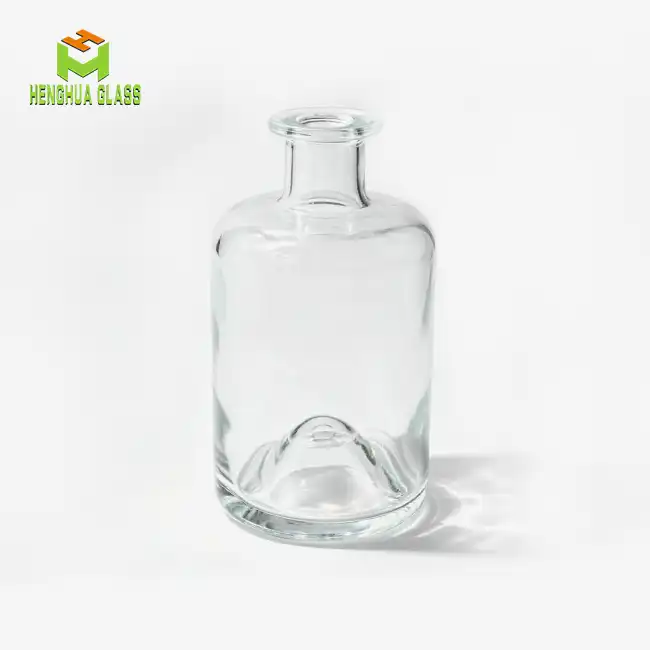
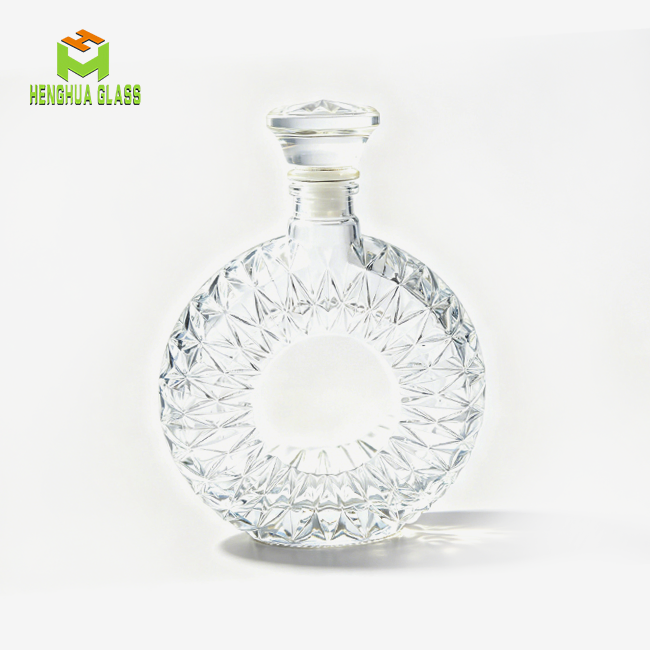
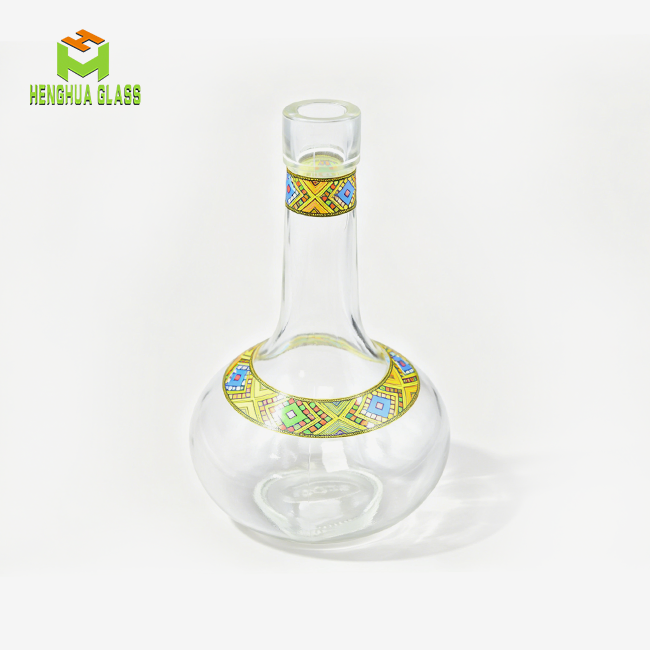
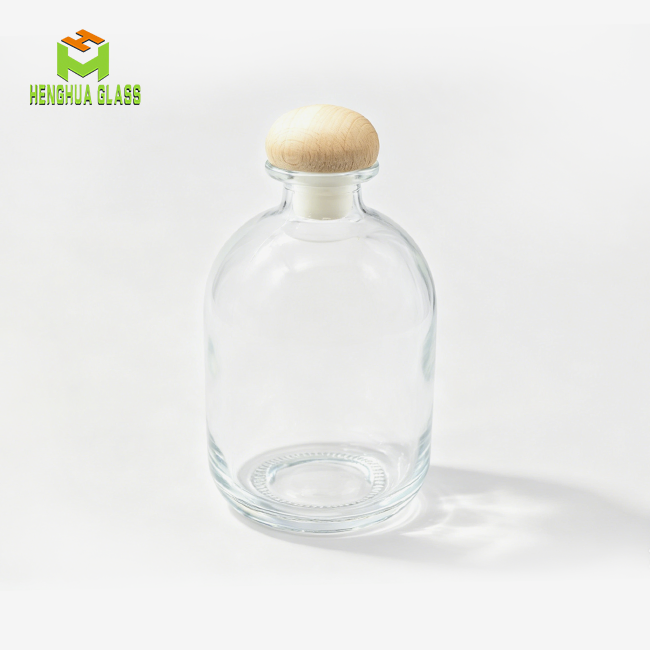
Since modern times, glass bottles have gradually replaced traditional pottery and bronzeware as the preferred containers for wine, beverages, and pharmaceuticals, thanks to their excellent chemical stability, airtightness, and barrier properties. During the Republic of China period, glass bottles became widespread in China. Because they were initially imported goods, they were colloquially called “foreign bottles” by the people. Today, they have become an integral part of everyday life, serving both practical and aesthetic purposes.
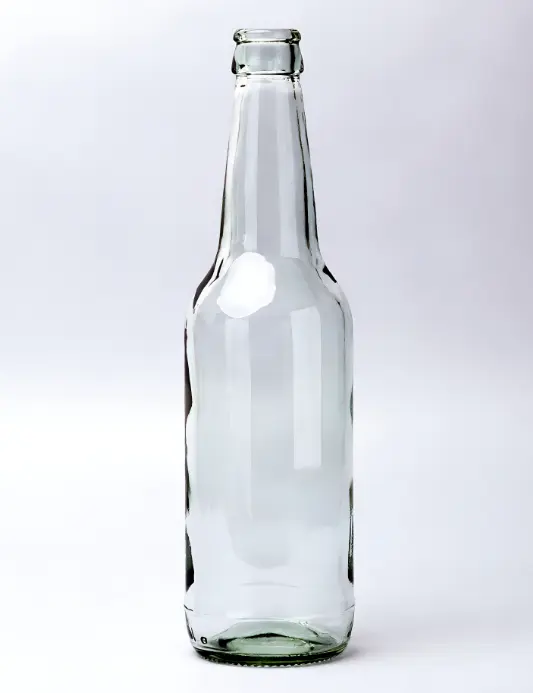
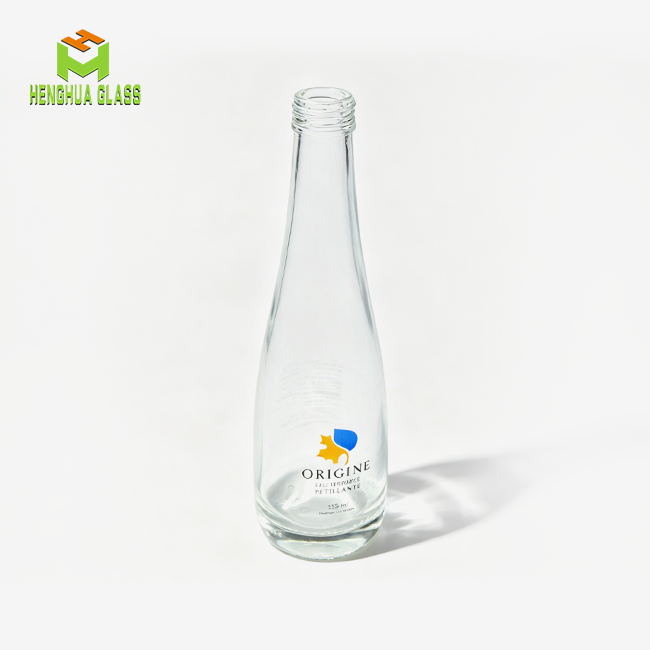
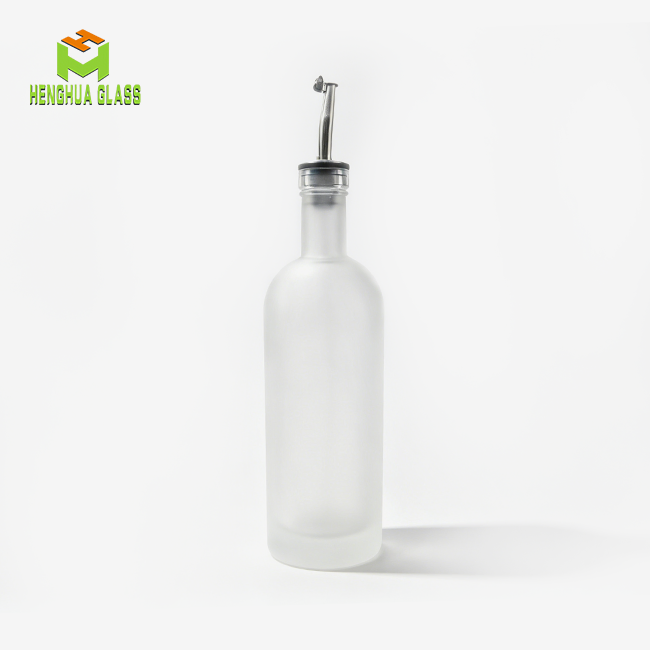
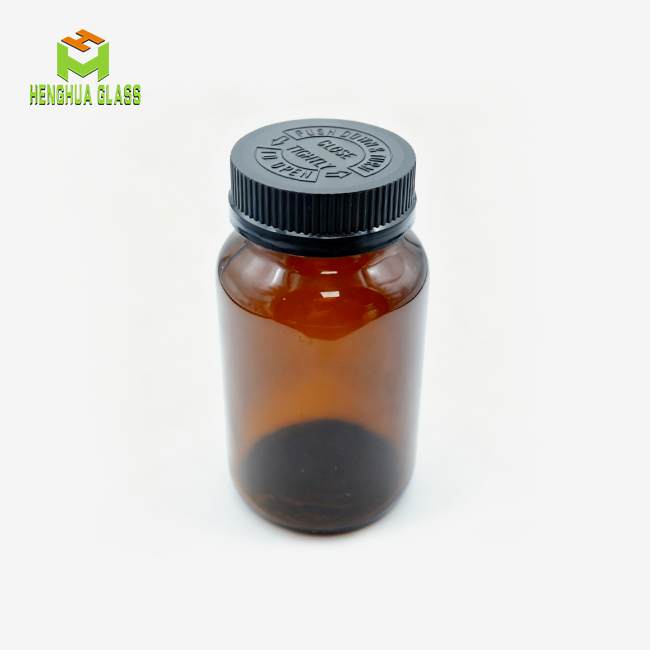
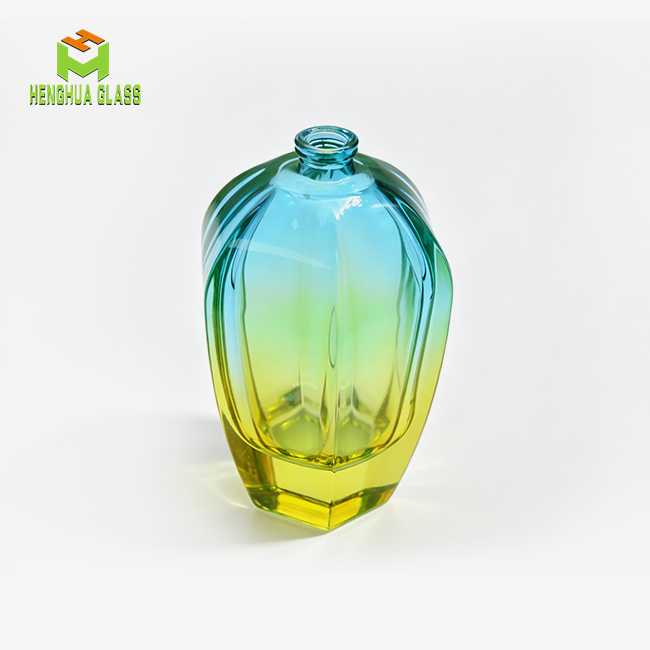
With advancements in manufacturing techniques, glass bottles now come in a variety of shapes and functions. From blown glass to molded glass, from transparent soda-lime glass to colored borosilicate glass, their design not only serves to preserve the contents but also becomes a medium for expressing brand culture and aesthetics. Whether it’s the crystal-clear bottles of Wuliangye or the visible fermentation process in homemade fruit wines, glass bottles create a visual connection between consumers and the products they contain.
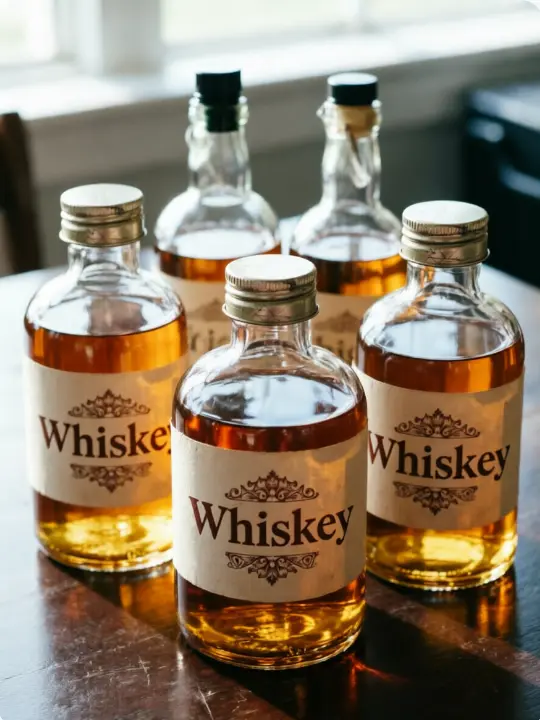
Beyond industrial use, glass bottles also play an important role in modern lifestyles. In an era focused on sustainability and creativity, discarded glass bottles are given new life—some are transformed into bedside lamps, vases, or pen holders, while others are used as storage containers for grains or ecological fish tanks. These creative reuses reduce waste and reflect the wisdom of sustainable living.
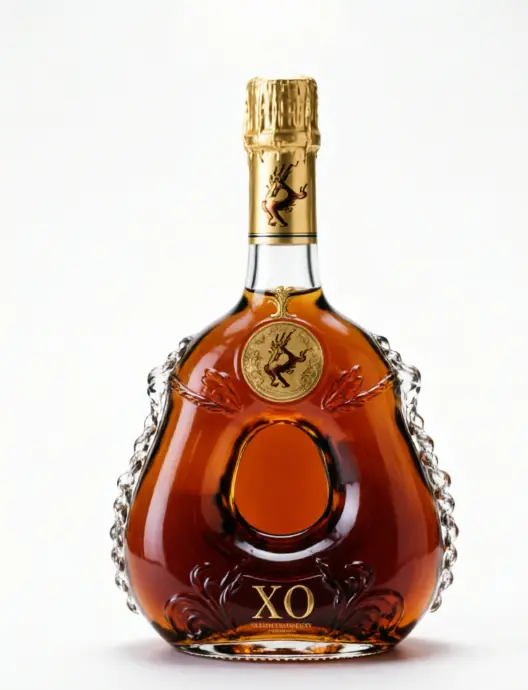
It’s worth noting that the history of glass bottles is much longer than we might imagine. Green glass bottles unearthed from the tomb of Li Jingxun from the Sui Dynasty in Xi’an prove that China already possessed glassblowing techniques and could produce exquisite glassware over 1,400 years ago. Today, glass bottles continue to evolve, blending tradition with innovation. They serve as witnesses to cultural exchange and embody the aesthetic values of everyday life.
Learn about our latest products and discounts through SMS or email