- English
- French
- German
- Portuguese
- Spanish
- Russian
- Japanese
- Korean
- Arabic
- Irish
- Greek
- Turkish
- Italian
- Danish
- Romanian
- Indonesian
- Czech
- Afrikaans
- Swedish
- Polish
- Basque
- Catalan
- Esperanto
- Hindi
- Lao
- Albanian
- Amharic
- Armenian
- Azerbaijani
- Belarusian
- Bengali
- Bosnian
- Bulgarian
- Cebuano
- Chichewa
- Corsican
- Croatian
- Dutch
- Estonian
- Filipino
- Finnish
- Frisian
- Galician
- Georgian
- Gujarati
- Haitian
- Hausa
- Hawaiian
- Hebrew
- Hmong
- Hungarian
- Icelandic
- Igbo
- Javanese
- Kannada
- Kazakh
- Khmer
- Kurdish
- Kyrgyz
- Latin
- Latvian
- Lithuanian
- Luxembou..
- Macedonian
- Malagasy
- Malay
- Malayalam
- Maltese
- Maori
- Marathi
- Mongolian
- Burmese
- Nepali
- Norwegian
- Pashto
- Persian
- Punjabi
- Serbian
- Sesotho
- Sinhala
- Slovak
- Slovenian
- Somali
- Samoan
- Scots Gaelic
- Shona
- Sindhi
- Sundanese
- Swahili
- Tajik
- Tamil
- Telugu
- Thai
- Ukrainian
- Urdu
- Uzbek
- Vietnamese
- Welsh
- Xhosa
- Yiddish
- Yoruba
- Zulu
Wide-Mouth vs. Narrow-Mouth Cold Brew Glass Bottles: Which Is Better?
It doesn't matter which shape wins. This choice is best if you use the bottle in a certain way. The best way to use a wide-mouth cold brew coffee glass bottle is to brew coffee in it. This is because grounds, filters, and brushes can easily fit through the opening. For ready-to-drink drinks, a narrow-mouth bottle is best because it pours smoothly, seals well, and looks good on a cold shelf. I always tell founders to aim for a small neck if you sell ready-to-drink coffee. A wide mouth is best if you brew from a bottle or run a café. I'll show how to decide below. send inquiry

What Is a Cold Brew Coffee Glass Bottle?
A Container Built Around Cold Extraction
You can brew, filter, store, serve, or carry cold coffee in a cold brew coffee glass bottle, which is made of food-safe glass. Because cold brew steeps for 12 to 24 hours, the bottle stays in the process for a lot longer than a normal drink bottle. Megan Fuller and Niny Rao's 2017 study in Scientific Reports showed that the amounts of caffeine and chlorogenic acid in cold brew change depending on how long it steeps, how dark the coffee is roasted, and how big the beans are that are used. In other words, the beer in your bottle might still be brewing. Some bottles are just used to store things. Some hold filter bags or straw inserts. Which mouth width you choose will depend on what your bottle is used for.
Why Glass Fits Cold Brew?
Since glass doesn't have pores, it doesn't soak up coffee oils or flavors from one batch to the next. It also blocks almost all gasses, which is important because oxygen dulls the smell of coffee over time. Clear glass lets the color of the beer stand out, while amber glass blocks UV light. Glass shows that the food is fresh and of good quality on a cold shelf in a way that PET often can't. The glass in our henghua bottles is very clear, and the body is thicker. The inside wall is smooth, which helps keep the aroma inside. Brands that want to stand out from plastic bottles should have those qualities.
What B2B Buyers Should Verify
Ask for the type of glass, whether it is safe for food contact, how well it handles heat, what the closure and gasket are made of, and records of its tracking before you place your order. If you're in the U.S. and your product or filling method is regulated by the FDA, you should ask for documents that match your product and filling method. Our products meet foreign standards like CE, FDA, SGS, and LFGB, and you can ask for the paperwork that goes with your order. Also, use a known way to check the capacity. ISO 8106 tells you how to use weight to figure out how much a glass container can hold. This lets you compare prices from different sellers in a fair way.
Wide-Mouth vs. Narrow-Mouth: Benefits, Limits, and Direct Comparison
Where Wide-Mouth Bottles Shine
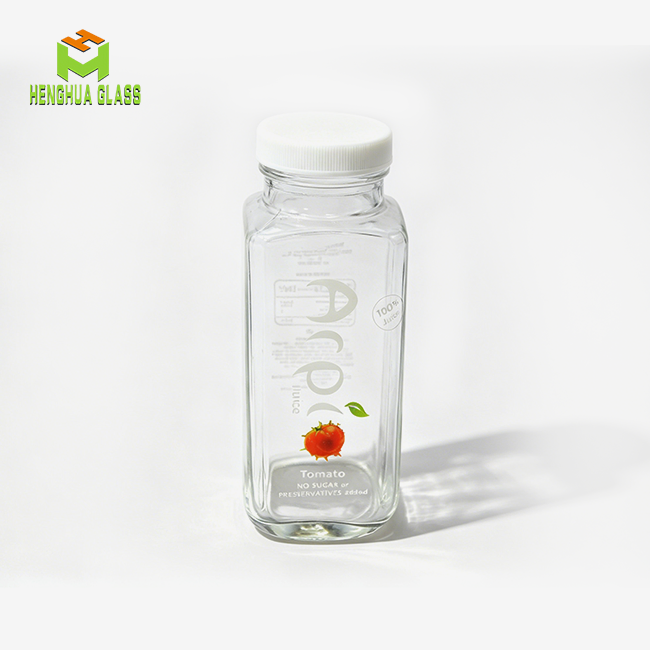
It's easy to pour in coarse grounds, drop in a mesh filter, and pull out wet grounds because the opening is big. It's good for home brewers, cafés testing recipes, and people making small batches of new products. Also, it's easier to clean because a brush can reach the bottom and show you any coffee oils that are still there. There are real trade-offs. An open bottle lets more air into the coffee because the wide mouth needs a lid that seals well. You might also need separate filter parts or a pour cap, which means you have more parts to find and try. Most of the time, those limits are fine if your recipes change often.
Where Narrow-Mouth Bottles Shine
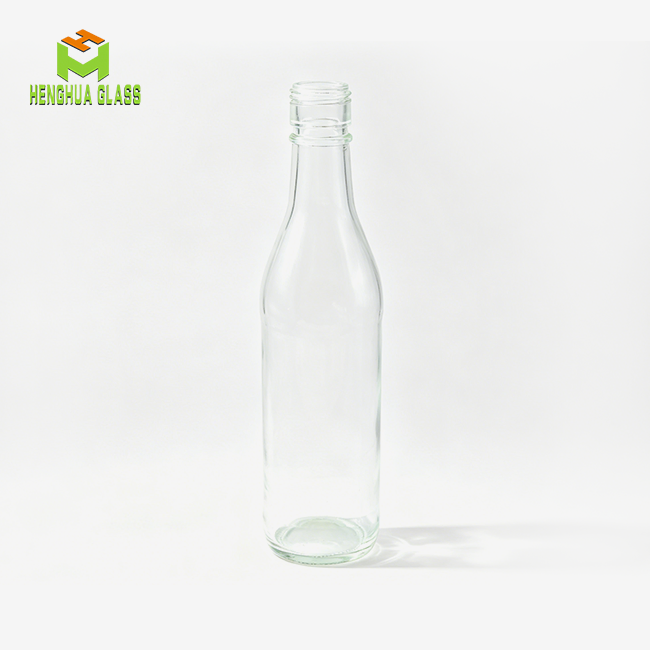
It's easier to pour from a narrow neck in a cold brew coffee glass bottle, and the bottle looks clean on the shelf. It works well with pour spouts, screw closures, and caps that face the customer, which is why hotels, cafés, and ready-to-drink brands use it a lot. The smaller opening also means that less air can reach the coffee while you pour or fill it. Labels and sleeve lines fit well when the neck and shoulder are made with labeling in mind. The main problem is getting to it. It takes more work to add grinds, pull filters, and scrub by hand. How clean you are is not just based on your neck size. It's more about the design, the materials, and how you clean it.
Side-by-Side Comparison
To make it easy for a buyer, this is how I compare the two forms.
- Wide-mouth makes it easy to clean, change recipes, and brew. It does the best job of letting you access removable filters and brushes, and it's easy to check visually. You should choose this option if the bottle is an important part of your production, if your staff ishes bottles by hand, or if you want your customers to be able to refill and brew their own coffee at home.
- Narrow-mouth fits finished drinks, store shelves, and food delivery. It makes it easier to use spouts and caps and gives you more control over how much you pour. It's the best choice when the brewing is happening somewhere else, when the filler needs a standard neck for capping, or when the bottle needs to look nice next to other cold drinks in a cooler.
A lot of brands use both types of bottles: wide-mouth bottles for production and narrow-mouth bottles for sales. With a small test order of each, you can see which one works best for your process.
How to Choose Size, Closure, and Filter?
Matching Capacity to Your Product
Size of your coffee should depend on how people drink it. For one-time use, small bottles that hold 8 to 12 oz work well. A 16-ounce bottle is good for takeout and personal use, while a 32-ounce bottle is better for large batches at home or in a café. We offer 100 ml, 200 ml, 500 ml, 750 ml, 16 oz, and 18 oz capacities, but we can also make other sizes to order. Check the outside measurements and weight too, because they affect how well the box fits, how many pallets are used, and how much freight costs. When you fill, leave enough headspace because liquids expand and contract when the temperature changes.
Closures, Caps, and Filters
If air gets in or not depends on the closure. Screw caps can be made of wood, metal, or plastic, and come in colors like gold, silver, white, and black. They are used on Henghua bottles. The type of seal we list is a roll type, and the bottles are made so that they shut tightly and don't leak. To filter-in-bottle brew, check to see if a mesh insert or filter bag fits the diameter of the neck. When testing finished goods, test the cap and gasket together. Since cold makes gaskets and glass shrink at different rates, you should check for leaks after a day in the fridge.
Neck Finish, Labels, and Decoration
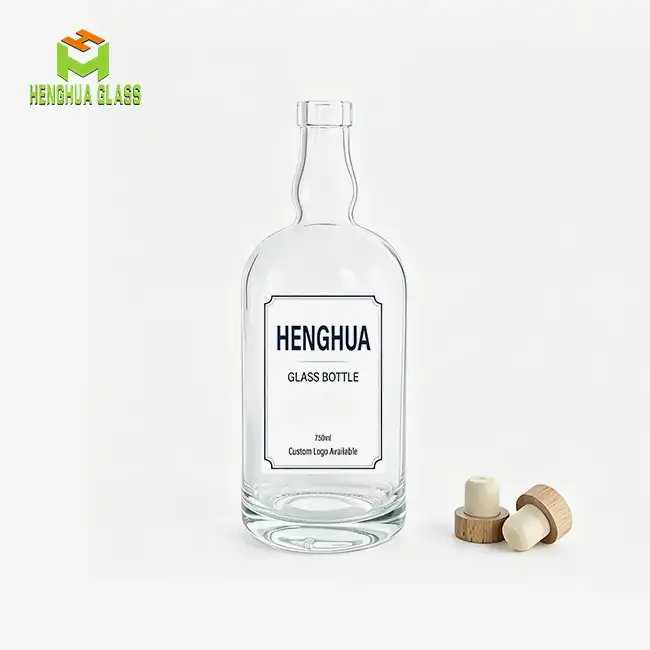
Founders often forget that the shape of the neck and shoulders affects how caps and labels are made. Make sure the label panel height is correct before you lock a mold, and match the neck finish to the capping tools your co-packer has. Screen printing, gold stamping, bronze plating, decorative firing, thermal transfer printing, spray painting, internal engraving, stickers, labels, and logos are all things that Henghua can do. Custom boxes can also be made, which is helpful for gift sets and online sales. Weak labels can come off of cold, damp bottles, so test your glue in a cool, damp place before you print a full run.
Safety, Storage, and Handling for Chilled Cold Brew
Preventing Cracks in the Fridge
Most of the time, thermal shock is what breaks glass. This can happen when the temperature of a bottle changes quickly, like when it is filled with hot water and then rinsed with cold water. ASTM C149 is a standard way to test how well glass containers can handle being heated or cooled, and you can ask any supplier how their bottles do in this test. Soda-lime glass can't handle big changes as well as borosilicate glass, so make sure that temperature changes are slow. Even though the body of our bottles is thicker to make them last longer, you should still test samples on your own filling and chilling line before placing an order for all of them.
Storing Cold Brew Safely
Keep cold brew in the fridge in a clean, covered cold brew coffee glass bottle away from strong smells, and write down the date it was made or opened. There isn't a single number that works for all brands because shelf life depends on cleanliness, water quality, recipe, temperature, and add-ins. Scientists Niny Rao and Megan Fuller found in 2018 that cold brew coffee has a pH level close to 5, the same as hot coffee. That is a good reason to make cleaning, sealing, and putting food in the fridge steps that you have to do, not ones that you can skip. Covers for wide-mouth bottles need extra care because the open sides soak up smells quickly.
Shipping Without Breakage
Trips in the cold chain cause knocks and changes in temperature. Before you fill the bottles, check them for chips and cracks. Use dividers or tray packs to keep the cartons stable on the pallets. Henghua packs based on what the client wants, and we offer transportation loss compensation, which makes it less likely that a damaged shipment will hurt your launch. Send us your carton size, pallet plan, and location, and we'll make sure that the right packaging gets to you on time. In the U.S., ask your co-packer how they make sure that shipping items that need to be kept cold is legal, since stores and carriers may have different rules.
Matching the Right Design and Supplier to Your Brand
Matching Shape to Your Business Model
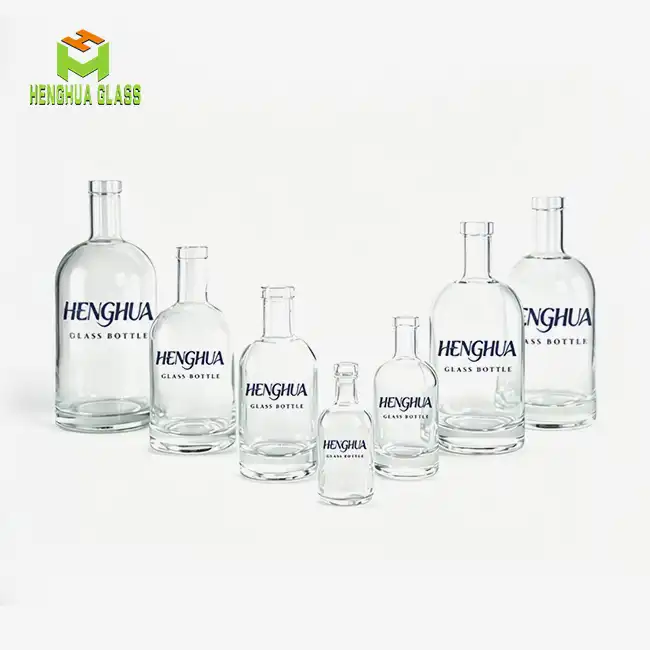
Wide-mouth bottles are good for homebrewing and making changes to recipes often. Both shapes should be weighed against batch size, turnover speed, storage space, and the amount of work needed to clean. Retail and private-label RTD brands tend to use narrow-mouth bottles because they are easier to pour and look better on shelves. Before committing, wholesale buyers should find out how much they can supply, what colors are available, and how long the lead time is. Henghua has clear, amber, and blue glass, and we can also make any color you want. When coffee is kept in a bright cooler, amber stops UV light, which is helpful.
A Practical Supplier Checklist
I think you should make a short list. Make sure you check the capacity, mouth diameter, glass thickness, weight range, closure type, leak resistance, and export paperwork. Then, ask about OEM and ODM service, making molds, decorating, sample costs, lead time, carton details, the policy on breaks, and long-term supply. Henghua has been making glass for more than 20 years and has ten 150-ton melting ovens and automated production lines. Items in stock can be sent out right away, but special orders need 25 days for samples and 30 days for mass production. You can use those dates to plan your work around a short launch window.
Why Samples Reduce Risk?
You can learn more from a sample than from a spec sheet. Put food inside, seal it, and put it in the fridge overnight. The next day, label it, shake it in a carton, and wash it. Cracks, leaks, loose labels, and off tastes should be looked out for. You can try out Henghua's products for free before you decide to buy in bulk. The bottles we have now were made for rum, whiskey, gin, and olive oil, so for cold brew projects, we change the shape, size, and finish. I think you should compare each sample to how you normally store and fill them.
Conclusion
Different things can be done with wide-mouth and narrow-mouth cold brew coffee glass bottles. Wide-mouth designs make it easier to brew, filter, and clean, while narrow-mouth designs make it easier to control the pour, keep the shelf clean, and cap finished drinks. Glass is good for cold brew because it keeps flavors from transferring and stops gasses from escaping. Amber adds extra light protection. Size, closure, neck finish, and label fit are just as important as mouth width because they affect how the bottle seals, fills, and ships. The biggest risks for chilled goods are thermal shock, oxygen exposure, and damage during transportation. You can find these risks quickly by doing sample trials on your own line. It works for many brands to use a mix of wide-mouth bottles for production and narrow-mouth bottles for sale. The best choice is based on your workflow, not just the shape.
FAQ
Is a wide-mouth bottle better for cold brew?
It is better for brewing inside the bottle, since grounds and filters fit easily and cleaning is simple. For finished drinks sold chilled, a narrow neck often pours and presents better. Your workflow should decide, and a pilot order of both shapes will show you which one fits.
Does bottle color matter for coffee?
Yes. Amber glass filters UV light that can degrade coffee oils, while clear glass shows the color of the brew. Henghua offers amber, clear, and blue glass, and we can customize other colors to match your brand and your retail lighting.
Can I customize size, shape, and decoration?
Yes. We customize size, color, bottle shape, logo, labels, and packaging boxes. Decoration options include screen printing, gold stamping, bronzing, and internal engraving. Custom orders follow about 25 days for sampling and 30 days for mass production, and free samples let you test the design first.
Request a Cold Brew Coffee Glass Bottle Quote from henghua
Choosing between wide-mouth and narrow-mouth shapes is easier with samples in hand. As a cold brew coffee glass bottle supplier with over 20 years of glass manufacturing experience, henghua offers free samples, OEM/ODM customization, and transportation loss compensation. Email denny@henghuaglass.com with your capacity, neck style, and closure needs, or visit henghuaglass.com for details.
References
1. Fuller, M., and Rao, N. Z. The Effect of Time, Roasting Temperature, and Grind Size on Caffeine and Chlorogenic Acid Concentrations in Cold Brew Coffee. Scientific Reports, 2017.
2. Rao, N. Z., and Fuller, M. Acidity and Antioxidant Activity of Cold Brew Coffee. Scientific Reports, 2018.
3. Cordoba, N., Fernandez-Alduenda, M., Moreno, F. L., and Ruiz, Y. Coffee Extraction: A Review of Parameters and Their Influence on the Physicochemical Characteristics and Flavour of Coffee Brews. Trends in Food Science & Technology, 2020.
4. ASTM International. ASTM C149 Standard Test Method for Thermal Shock Resistance of Glass Containers, 2020.
5. U.S. Food and Drug Administration. Packaging and Food Contact Substances (FCS), 2023.
6. International Organization for Standardization. ISO 8106 Glass Containers: Determination of Capacity by Gravimetric Method, 2004.
Learn about our latest products and discounts through SMS or email