- English
- French
- German
- Portuguese
- Spanish
- Russian
- Japanese
- Korean
- Arabic
- Irish
- Greek
- Turkish
- Italian
- Danish
- Romanian
- Indonesian
- Czech
- Afrikaans
- Swedish
- Polish
- Basque
- Catalan
- Esperanto
- Hindi
- Lao
- Albanian
- Amharic
- Armenian
- Azerbaijani
- Belarusian
- Bengali
- Bosnian
- Bulgarian
- Cebuano
- Chichewa
- Corsican
- Croatian
- Dutch
- Estonian
- Filipino
- Finnish
- Frisian
- Galician
- Georgian
- Gujarati
- Haitian
- Hausa
- Hawaiian
- Hebrew
- Hmong
- Hungarian
- Icelandic
- Igbo
- Javanese
- Kannada
- Kazakh
- Khmer
- Kurdish
- Kyrgyz
- Latin
- Latvian
- Lithuanian
- Luxembou..
- Macedonian
- Malagasy
- Malay
- Malayalam
- Maltese
- Maori
- Marathi
- Mongolian
- Burmese
- Nepali
- Norwegian
- Pashto
- Persian
- Punjabi
- Serbian
- Sesotho
- Sinhala
- Slovak
- Slovenian
- Somali
- Samoan
- Scots Gaelic
- Shona
- Sindhi
- Sundanese
- Swahili
- Tajik
- Tamil
- Telugu
- Thai
- Ukrainian
- Urdu
- Uzbek
- Vietnamese
- Welsh
- Xhosa
- Yiddish
- Yoruba
- Zulu
Why Glass Wine Bottles Are Better Than Plastic Alternatives?
The character of your business and the quality of your goods depend on the packaging you choose. The glass wine bottle is still the standard for high-end alcoholic drinks. It protects spirits, wine, and craft goods better than any other container. Glass keeps things real while meeting customer standards for sustainability, unlike plastic alternatives that change taste and how people think of a brand. It's getting harder for procurement managers and supply chain directors to find a good balance between cost, quality, and being good to the environment. Knowing why glass works better than plastic is important for making smart buying decisions that protect both the integrity of the product and the long-term value of the brand.
Introduction
In the alcoholic beverage business, packaging is very important because how the product is presented directly affects how customers see it and how long it lasts. Over the past ten years, there has been a big change in the goals of B2B buying. Sustainability and quality assurance used to be optional factors, but now they are required. The glass wine bottle has become the top choice for wineries, drink brands, and craft breweries that want to stay on top of the competition in the market.
Global market trends show that 73% of customers think that glass packaging means a better quality product than plastic options, according to a study. This way of thinking affects what people buy at the market level and how business-to-business buyers choose sources. Glass is always chosen by trusted brands in the alcoholic beverage industry, from Bordeaux wineries to American craft distilleries. This is because it meets buyer goals for environmental responsibility, product safety, and brand identity. People in charge of procurement now know that the type of packing they choose affects not only the short-term costs of shipping but also the long-term value of their brand and the acceptance of the market.
Understanding the Problem: Challenges with Plastic Wine Bottles
Plastic wine bottles cause big problems for the environment that go against businesses' goals for sustainability and what customers expect. Even though the plastics business says it can be recycled, only 9% of all the plastic ever made has been recycled around the world. Most plastic bottles end up in trash or the ocean, where they break down into tiny pieces called microplastics that last for hundreds of years. This pollution problem has gotten the attention of regulators in many major markets, especially in the US and EU, where laws that hold brands more responsible for packing trash are becoming more common.
Product Quality Concerns with Plastic Packaging
Plastic packaging not only hurts the earth, but it also lowers the quality of wine by letting chemicals mix and letting air through. Plastics let between 0.5 and 2.0 cc of air per package per day through, while glass lets almost none through. This contact with air speeds up oxidation, which breaks down the delicate flavor molecules and aromatic profiles that make wines and drinks special. Plastic isn't good for products that need to age or be shipped over longer periods of time because wine in plastic bottles rarely lasts longer than six months before the quality starts to drop.
Market Perception and Brand Value Impact
Consumer study shows over and over that plastic packaging lowers the perceived value of a product and hurts the trustworthiness of a brand. Sixty-eight percent of people who buy wine said they wouldn't pay more for items in plastic bottles, no matter how good the drink inside was. This view affects everyone in the supply chain, which changes the ability to set bulk prices and the chances of getting products placed in stores. Distributors and exporters have trouble putting plastic-bottled goods in high-end market groups, which limits the amount of money that brands can make with this type of packaging. When you look at the whole market effect instead of just the production costs, the business case against plastic becomes clear.
Why Glass Wine Bottles Are the Preferred Choice: Core Benefits Explored
Glass wine bottles have environmental benefits that are in line with current green regulations and business responsibility objectives. Glass is truly part of the circular economy because it can be recovered over and over again without losing any of its quality. It can be handled over and over again without losing any of its purity or structural integrity. When compared to making new glass from raw materials, reusing glass uses 30% less energy. This means that environmentally conscious brands can leave much smaller carbon footprints. Many companies now use 30 to 60 percent recycled materials in their products, which has a measurable positive effect on the environment and connects with B2B buyers who are under pressure from stakeholders to meet green standards.
Preservation of Product Integrity
Because glass is chemically neutral, it protects sensitive alcoholic drinks better than any other material. Glass doesn't have any plasticizers, phthalates, or volatile organic substances that could get into goods. This means that the taste is pure from bottling to consumption. This inert layer keeps flavors and smells from changing, so the exact sensory profile that the wineries and distillers meant is kept. Because it is impermeable, glass is the only thing that can be used to store high-value items for a long time before they are sold. This is especially true for premium drinks that need to age for several years.
Customization and Branding Flexibility
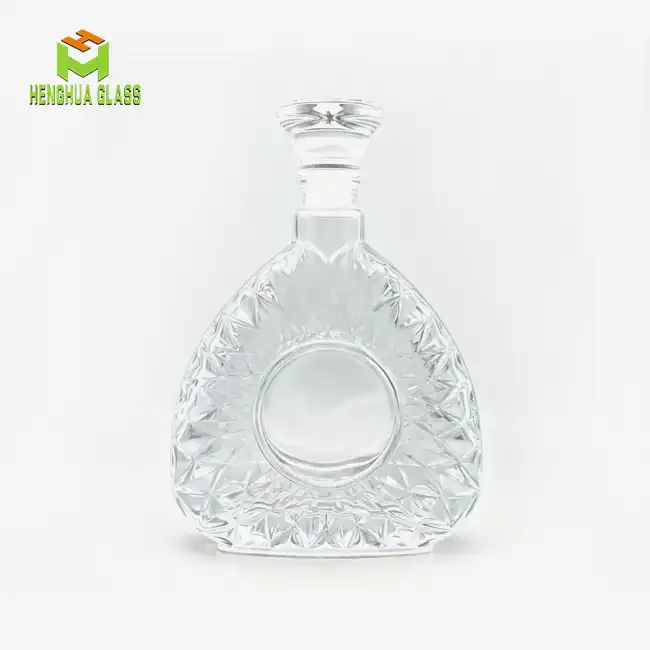
Glass wine bottles have a lot of style, color, and decorating options that plastic bottles don't. Modern production techniques allow for customization in many areas, meeting the needs of a wide range of business-to-business clients who want to differentiate their brands. Here are some of the main benefits of being able to customize glass bottles:
- Capacity Choices: Standard sizes come in 100ml, 200ml, 500ml, 750ml, and 1000ml sizes, but special sizes can be made to fit the needs of the market. Craft distilleries that want to sell to Americans use the 16oz and 18oz sizes, while European markets prefer metric measures. Because of this, brands can make sure that the packaging works best for each line of products and price point without changing the way the designs look.
- Color Variations: Amber, clear, and blue glass all have useful and nice-looking qualities. Light-sensitive spirits break down over time, but amber glass blocks UV radiation that does the opposite. This makes goods that are exposed to retail lights last longer. Premium vodka and gin makers like clear glass because it shows off the color and brightness of the product. Custom color matching lets all of a company's products perfectly fit its name.
- Surface Treatments: Hot pressing, internal engraving, screen printing, thermal transfer printing, and spray painting are some of the advanced decoration methods that give things their own unique looks. These processes don't break down when commercially washed and handled, so the brand's appearance stays the same throughout the product's lifecycle. Adding a rich feel to something with frosting or metallic finishes makes it seem much more valuable.
- Closure Systems: Gold, silver, white, black, and custom-colored caps made of metal, plastic, wood, or metal can be used to finish off the name. Screw cap closures make sure that the seal works well and help the brand's stylistic goals. The choice of seal affects the customer experience and builds on the quality impressions created by the bottle itself.
With these customization options, brands can make unique packaging that stands out in crowded stores while still getting the useful benefits that come with glass packaging. The money spent on a unique bottle design pays off by making the brand more recognizable and giving the company more power to charge higher prices.
How Glass Wine Bottles Are Made and Designed to Meet Industry Needs
Making glass bottles uses both old-fashioned methods and current, precise engineering to make consistent, high-quality packaging. To start the process, carefully mixed raw materials like silica sand, soda ash, limestone, and recovered cullet are melted in big furnaces at temperatures above 1500°C. At Henghua, we have 10 sets of 150-ton glass melting kilns that can each produce up to 1 million units per day. This makes sure that we can meet the needs of businesses that need to buy in large quantities. The molten glass flows into automatic tools that shape the bottles using either the blow-and-blow or press-and-blow methods. This makes sure that the bottles are the exact measurements needed for the closure to work and for the look to be consistent.
Quality Control and Material Specifications
Every glass wine bottle meets international food-grade standards thanks to strict quality control procedures. As part of our manufacturing process, we use heating steps to remove internal stress. This keeps the product from breaking on its own during filling, capping, or shipping. The very clear glass has a smooth, luxurious feel and no bubbles. The thicker bottle bodies make them more durable, so they can handle being handled by businesses. Using automatic vision systems to do dimension analysis makes sure that the neck finish meets GCMI standards. This ensures that the seals are hermetic no matter what type of closing is used. The smooth inner walls keep aromatic chemicals from absorbing or reacting with each other, so the product stays pure while it's being stored and aged.
Design Variations for Different Applications
Changing the wall width lets you get the best results for a wide range of products and shipping needs. Standard wine bottles usually have walls that are 3–4 mm thick, which is a good balance between weight and sturdiness. They can be shipped locally using standard packing materials. Transportation costs and carbon emissions go down when glass weight is cut by 15-20% in lightweight designs that don't compromise structural integrity. This makes them appealing to brands that care about sustainability measures. The bases and walls of premium liquor bottles are often heavier and thicker. The heavier bases and walls communicate quality through a hefty feel and weight, which supports the higher price point. When procurement managers understand these trade-offs, they can choose bottle designs that fit the needs of the product's marketing and distribution channels.
Procurement Considerations for B2B Buyers: Making the Smart Choice
To do business-to-business (B2B) buying right, you need to carefully evaluate suppliers based on their certifications, production ability, and service skills. Manufacturers of high-quality glass bottles make sure they follow all international rules. They get certificates from groups like CE, FDA, SGS, and LFGB to make sure their products are safe and accepted by regulators in all major markets. These certificates show that the goods are made well and protect brands legally when they sell them abroad. With more than 20 years of experience making things, Henghua has developed mature production systems that are meant for global markets. These systems include documented quality control methods that make sure that even when big orders are placed, the results are always the same.
Bulk Ordering Strategies and Cost Optimization
Smart buying weighs the price per unit against the total cost of ownership, taking into account more than just the price of a glass wine bottle. When you make a volume pledge, you usually get access to tiered pricing systems. When you buy more than 50,000 units, the price per unit goes down by a lot. But buyers need to weigh the benefits of volume discounts against the costs of storage, keeping inventory, and operating capital. Customization adds value by making brands stand out, but you have to buy at least 10,000 units of certain surface treatments or molds in order to get them. We support both ways of doing things by having open production schedules. Products in stock ship right away, and custom orders have set timelines of 25 days for sampling and 30 days for mass production, which helps buying teams plan ahead.
Total Cost of Ownership Analysis
A full cost comparison of glass and plastic wrapping shows that glass is more valuable in the long run. Plastic bottles have lower unit costs when they are first bought, but the full lifetime analysis needs to take into account product loss from premature oxidation, brand value erosion that affects the ability to set prices, and rising regulatory compliance costs for managing plastic trash. Glass wine bottles keep the quality of the product even after long periods of time in storage or transit, which cuts down on expensive returns and waste. Glass can be recycled, which lowers environmental fees and helps companies meet sustainability reporting standards that have a bigger impact on how stakeholders judge them. Leading suppliers like Henghua offer services like technical support, sample supply, and shipping loss pay that lower the risk of buying and increase the value of the relationship in ways that go beyond simple transaction economics.
Maintaining and Using Glass Wine Bottles: Best Practices for Longevity and Value
Following the right steps for treating glass wine bottles will make them work better and prevent them from breaking during the filling, storage, and shipping processes. Before they can be filled, clean bottles need to be checked for chips, cracks, or stress fractures to make sure they will stay strong under the pressure of fizzy drinks or vacuum-sealed wines. Good glass bottles need neck finishes that aren't broken so that they fit properly with seals. This keeps leaks from happening while the bottles are being transported and stored. Automated filling lines should have stations for rinsing bottles that get rid of dust without heating the glass, which keeps the classic look that makes the brand look better.
Transportation and Storage Optimization
For safe shipping, you need packing options that fit the needs of the glass bottle and the shipping conditions. Custom-molded EPE foam or honeycomb dividers keep bottles from touching each other while they're being shipped, which keeps breakage rates below 1% even on international lines. Temperature control is very important during storage, especially for things that need to age. Sudden changes in temperature cause thermal stress that can break glass or weaken seals. For high-stack storage to avoid bottom-layer crushing, warehouses should keep the temperature and humidity stable and use pallet layouts that spread weight evenly. These operational best practices will protect the money you spend on packing and make sure that goods get to customers in perfect shape.
Sustainability Through Reuse Initiatives
Creative programs that refill bottles make brands more appealing and show that they care about the environment. People know that premium glass bottles are valuable on their own, which makes them perfect for deposit-return systems or filling programs that cut down on single-use waste. Some wineries and distilleries have successfully started take-back programs where bottles that are returned are cleaned and refilled. These closed-loop systems are popular with people who care about the environment. Even after bottles are no longer being used, they can be recycled so that materials go back into making instead of polluting the environment. Putting these sustainable efforts front and center in marketing campaigns strengthens the brand's position and builds emotional ties with customers who care about the environment.
Conclusion
Product preservation, brand image, environmental effect, and total lifecycle value are all areas where glass wine bottles clearly beat plastic substitutes. The better air layer keeps sensitive alcoholic drinks from oxidizing and losing their flavors, so the quality stays the same while they're being shipped and aged. When people choose glass packaging over plastic, the price goes up, and the product is seen as more expensive, which plastic can't do. The benefits to the environment from being able to be recycled over and over again are in line with companies' sustainability goals and lower the risk of not following the rules in markets that are becoming more rigid. Because glass can be made in a lot of different ways, brands can make unique packaging that sets their goods apart and improves their market identity. When purchasing decisions are based on total lifetime costs instead of just unit prices, glass is the most cost-effective way to protect product quality, brand value, and the environment all at the same time.
FAQ
What makes glass wine bottles more environmentally sustainable than plastic?
Glass wine bottles can be recycled over and over again without losing any of their quality. This means that materials can be used in manufacturing processes over and over again. About 80% of the recycled glass is used to make new bottles, which makes the systems truly closed-loop. Only 9% of plastic is recycled around the world. The rest ends up in landfills or the oceans, polluting them. Recycling content in glass production cuts energy use by 30% compared to making glass from new materials. This makes a big difference for brands that care about the earth.
Can glass wine bottles be customized to match specific brand requirements?
A wide range of customization options meets the wants of different company positioning requirements. You can change the capacity from 100 ml to 1000 ml or more; the color from amber to blue to custom matches; the surface treatment, such as hot stamping, internal engraving, screen printing, and spray painting; and the closure systems that use wood, metal, or plastic caps in different color finishes. Customization usually requires a minimum order of 10,000 units, and samples can be sent within 25 days to make sure they meet design requirements.
What are the cost implications of switching from plastic to glass packaging?
Glass has higher initial unit costs than plastic, but a look at its total lifetime shows that it is a better investment. Glass keeps products from breaking down, which leads to expensive returns and waste. It also supports a premium price, which boosts brand value that builds over time, and lowers the costs of following regulations for managing packing waste. Buying in bulk and building long-term relationships with suppliers can make glass even more cost-effective, especially for brands that put quality and market placement ahead of low transaction costs.
Partner with Henghua for Premium Glass Wine Bottle Solutions
With over 20 years of experience in the industry and numerous approvals, including CE, FDA, SGS, and LFGB compliance, Henghua produces excellent glass wine bottle manufacturing. Our advanced production ability includes 10 sets of 150-ton melting furnaces that can make up to 1 million units per day, making sure that you can always get what you need. We are experts at providing full ODM/OEM customization services that help brands stand out in the market. These services include matching colors and capacity specs, as well as advanced surface treatments like hot pressing, screen printing, and internal engraving that make products stand out. Our low prices come from having a well-developed supply chain and production processes that work well, so we can offer high quality at prices that are sustainable. During the whole buying process, we offer free samples, compensation for transportation losses, and specialized expert help. Email our team at denny@henghuaglass.com to talk about your needs with an experienced seller.
References
1. Glass Packaging Institute. "Lifecycle Assessment and Recycling Rates for Glass Beverage Containers." Journal of Sustainable Packaging, 2022.
2. International Wine and Spirits Research. "Consumer Perception Studies: Packaging Material Impact on Premium Product Positioning." Beverage Industry Quarterly, 2021.
3. American Society for Testing and Materials. "Standard Test Methods for Oxygen Transmission Rate Through Packaging Materials." ASTM F1927-14, 2020.
4. European Container Glass Federation. "Close the Glass Loop: Circular Economy Achievement Report." Environmental Packaging Studies, 2023.
5. Food and Drug Administration. "Packaging Materials for Food Contact: Safety Standards and Compliance Requirements." FDA Technical Bulletin, 2021.
6. Beverage Marketing Corporation. "Global Packaging Trends in Alcoholic Beverage Industries: Market Analysis and Procurement Insights." Industry Report, 2022.
Learn about our latest products and discounts through SMS or email