- English
- French
- German
- Portuguese
- Spanish
- Russian
- Japanese
- Korean
- Arabic
- Irish
- Greek
- Turkish
- Italian
- Danish
- Romanian
- Indonesian
- Czech
- Afrikaans
- Swedish
- Polish
- Basque
- Catalan
- Esperanto
- Hindi
- Lao
- Albanian
- Amharic
- Armenian
- Azerbaijani
- Belarusian
- Bengali
- Bosnian
- Bulgarian
- Cebuano
- Chichewa
- Corsican
- Croatian
- Dutch
- Estonian
- Filipino
- Finnish
- Frisian
- Galician
- Georgian
- Gujarati
- Haitian
- Hausa
- Hawaiian
- Hebrew
- Hmong
- Hungarian
- Icelandic
- Igbo
- Javanese
- Kannada
- Kazakh
- Khmer
- Kurdish
- Kyrgyz
- Latin
- Latvian
- Lithuanian
- Luxembou..
- Macedonian
- Malagasy
- Malay
- Malayalam
- Maltese
- Maori
- Marathi
- Mongolian
- Burmese
- Nepali
- Norwegian
- Pashto
- Persian
- Punjabi
- Serbian
- Sesotho
- Sinhala
- Slovak
- Slovenian
- Somali
- Samoan
- Scots Gaelic
- Shona
- Sindhi
- Sundanese
- Swahili
- Tajik
- Tamil
- Telugu
- Thai
- Ukrainian
- Urdu
- Uzbek
- Vietnamese
- Welsh
- Xhosa
- Yiddish
- Yoruba
- Zulu
Why Glass Wine Bottle Color Matters for Wine Preservation?
Have you ever thought about why glass wine bottles are different colors when you're in the wine aisle? The color of a glass wine bottle has a very important scientific purpose that has to do with keeping the wine fresh. The color of the glass naturally blocks out dangerous light bands that cause chemical reactions inside the bottle that cause oxidation, off-flavors, and early aging. By blocking ultraviolet and visible light, colored glass keeps the wine's aromas fresh longer and makes sure that every pour gives you the experience the brewers meant.
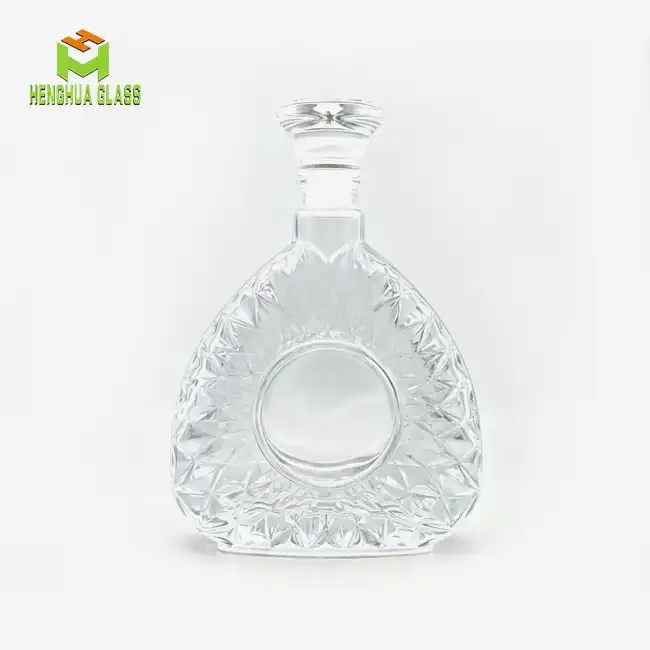
Understanding the Role of Glass Wine Bottle Color in Wine Preservation
Light and other external factors can have a big effect on wine stored in a glass wine bottle. Some types of visible light and ultraviolet light can pass through clear glass and react with chemicals in the wine, especially riboflavin and pantothenic acid, to make free radicals. These radicals break down polyphenols and tannins, which leads to "light-strike" or "goût de lumière," which is a bad smell with hints of sulfur and color loss.
How Light Affects Wine Chemistry
Wine has taste, color, and smell that come from small phenolic molecules. These molecules break down into flammable sulfur compounds when they are exposed to light with a wavelength greater than 400 nanometers. Because they have more tannins, red wines last a little longer, but white and rosé wines go bad much more quickly.
The Science Behind Colored Glass Protection
Certain wavelengths are absorbed and reflected by colored glass wine bottle materials. Nearly 98% of UV rays and large amounts of blue and green visible light are blocked by amber glass. Green glass blocks about 50–80% of dangerous wavelengths, so it doesn't give complete security. On the other hand, clear glass doesn't protect the wine very well because it lets most UV and visible light through straight.
Wine Types and Their Light Sensitivity
Because white wines and sparkling wines don't have tannins to protect them, they need darker bottle colors to keep them from going bad. Because they have more antioxidants, red wines can handle more light, but green or amber glass is still best for long-term aging. Rosé wines are between red and white wines in terms of how fragile they are. They usually come in lighter-colored boxes and need to be stored carefully.
Comparison of Common Glass Wine Bottle Colors and Their Benefits
To choose the right glass wine bottle color, you have to find a balance between keeping things useful, making the product look good, and fitting in with your brand. Each color has its own pros and cons that you should be aware of.
Amber and Brown Bottles: Maximum Protection
The best UV protection comes from amber glass wine bottle designs, which soak up rays from 280 to 450 nanometers, which are the worst for wine. Amber glass became popular for beer packing, but now it's the best for light-sensitive drinks and expensive white wines that will be aged for a long time. The deep brown color suggests history and quality, which appeals to people who want to buy something that is truly real.
The wine's beauty is hidden by yellow glass, though, so it's not as good for brands that stress color clarity. Procurement managers like amber options from Henghua, which come in sizes that can be customized from 500 ml to 1000 ml. These options combine science-based methods for preserving food with thicker, more durable construction that can withstand shipping stress.
Clear and Transparent Bottles: Visual Appeal
Clear glass shows off the color and brightness of the wine, making it stand out right away on store shelves. At first look, consumers can believe the liquid because they can check for sediment, color accuracy, and fill levels. Because it is clear, clear glass is popular for rosé wines and high-end white wines where color presentation affects buying choices.
The cost is being open to attack. For safekeeping, clear bottles need temperature-controlled warehouses with UV-filtered lighting and fast product turnover. Brands that use clear packing often spend extra on extra protection, like colored shrink wrap or special boxes. Henghua's clear glass products have smooth inner walls and are expertly made so there are no bubbles. They still have a luxurious feel but need to be handled carefully.
Green Bottles: Tradition Meets Function
Green glass wine bottle designs are the historical standard in the wine industry. It offers modest UV protection and a sophisticated look. The color came from early methods of making glass, but it stays around because it works well with other colors. Green bottles block a lot of UV light while still letting some color show through. This meets both the needs of preservation and buyer standards.
Regional customs affect the use of green glass. For example, Bordeaux, Champagne, and German Riesling makers rely heavily on this color, which makes people think of those places when they see green bottles. Procurement teams like green glass because it can be used for a lot of different products and has a good reputation with customers that comes from centuries of winery history.
Emerging Specialty Colors and Custom Solutions
Craft wineries and small brands that want to stand out are using blue, teal, and custom-tinted glasses more and more. These colors make brand names stand out while offering UV protection similar to green glass. Huanghua lets you customize more than just color—they also offer hot pressing, internal engraving, screen printing, and customizable logo applications that turn bottles into brand advocates.
Adding gold printing, bronzing, or spray painting to the surface makes it look better, especially for high-end markets. By combining preservation science with beautiful difference, these new ideas help brands charge higher prices.
How Glass Wine Bottle Color Impacts Procurement Decisions
Procurement experts need to think about how the color of the bottle affects business efficiency, sustainability goals, and brand strategy, in addition to how it affects preservation. Understanding these points of overlap helps people make better buying choices that are in line with their business goals.
Durability and Shipping Considerations
When colored glass is made, it often includes extra metal oxides that make the walls a little thicker and the structure more resilient. Most of the time, amber bottles can handle vertical stacking pressure better than clear ones, which lowers the number of broken bottles during international shipping. Even in big orders, Henghua's thickened bottle designs keep breakage rates below 1%. These designs strengthen stress points like necks and shoulders.
Purchasing managers who have to balance cost and quality like it when suppliers offer shipping loss pay. This makes sure that they can work together safely, even though glass packaging is naturally fragile.
Sustainability and Recycling Efficiency
Colored glass helps with efforts to create a connected economy. Glass recycling centers sort glass wine bottle materials by color category, with green and amber streams having more pure glass than mixed-color groups. Using standard colors makes it easier to recycle, which lowers the impact on the environment. This is becoming more important for brands as customers expect more eco-friendly packing.
When Henghua makes products, they use reclaimed glass whenever they can. Our CE, FDA, SGS, and LFGB certifications make sure that our products meet international safety and environmental standards in all areas.
Customization and Brand Identity
The color of a glass wine bottle reflects a brand’s identity and positioning. Clear bottles show that you are honest and up-to-date, while amber ones show that you care about history and quality, and blue or custom tints show that you are innovative and unique. When procurement teams work with providers that offer full ODM/OEM services, they can make prototypes in a number of colors and test how customers react to them before placing big orders.
Henghua offers 25-day sampling plans and 30-day mass production schedules, which let brands make changes fast. With a daily output capacity of up to one million units per furnace, we can handle everything from small-batch starts to nationwide sales.
Case Studies: Successful Use of Glass Wine Bottle Colors in the Industry
Real-life examples show how choosing the right bottle color can improve preservation, how people see your business, and your market success.
Premium Wine Brands and Amber Glass
An organic farm in California that makes natural wines without sulfite preservatives had problems with clear bottles that let the wine age faster. By using amber glass instead of clear glass, the shelf life was increased by 40% after adopting amber glass wine bottle solutions. This cut down on returns and increased dealer trust. People who care about their health liked that the darker bottles showed that the brand was committed to using traditional winemaking methods.
Finding trusted sources like Henghua and negotiating multi-year contracts with them—backed by stable supply chains and competitive pricing—lowered costs per unit by 18% while keeping quality the same across production batches.
Boutique Distilleries and Custom Colors
A craft distillery in New York that makes gin and whiskey switched to cobalt blue bottles to stand out from other upscale drink brands that were already on the market. The unique color became a brand icon that people could quickly spot in stores and on social media. Custom screen painting and internal etching added bits of luxury that made the higher price point fair.
The strategy for buying things stressed being flexible, so smaller batches were ordered at first to see how well they were received by the market before getting in bulk. Henghua's ability to accommodate custom sizes (500 ml, 750 ml, 16 oz, and 32 oz) and lid materials (wood, metal, and plastic in gold, silver, black, and white) made it possible to build a full product line with just one source.
Home Winemakers and Cost-Effective Solutions
Amateur winemakers and small-batch producers increasingly recognize that proper bottling extends homemade wine quality. People in this group like green glass bottles because they offer good UV protection at a price that most people can afford. Suppliers with clear pricing and low minimum order amounts make it possible for home fans to get professional-grade packing without having to make large-scale promises.
Best Practices for Choosing the Right Color Glass Wine Bottle
Strategic bottle selection means making choices based on a lot of different factors, such as the qualities of the wine, what the market wants, the limitations of the business, and what the future holds.
Matching Wine Style to Glass Color
Amber or dark green glass is best for white wines that don't do well with light, sparkling wines, and natural wines with few added chemicals. Full-bodied red wines that have been aged for a long time can handle green glass well. Lighter shades or clear glass can be used for rosé wines that will be drunk quickly, as long as the keeping conditions are kept under control.
Procurement teams should work with wineries and quality assurance managers to set color standards that take into account how long the wine will last, how it will be sold, and where it will be stored.
Evaluating Supplier Capabilities
Suppliers you can trust have consistent quality control, clear certificates, and helpful customer service. With more than 20 years of experience making things, 10 sets of 150-ton glass melting kilns, and fully automatic production lines, Henghua can guarantee stable output that meets international standards.
By asking for free samples before placing large orders, buying teams can check the weight, clarity, closing ability, and overall look of the bottles. Beyond just selling things, suppliers who offer expert support and long-term business help are valuable.
Balancing Cost and Quality
Because metal layers are added and special methods are used to make it, colored glass wine bottle products typically cost 5–15% more than clear versions. But better preservation cuts down on product losses from spoiling and returns, which often makes up for the higher starting costs. Unit costs are even better when you buy in bulk and place orders for multiple SKUs.
Henghua's strong cost control comes from having mature supply chain systems. They offer high-quality goods at reasonable prices, which helps purchasing managers meet their budget goals without lowering the effectiveness of preservation or the brand's image.
Anticipating Future Trends
New ideas like UV-protective coatings on clear glass, smart packages with QR codes, and light designs that cut down on carbon emissions are opening up new business possibilities. When procurement workers keep an eye on these changes and work with suppliers who are ahead of the curve, their brands become stars in their fields.
Sustainability is still very important. Colored glass bottles that support closed-loop recycling and providers that promise to cut down on production emissions are both in line with the CSR goals that customers and lawmakers are looking more closely at.
Conclusion
The color of a glass wine bottle has a big effect on how long it lasts, how it looks, and how you buy it. Amber bottles protect sensitive wines from UV light the best, clear bottles look nice but need to be handled carefully, and green bottles are a good compromise between custom, function, and buyer expectations. To get the best wine quality and the most competitive market position, procurement choices must take into account preservation science, sustainability, the ability to customize, and the dependability of the seller. As eco-friendly materials and new designs become more popular, choosing the right bottle color is still a smart way to protect the quality of the product and boost the brand's image.
FAQ
Why does my white wine taste different in clear bottles versus amber bottles?
UV and visible light can get through clear bottles and cause photooxidation, which breaks down scent compounds and makes flavors that taste like wet cardboard or cooked veggies. By blocking damaging wavelengths, amber bottles keep the wine's taste profile while it's being stored and shipped.
Can I use clear glass bottles if I store wine in dark cellars?
Yes, clear glass is less likely to break in controlled storage areas with little light exposure. But wine comes into contact with light when it's being sold, transported, and stored at home. For this reason, darker glass is a better long-term choice.
Are colored bottles more expensive than clear ones?
Adding metal layers to colored glass makes it cost 5–15% more than clear glass. Buying in bulk and signing seller contracts for more than one year can lower this price while still giving you better preservation value.
How do I verify bottle quality from international suppliers?
Ask for proof (CE, FDA, SGS, LFGB), free samples, and names of satisfied customers. Reliable providers, such as Henghua, offer shipping loss compensation and clear quality control paperwork, which makes working together safe.
Partner with a Trusted Glass Wine Bottle Manufacturer
Picking the right color for your glass wine bottles protects the quality of your product and boosts the marketplace of your brand. Leading glass wine bottle manufacturer Henghua, with headquarters in Jiangsu, China, offers amber, clear, blue, and special colors in sizes ranging from 100 milliliters to 32 ounces. Our thicker, long-lasting bottles have smooth inner walls that keep the aroma in and are expertly made so there are no bubbles. With certifications from CE, FDA, SGS, and LFGB; the ability to make more than 1 million units per day; and full ODM/OEM services that include screen printing, internal engraving, and custom cap materials, we offer complete package solutions that are suited to the needs of your brand. To get free samples, email Denny at denny@henghuaglass.com.
References
1. Jackson, R. S. (2020). Wine Science: Principles and Applications (5th ed.). Academic Press.
2. Waterhouse, A. L., Sacks, G. L., & Jeffery, D. W. (2016). Understanding Wine Chemistry. John Wiley & Sons.
3. Ribéreau-Gayon, P., Glories, Y., Maujean, A., & Dubourdieu, D. (2017). Handbook of Enology, Volume 2: The Chemistry of Wine Stabilization and Treatments (3rd ed.). John Wiley & Sons.
4. Goode, J. (2014). The Science of Wine: From Vine to Glass (2nd ed.). University of California Press.
5. Clarke, O., & Rand, M. (2015). Oz Clarke's Encyclopedia of Grapes. Harcourt Books.
6. Amerine, M. A., & Roessler, E. B. (2018). Wines: Their Sensory Evaluation (Revised ed.). W. H. Freeman and Company.
Learn about our latest products and discounts through SMS or email