- English
- French
- German
- Portuguese
- Spanish
- Russian
- Japanese
- Korean
- Arabic
- Irish
- Greek
- Turkish
- Italian
- Danish
- Romanian
- Indonesian
- Czech
- Afrikaans
- Swedish
- Polish
- Basque
- Catalan
- Esperanto
- Hindi
- Lao
- Albanian
- Amharic
- Armenian
- Azerbaijani
- Belarusian
- Bengali
- Bosnian
- Bulgarian
- Cebuano
- Chichewa
- Corsican
- Croatian
- Dutch
- Estonian
- Filipino
- Finnish
- Frisian
- Galician
- Georgian
- Gujarati
- Haitian
- Hausa
- Hawaiian
- Hebrew
- Hmong
- Hungarian
- Icelandic
- Igbo
- Javanese
- Kannada
- Kazakh
- Khmer
- Kurdish
- Kyrgyz
- Latin
- Latvian
- Lithuanian
- Luxembou..
- Macedonian
- Malagasy
- Malay
- Malayalam
- Maltese
- Maori
- Marathi
- Mongolian
- Burmese
- Nepali
- Norwegian
- Pashto
- Persian
- Punjabi
- Serbian
- Sesotho
- Sinhala
- Slovak
- Slovenian
- Somali
- Samoan
- Scots Gaelic
- Shona
- Sindhi
- Sundanese
- Swahili
- Tajik
- Tamil
- Telugu
- Thai
- Ukrainian
- Urdu
- Uzbek
- Vietnamese
- Welsh
- Xhosa
- Yiddish
- Yoruba
- Zulu
Why Custom Glass Liquor Bottles Are Essential for Brand Success?
In today's spirits market, where visual appeal frequently determines customer choice before the first taste, custom glass bottles for liquor represent a critical difference. These custom packaging options do more than just hold things; they also reflect brand story, signal premium positioning, and make a presence on the shelf that regular bottles can't. There is a quiet salesman that tells people about originality, craftsmanship, and quality every time someone touches custom glass bottles for liquor that procurement managers buy. When you choose the right bottle, it becomes part of the brand story. It turns ordinary packing into an unforgettable experience for the customer that makes them want to buy again and again.
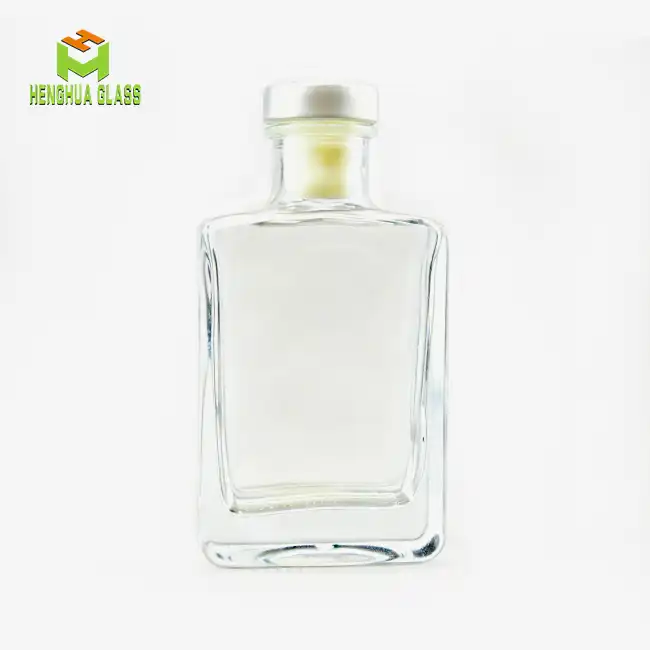
The Strategic Value of Custom Glass Bottles for Liquor Branding
Building Immediate Shelf Differentiation
If you go into any booze store, you'll notice how quickly some bottles get people's attention. Unique shapes, designs that are raised, and colors of glass that stand out from the rest help brands make an impact in a matter of seconds. Working with distilleries all over North America has taught us that custom glass bottles for liquor with unique forms can raise the number of pauses by measured amounts, which directly leads to more sales. Customers will know your whiskey is valuable before they even taste it if it has a heavy base, thick walls, and exact stamping. This tactile and visual connection is what builds brand reputation. This is especially important for small distilleries that have to compete with well-known names.
Enhancing Brand Storytelling Through Design
Glass packaging gives you more ways than any other to tell a brand's story through its actual form. Brands can put their history, expertise, and values right into the structure of the bottle by using methods like screen printing, hot stamping, engraving, and bronzing. Custom embossing could be used by a rum brand to add Caribbean themes, and frosted glass with silver accents could be used by a vodka brand to show Nordic purity. These design choices make an emotional connection with target groups and set goods apart in random taste tests. High-quality glass bottles have smooth inner walls that keep the aromas inside. This means that the way the product is packaged never affects the quality of the product, which is something that more and more picky customers expect.
Establishing Premium Market Positioning
The type of material used quickly sends a message about the expected price range and quality. Because it is clear and doesn't contain much iron, Super Flint glass has a luxury feel that plastic options can't match. Custom glass bottles for liquor have a sizable weight that people connect with high-end spirits. This is made possible by carefully controlling the wall thickness and building the base to be very heavy. Bottles with gold or silver screw caps, wooden seals, or metal finishes that match the glass body are very helpful for brands that are aimed at upper-middle-class people. These factors work together to support higher prices and put goods in the same category as luxury brands. Safety and quality promises are very important to buying managers, and certificates like FDA and SGS compliance make that even clearer.
Understanding the Manufacturing Process of Custom Glass Liquor Bottles
Design Development and Prototyping Stages
The process of making custom glass bottles for liquor starts with group design meetings where the brand's idea is turned into technical details. Manufacturers like Henghua use 3D modeling software to make prototypes of bottle shapes. This lets buying teams see what the final goods will look like before the molds are made. Designing and making a sample mold usually takes 15 to 20 days. During this time, things like capacity (from 100ml to 750ml or custom amounts), neck finish measurements, and base stability are fine-tuned. This step takes into account the needs of each spirit. For example, whiskey bottles often have bigger necks so that labels can be more legible, while gin bottles might have angular designs that show off the plant ingredients. Using digital calipers for prototyping makes sure that the measurements are exact, which guarantees thread accuracy for a variety of close types, such as screw caps and cork finishes.
Advanced Glass Molding and Quality Control
Making mass production molds takes about 25 to 30 days, which includes verticality tests and polariscope-based heating quality checks. Modern glass-melting factories, which can make up to a million units per day, use extra flint or super flint glass formulas, which are the clearest and least reactive with chemicals. It is important for high-proof spirits that the production process keeps strict temperature shock resistance (usually rated to 42°C) and internal pressure resistance above 0.6 MPa. Multiple inspection steps make sure that the product can survive impact and vacuum leaks, and cross-hatch adhesion tests make sure that labels, stickers, and coatings can stand up to alcohol exposure and condensation. When things are shipped across foreign borders, breakage rates stay below 2% thanks to export-grade packing and ISTA 1A drop-tested boxes.
Customization Capabilities and Surface Treatments
Because there are so many ways to customize, brands can make packaging that stands out. Clear, amber, or blue glass can be turned into branded items by applying surface treatments like gold stamping, thermal transfer printing, spray painting, and artistic burning. Custom glass bottles for liquor come in a range of sizes, from 100 ml sample sizes to 18 oz premium forms, and can have different types of seals and closure methods. You can get caps made of wood, metal, or plastic, and they come in a wide range of colors, from traditional gold and silver to modern white and black. Ball caps, which can be made of glass, steel, or plastic, can be used with different types of spirits. Gift boxes can be fully customized, which lets brands create consistent opening experiences that strengthen their market positioning.
Comparing Custom Glass Bottles with Other Packaging Solutions
Material Performance and Brand Perception
When it comes to chemical safety, custom glass bottles for liquor are better than plastic options. It doesn't react with ethanol content at any proof level. Glass doesn't have pores, so it keeps food fresh for a longer time without losing its taste or oxidizing. Plastic, on the other hand, can't ensure this. Glass is a great way to show that a product is real and has been around for a long time, which is especially important in the drinks industry, where history is important. Custom glass bottles for liquor are lighter and less likely to break, but studies on customer perception show that glass bottles can command higher prices and are seen as of better quality. Professional export packing reduces worries about glass breaking, which means that differences in shipping costs are not as important as first thought.
Environmental Impact and Sustainability Considerations
Recyclable glass fits right in with customers' and governments' rising concern for the environment. Single-use plastics are being limited more and more, but custom glass bottles for liquor can be recycled over and over again without losing any of their quality. Light-sensitive drinks are protected from UV breakdown by amber glass bottles, which naturally extends the shelf life of the product without adding any chemicals. Brands that use sustainable glass products get extra points with people who care about the environment and meet new legal requirements at the same time. Recycling and product safety benefits of glass production more than make up for the energy used to make it, especially when suppliers use efficient melting furnaces and make the most of production plans.
Cost Analysis and Long-Term Value
Buying custom glass bottles for liquor molds and meeting minimum order numbers (usually 10,000 to 30,000 units, depending on how complicated they are) is a big choice. But buying in bulk from well-known companies can save you money and bring down the price difference between stock bottles and large purchases. The investment pays off by making the brand stand out, lowering the amount of money needed for marketing to express the premium image, and making customers more loyal. Craft producers can test the market before committing to full-scale production thanks to flexible MOQ agreements and ODM/OEM services. When buying teams look at the total cost of ownership, which includes brand image gains and fewer product returns because of better packaging integrity, custom glass bottles for liquor offer strong value propositions.
How to Procure Custom Glass Liquor Bottles: A B2B Buyer's Guide
Evaluating Supplier Capabilities and Credentials
To choose the right custom glass bottles for liquor makers, you need to carefully consider their production capacity, ability to meet approval requirements, and ability to accommodate your specific needs. Suppliers should show international standard certificates like CE, FDA, SGS, and LFGB to make sure that goods meet the rules in all of the major export markets. Production capacity indicators, such as the number of furnaces (10 or more melting furnaces indicate serious scale) and daily output volumes, help figure out how well a company can regularly meet big orders. Supply chain systems that are mature and can control costs mean that prices are affordable without sacrificing quality. Before agreeing to production runs, ask for samples to check the glass's clarity, wall thickness consistency, closing ability, and decoration quality.
Understanding MOQ Requirements and Lead Times
Minimum order numbers, which are usually between 10,000 and 30,000 units for fully customized bottles, combine the cost of investing in a mold with the cost of making the bottles quickly. Lower MOQs may be available for simpler customization projects that involve standard forms with different decorations, making them easier for smaller craft breweries to get started. Standard wait times include 25 days for acceptance of samples and about 30 days for mass production after the mold is finished. Products in stock can be shipped right away for pressing needs or to test the market. To make sure that order numbers are in line with expected sales and store space, procurement managers should negotiate payment terms that are in line with industry standards and the relationships they have with suppliers. Transportation loss reimbursement services help lower risks even more when doing foreign logistics.
Negotiating Customization and Branding Solutions
Generic custom glass bottles for liquor can be turned into brand assets with full customization services. During the seller review process, talk about their decorating options, such as hot stamping, inner carving, screen printing, and label application. Make it clear which parts makers handle on their own and which ones they do with partners. Having all of these skills in-house usually means better quality control and more accurate time estimates. Technical specs should include information about the accuracy of the threads to make sure the closure works with them, the steadiness of the base so that the conveyor system can work, and the weight error ranges that affect shipping estimates. Ask for scientific data sheets that show the results of chemical leaching tests, heat shock resistance ratings, and impact resistance ratings. Suppliers that offer ODM/OEM services and have specialized product development teams can quickly turn brand ideas into packaging that is ready for the market, which is important for competitive drinks categories.
Future Trends and Sustainability in Custom Glass Liquor Bottling
Circular Economy Integration and Eco-Friendly Materials
The alcohol business is becoming more and more in line with the circular economy, seeing packaging as something that can be used over and over again instead of being thrown away after one use. Manufacturers of custom glass bottles for liquor are working to get the best recycled material amounts for new bottles while still meeting standards for strength and clarity. Strategies for buying things now include both the original cost and how easy it is to recycle at the end of its life. This is because sustainable packaging improves a brand's image among environmentally conscious customers. Lightweighting programs cut down on the amount of materials used and the pollution caused by shipping without affecting the structure of the bottles. They use advanced engineering to keep the high-end feel that glass gives. When brands are the first to use sustainable packaging, they often get an edge over their competitors through good press and meeting store sustainability requirements.
Smart Packaging and Interactive Technologies
New technologies are making it possible for unique custom glass bottles for liquor to become interactive brand interactions. Using advanced printing methods to add QR codes to real items connects them to digital experiences like reward programs, virtual tours of distilleries, and systems for authenticating users. NFC tags built into cap parts do the same thing, but they make it easier to join by letting you tap them. These new ideas help stop counterfeiting while also getting customers more involved after the original buy. Improvements in manufacturing technology make customization more efficient. This lets brands try out limited-edition designs and regional versions without having to spend a lot of money on molds. Improvements to design tools shorten the time it takes to make prototypes, which speeds up time-to-market for regular releases and team projects.
Manufacturing Innovation and Scalability Solutions
Modern methods for shaping glass make designs more flexible and production costs lower. Multi-cavity molds help high-volume brands make more products faster, and quick-change tooling tools let smaller batches be customized. Machine vision-based automated inspection systems make sure that quality is the same across all production runs by finding flaws that a human inspector might miss. Manufacturers' investments in technology mean that buying teams that manage portfolios with multiple SKUs can count on more dependability. When suppliers keep improving their production, environmental impact, and customer service, they position themselves as strategic partners instead of transactional vendors. This type of relationship is good for both parties because it encourages teamwork and long-term planning.
Conclusion
Instead of being a practical cost, custom glass bottles for liquor packaging are a strategic investment. The bottles show who the brand is, explain the high price, and give customers experiences that cheaper options can't match. As the need to be environmentally friendly grows and the market becomes more competitive, carefully thought-out glass packaging offers real benefits in terms of brand image, product protection, and being environmentally friendly. When purchasing managers focus on a supplier's production capacity, ability to meet licensing requirements, ability to customize products, and commitment to innovation, they can find packing solutions that help with both instant product launches and long-term brand building. The spirits business is clearly moving toward using packaging to set brands apart, which makes custom glass bottles for liquor an important part of market success.
FAQ
What minimum order quantities should we expect for custom liquor bottles?
Most of the time, MOQs are between 10,000 and 30,000 units, but it depends on the complexity of the bottle and the mold needs. Lower minimums may be possible for simpler customizations that use standard forms but have their decorations changed. When suppliers offer open terms, craft distilleries can get custom glass bottles for liquor without having to keep too much product on hand. However, unit costs go down a lot as numbers go up.
How long does custom bottle production typically take?
Design and making a sample model usually take 15 to 20 days. Making a mold for mass production then takes 25 to 30 days. Once the mold is approved, production runs usually need an extra 30 days from the time the order is confirmed until they are finished. When planning product launches, procurement teams should include shipping times and customs clearance times, adding enough time to the project schedules to account for these factors.
Can custom bottles meet food safety and quality standards?
Reputable producers do leaking tests that are approved by SGS or the FDA to make sure the glass meets international safety standards for food. Every batch of output is tested to make sure it doesn't contain any lead and is chemically harmless. Before you choose a provider, make sure that the certifications and technical data sheets you ask for are in line with the rules in the places you want to reach.
Partner With Henghua for Your Custom Glass Bottles for Liquor
Henghua has more than 20 years of experience making specialized products for drink brands that want unique package solutions. With 10 sets of 150-ton glass melting furnaces and fully automatic production lines, we can make up to 1 million units per furnace every day, which means we can meet tight deadlines without lowering the quality of our work. We have been a trusted custom glass bottle for liquor sellers for a long time and have many certificates, such as those from CE, FDA, SGS, and LFGB. This means that your packing will meet international safety and quality standards in all major markets.
Our full ODM/OEM services turn brand ideas into bottles that are ready for the market. The sizes of the bottles can be changed from 100ml to 750ml and more, as well as the colors (amber, clear, blue, or custom), and the finishes on the outside can be hot stamped, engraved, or screen printed. We offer closures made of wood, metal, and plastic, as well as different styles, so you can make packing that fits your brand's style. Our dedication to risk-free relationships is shown by the free samples and transportation loss compensation we offer. Get in touch with our staff at denny@henghuaglass.com to talk about how Henghua's production skills, low prices, and technical know-how can help your spirits brand stand out through unique glass packing that is second to none.
References
1. Anderson, J. (2021). Premium Packaging Strategies in the Spirits Industry. Beverage Marketing Journal.
2. Chen, L., & Morrison, K. (2022). Glass Packaging Technology and Quality Control in Alcohol Production. International Journal of Food Safety and Packaging.
3. Davidson, R. (2020). Brand Differentiation Through Custom Packaging Design. Journal of Consumer Marketing Research.
4. Harper, M. (2023). Sustainable Packaging Trends in the Global Spirits Market. Environmental Packaging Review.
5. Peterson, S., & Liu, H. (2021). Manufacturing Processes for Custom Glass Bottles: Technical and Economic Analysis. Industrial Glass Technology Quarterly.
6. Williams, T. (2022). B2B Procurement Best Practices for Beverage Packaging. Supply Chain Management in Food and Beverage Industries.
Learn about our latest products and discounts through SMS or email