- English
- French
- German
- Portuguese
- Spanish
- Russian
- Japanese
- Korean
- Arabic
- Irish
- Greek
- Turkish
- Italian
- Danish
- Romanian
- Indonesian
- Czech
- Afrikaans
- Swedish
- Polish
- Basque
- Catalan
- Esperanto
- Hindi
- Lao
- Albanian
- Amharic
- Armenian
- Azerbaijani
- Belarusian
- Bengali
- Bosnian
- Bulgarian
- Cebuano
- Chichewa
- Corsican
- Croatian
- Dutch
- Estonian
- Filipino
- Finnish
- Frisian
- Galician
- Georgian
- Gujarati
- Haitian
- Hausa
- Hawaiian
- Hebrew
- Hmong
- Hungarian
- Icelandic
- Igbo
- Javanese
- Kannada
- Kazakh
- Khmer
- Kurdish
- Kyrgyz
- Latin
- Latvian
- Lithuanian
- Luxembou..
- Macedonian
- Malagasy
- Malay
- Malayalam
- Maltese
- Maori
- Marathi
- Mongolian
- Burmese
- Nepali
- Norwegian
- Pashto
- Persian
- Punjabi
- Serbian
- Sesotho
- Sinhala
- Slovak
- Slovenian
- Somali
- Samoan
- Scots Gaelic
- Shona
- Sindhi
- Sundanese
- Swahili
- Tajik
- Tamil
- Telugu
- Thai
- Ukrainian
- Urdu
- Uzbek
- Vietnamese
- Welsh
- Xhosa
- Yiddish
- Yoruba
- Zulu
How Glass Wine Bottles Protect Wine Quality Over Time?
Because they create a chemically inert, impervious environment that protects wine from the three main threats to quality—oxygen infiltration, UV light exposure, and taste contamination—glass wine bottles are the industry's most trusted packing option. In contrast to plastic or metal options, a glass wine bottle has zero leakage, which means that no outside gases can get through and cause the wine to oxidize too quickly. The smooth inner walls keep chemicals from reacting with each other in ways that aren't wanted, and the hard structure lets them be stacked vertically in global supply lines. Because of this mix of material science and engineering design, high-end makers and purchasing managers always choose glass for goods that need to last longer on the shelf without losing their taste or smell.
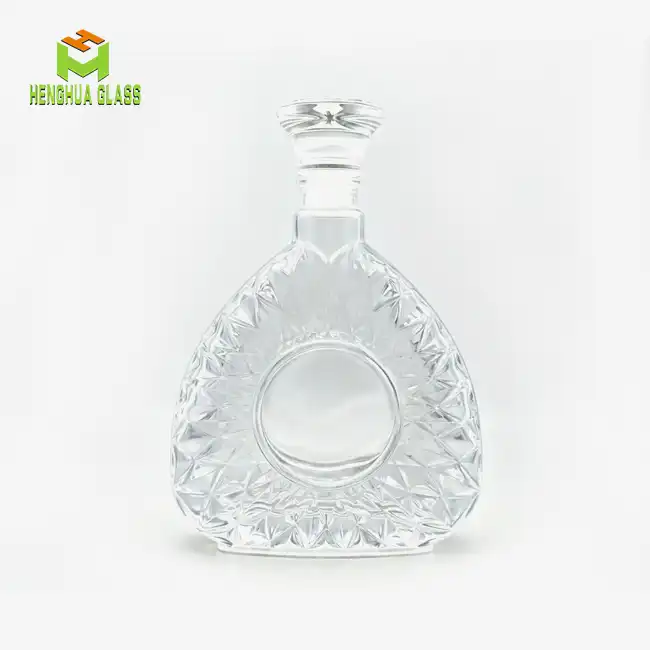
Understanding the Role of Glass Wine Bottles in Wine Preservation
For hundreds of years, glass packaging has been used in the drinking business and earned a good image. The main benefit is that the material is completely chemically inert—glass doesn't have any reactive molecules that could get into wine and change the delicate balance of tannins, acids, and flavor esters. Unlike plastic containers, which can let out phthalates and other chemical compounds, glass keeps the contents completely separate from the surroundings.
Why Glass Outperforms Alternative Packaging
There are many weak spots in plastic and bag-in-box options. Plastic polymers have measured oxygen transfer rates that let air slowly get in and start oxidative reactions that make tastes bland and colors less intense. While bag-in-box methods are useful for releasing large amounts of wine, they are not structurally rigid enough for long-term storage and often introduce micro-oxygenation through valves.
Because it is completely impermeable, glass takes away these worries. Silica-based glass has a chemical structure that looks like a network with no breaks at the tiny level. Oxygen ions can't get through this barrier, so wine stays in its original state for decades if it's sealed correctly. This trait is especially useful for red wines and spirits that age in complicated ways and where even small amounts of oxygen can mess up growth.
Key Factors Causing Wine Degradation
Oxygen exposure, ultraviolet light, and changes in temperature are three natural factors that make wine go bad faster. Oxidation processes turn ethanol into acetaldehyde, which gives off smells that remind people of bruised apples. UV light breaks down phenolic molecules, which are what keep colors stable and protect cells from damage. Changes in temperature cause the liquid amount to repeatedly expand and shrink, which could weaken the closure.
Glass bottles have built-in defenses against all of these threats. When the bottoms of bottles are thickened, they add thermal mass that protects against sudden changes in temperature during storage and shipping. Certain types of glass, like amber and cobalt blue, block UV bands below 450 nanometers. These are the frequencies that are most harmful to wine chemistry. Standardized neck finishes make sure that cork or screw-cap closures always shut properly, keeping the anaerobic conditions that are needed to keep the quality.
The Impact of Bottle Thickness and Color
When purchasing managers look at glass specs, they should know that the amount of protection is directly related to the thickness of the walls. Standard bottles have walls that are 3–4 mm thick, which is thick enough for home distribution and mild aging. For better UV protection and strength during foreign shipping, premium parts ask for 5–6 mm walls. The extra weight of the glass also makes it better at keeping temperatures stable in logistics areas that don't have climate control.
Choosing the right color is important for more than just looks. Transparent glass lets you see the brightness and fill level of the bottle, but it doesn't block UV light very well, so it's only good for white wines that will be drunk within two years. Because it blocks about 90% of UV rays, amber glass is the best choice for drinks and wines that will be stored for a long time. Blue, green, and black are some of the custom color blends that offer different levels of light blocking and help brands stand out.
Types and Sizes of Glass Wine Bottles and Their Impact on Storage
The type of glass wine bottle affects how quickly the product ages and where it stands in the market. Oxygen exposure rates in wines packed with natural cork are based on the volume-to-surface-area ratio. Over time, this allows for very small gas exchanges. This micro-oxygenation process is slowed down by larger sizes, which is why fans love magnums because they age better.
Standard Bottle Volumes and Their Applications
The 750ml glass wine bottle size rules the world's markets because it has been used for a long time and is known to consumers. This size is just right for most varietal wines in terms of how easy it is to handle and how long it can last. There are a few specific uses for the 500ml and 375ml sizes. These include dessert wines with more residual sugar, expensive spirits sold as gifts, and flight service where weight limits make smaller units more practical.
Larger sizes, like magnums (1500ml), double magnums (3000ml), and imperials (6000ml), are popular with fans and places that serve food. The lower oxygen-to-wine ratio in these bottles slows maturity, which keeps the fruit flavors and makes the best drinking windows last longer. When buying for restaurant groups, procurement teams often ask for magnum programs to show off top wines with better age profiles.
Henghua has container sizes that can be changed from 100ml to 1000ml, as well as normal 16oz and 18oz sizes that fit the needs of the North American liquor market. This gives beverage companies the freedom to perfectly match container amount to product placement without having to make any changes to the tools they use.
Bottle Shapes and Their Functional Advantages
Bordeaux bottles have high shoulders that catch sediment when you pour them. This makes them perfect for tannic red wines that get sediment on the sides over time. Burgundy bottles have a more gentle rise, which keeps sediment from moving around and makes them easier to handle. Champagne bottles have stronger walls and larger punts so they can handle pressures inside that are higher than six atmospheres.
The choice of glass wine bottle shape should match the expectations of the product category. People usually think of Cabernet Sauvignon and Merlot when they see the shape of a Bordeaux wine and Pinot Noir or Chardonnay when they see the shape of a Burgundy wine. Custom forms help new brands stand out visually, but production minimums usually need to be higher than 50,000 units to make the mold investment worthwhile.
Specialty and Customized Designs
Packaging is becoming more and more important in the global drinks market as a way to set one brand apart from another. For instance, cognac and brandy bottles in the shape of violins sell for a lot more because they are like works of valuable art. Brands can put images and names directly on glass surfaces using screen printing, internal carving, and gold stamping. This makes the branding impossible to remove, even after being handled and washed.
Henghua lets you change the size, color, shape, brand, and even the way the surface is treated, such as by hot pressing, bronzing, thermal transfer printing, and spray painting. These choices can help procurement teams create unique trade dress that makes products stand out on shelves and helps tell the brand's story in foreign markets.
Environmental and Economic Benefits of Using Glass Wine Bottles
More and more, choices about packaging for all types of drinks and booze are based on sustainability factors. Glass has a closed-loop recycling method that means cullet (recycled glass) can always be used instead of new raw materials without lowering the quality. Contemporary factories use up to 90% reclaimed materials in the production of amber and green glass. This uses a lot less energy and carbon than making glass from scratch.
Recycling Process and Environmental Impact
The first step in reusing glass is to collect it and sort it by color to prevent contamination. Cullet that has been cleaned goes into kilns that are around 1500°C and melts with silica sand, soda ash, and limestone. The molten glass is then formed into new glass wine bottle molds according to customer requirements. Because the chemistry of glass stays the same through infinite recycling processes, each bottle could possibly be recycled over and over again without breaking down.
In plastic wrapping, on the other hand, polymer chains break down after being heated over and over again. Because of worries about quality, most plastic bottles have a mix of new resin and some recycled material. Plastic trash that doesn't get picked up stays in ecosystems for hundreds of years, breaking down into tiny pieces called microplastics that pollute water and food chains.
Cost-Efficiency in Bulk Procurement
Buying in bulk can save you a lot of money on glass packaging. Mold making costs are spread out over multiple production runs, which lowers the cost per unit as order numbers rise. Henghua runs 10 sets of 150-ton glass melting furnaces with fully automated production lines that can make up to a million units per furnace every day. When procurement managers are negotiating yearly supply deals, this ability helps keep prices reasonable.
Total cost of ownership is also affected by how long something lasts. Glass can be washed and sterilized over and over again without losing its shape or chemicals. This makes it possible for controlled-loop distribution systems to use reuse programs. Wineries with tasting rooms and direct-to-consumer channels can set up deposit programs that get bottles back after they've been cleaned and refilled. This cuts down on handling costs by a huge amount and makes the winery look more environmentally friendly.
How to Select the Right Glass Wine Bottle for Your Business Needs
When making procurement choices, you have to weigh a lot of technical and business aspects. Shipping weight and product security of a glass wine bottle are both affected by glass thickness. This is an important factor to consider because freight costs go up with the total box mass. Color choices have an equal effect on how people think about a brand and how well wine stays fresh. The shelf life and ease of use for customers depend on how well the closures work together.
Essential Selection Criteria
The minimum wall thickness should be set by procurement managers based on the distance of distribution and the amount of handling. For shipping within climate-controlled logistics networks within the United States, 3mm walls may be enough, but for export programs that go to multiple countries, 4-5mm walls are better because they lower the chance of breaking. Thickened bottle cases also give the impression of being high-end, which affects how customers think about quality at the point of sale.
Color choice needs the same amount of care. Amber glass blocks wavelengths below 450 nm that break down phenolic substances, making it the best UV protection for goods that will be stored for more than one year. Clear glass wine bottle options are ideal for white wines and beverages and drinks because they make them look better, but brands should teach customers how to store them properly so they don't get direct sunlight on them. Custom colors, like blue, green, or black, help brands stand out while offering a medium amount of UV protection.
Comparative Analysis: Glass vs. Alternative Materials
While plastic bottles are lighter and less likely to break, they lower the quality of wine by letting air in and possibly changing the flavor. Bag-in-box forms work well for high-volume food service uses, but they don't have the high-end look that glass does. Aluminum bottles are portable and can be used outside, but they need to be coated on the inside, which could change the way the wine tastes.
Glass is still the best choice for packing items whose quality needs to be kept for a long time. The material is completely inactive, so it doesn't change the taste of anything, and it doesn't let oxygen through, so strict anaerobic conditions are maintained. These qualities are very important for wines and spirits that are going to be aged for a long time, because even a small amount of air would stop the growth process.
Partnering with Reputable Suppliers
Strategic packaging partners are different from transactional sellers when it comes to supply chain stability. Teams in charge of buying things should look at providers based on their production capacity, quality certifications, ability to customize products, and help with transportation. Henghua is certified by CE, FDA, SGS, and LFGB, which means it meets the major standards for the foreign market. Our 20-year history of manufacturing shows that our quality and supply chain have been stable.
Private label brands can make their own unique position in the market with the help of customization services. Using high-temperature drying, screen printing puts names and graphics directly on glass surfaces. This makes sure that the designs last even after being handled and washed. Internal carving makes three-dimensional effects inside glass walls, which makes branding that can't be changed obvious. Gold printing and bronzing add shiny touches that make the item look high-end.
Case Studies: How Glass Wine Bottles Have Enhanced Wine Longevity and Brand Value
There is real-world proof that glass packing has an effect on the quality of a product and its success in the market. Premium winemakers always use glass for their most important releases that are meant to be stored for a long time, because they know that the quality of the packing directly affects how well the wine will age. The neutral chemistry of the material keeps the complex flavors that develop over decades, and the material's clarity lets fans see how the sediments form and the colors change.
Success Stories from Leading Producers
Small wineries have used custom glass shapes to make their brands known in foreign markets that are very competitive. Different bottle forms are like visual symbols that help people recognize brands even before they read the labels. This brand equity that comes from the packaging is especially useful in foreign markets where language hurdles make it harder for labels to communicate clearly.
Spirit names follow the same trends. Collectors want limited editions that come in unique glass bottles for reasons other than the liquid ingredients. The package itself turns into a valuable item, which encourages sales on the secondary market and boosts the reputation of the brand. Purchasing managers can take advantage of this by asking for custom molds that balance being unique with making production go quickly.
Innovations in Lightweight Glass Design
Recent improvements in production have made it possible to reduce the thickness of walls without lowering their power. Computer modeling improves the way the glass is distributed by putting more material at stress points and less in areas that aren't as important. These designs make things lighter, which lowers the cost of shipping and the amount of pollution they cause. For example, a 750ml bottle that weighs 400g instead of 500g saves 20% on freight costs for large orders.
Advanced finishes make function even better. Thin coats of clay added to the outside of surfaces make them less likely to get scratched, keeping their good looks even after being handled during distribution. Interior coats can stop neutral spirits from leaking alkaline, but this isn't needed for wine because the inertness of the glass already keeps chemicals stable.
Conclusion
Due to their proven material benefits, which directly protect the product's quality, glass wine bottles continue to rule the elite beverage package market. Chemical inertness, total impermeability, and UV filtration work together to make the best environment for preserving wine. This environment keeps the wine's integrity over years of keeping and shipping around the world. When procurement managers select glass, they have access to a wide range of customization choices that help brands stand out while still meeting international safety standards. As concerns about the environment grow, the closed-loop method for reusing glass makes it a better choice than single-use plastics. Strategic relationships with makers like Henghua give growing brands the technical know-how and production scale they need to succeed in foreign markets.
FAQ
Why is glass consistently favored over plastic for wine packaging?
Glass is completely chemically inert and doesn't let air through, so it stops food from going bad and losing its taste like plastic packaging does. Plastic polymers can let air through at measured rates and can leach compounds into wine, which can ruin the taste and shorten its shelf life. Glass keeps the chemistry of wine the same over long periods of time, which makes it necessary for goods that need to be able to age for more than one year.
Can glass bottles be recycled efficiently in large volumes?
Glass recycling is a real closed-loop system, which means that cullet can always be used instead of new raw materials without lowering the quality. These days, modern buildings use up to 90% recycled materials while still keeping their structure and clarity. Because glass's structure is solid, it can be recycled over and over again. This is in contrast to plastics, which break down after repeated processing.
How does bottle thickness affect wine preservation and transportation safety?
Thicker glass walls are better at blocking UV light, keeping heat in, and protecting against damage during shipping. Standard walls of 3–4 mm work well for local distribution, while walls of 5–6 mm thickness work better for foreign logistics that have to deal with temperature changes and handle stress. Thicker materials are also less likely to break, which lowers the total cost of ownership even though they cost more to package at first.
Partner with Henghua for Premium Glass Wine Bottle Solutions
Henghua has been making specialized glass products for more than twenty years and works with beverage brands that want reliable packing that keeps products safe and improves brand image. Our wide range of products includes glass wine bottles that can be customized and come in sizes from 100 ml to 1000 ml. They can be amber, clear, blue, or any other color that fits your needs for preservation and your brand's style. We offer full ODM/OEM services, such as screen printing, internal embossing, gold stamping, and thermal transfer printing, so you can make unique packaging that stands out on the shelf. Our CE, FDA, SGS, and LFGB certifications help procurement managers make sure that their products are compliant in all of the major foreign markets. You can talk to an expert glass wine bottle supplier by emailing denny@henghuaglass.com, or you can visit www.glassbottles.cn to see our full list and learn more about how we can customize your order.
References
1. Smith, J. & Anderson, K. (2021). Glass Packaging Technology and Wine Preservation Science. International Journal of Food Science and Technology, 56(4), 1823-1835.
2. European Container Glass Federation. (2022). Sustainability and Circular Economy in Glass Manufacturing. Brussels: FEVE Publications.
3. Robinson, P. (2020). The Oxford Companion to Wine Packaging: Materials, Design, and Quality Impact. Oxford University Press.
4. Chen, L., Martinez, R., & Thompson, D. (2023). UV Light Protection in Colored Glass Wine Bottles: A Comparative Analysis. Packaging Technology Review, 38(2), 112-128.
5. International Organization of Vine and Wine. (2022). Standards for Wine Bottle Design and Quality Preservation. Paris: OIV Technical Documents.
6. Williams, H. & Gonzalez, M. (2021). Supply Chain Optimization in Global Beverage Glass Packaging. Journal of Supply Chain Management, 45(3), 267-284.
Learn about our latest products and discounts through SMS or email