- English
- French
- German
- Portuguese
- Spanish
- Russian
- Japanese
- Korean
- Arabic
- Irish
- Greek
- Turkish
- Italian
- Danish
- Romanian
- Indonesian
- Czech
- Afrikaans
- Swedish
- Polish
- Basque
- Catalan
- Esperanto
- Hindi
- Lao
- Albanian
- Amharic
- Armenian
- Azerbaijani
- Belarusian
- Bengali
- Bosnian
- Bulgarian
- Cebuano
- Chichewa
- Corsican
- Croatian
- Dutch
- Estonian
- Filipino
- Finnish
- Frisian
- Galician
- Georgian
- Gujarati
- Haitian
- Hausa
- Hawaiian
- Hebrew
- Hmong
- Hungarian
- Icelandic
- Igbo
- Javanese
- Kannada
- Kazakh
- Khmer
- Kurdish
- Kyrgyz
- Latin
- Latvian
- Lithuanian
- Luxembou..
- Macedonian
- Malagasy
- Malay
- Malayalam
- Maltese
- Maori
- Marathi
- Mongolian
- Burmese
- Nepali
- Norwegian
- Pashto
- Persian
- Punjabi
- Serbian
- Sesotho
- Sinhala
- Slovak
- Slovenian
- Somali
- Samoan
- Scots Gaelic
- Shona
- Sindhi
- Sundanese
- Swahili
- Tajik
- Tamil
- Telugu
- Thai
- Ukrainian
- Urdu
- Uzbek
- Vietnamese
- Welsh
- Xhosa
- Yiddish
- Yoruba
- Zulu
How to Design a Rum Bottle That Stands Out on Retail Shelves?
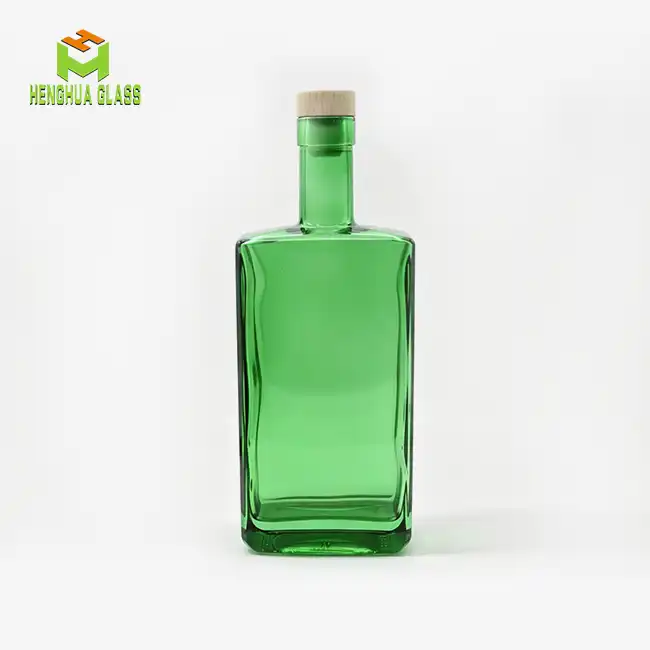
To make a rum bottle that stands out, you need to know that the package is like a quiet salesperson for your brand. A custom glass rum bottle takes regular drinks and turns them into high-end ones by using smart design choices that appeal to people right away. In addition to looking good, these bottles communicate history, quality, and value, which are three things that shoppers look for in a busy store. Strategic bottle design uses choice of material, new structure, and art on the outside to make unique packaging that stands out on shelves and supports a brand's place in the competitive spirits market.
Introduction: The Strategic Role of Bottle Design in Rum Brand Success
There is a lot of competition in the spirits business. For example, hundreds of rum names are all fighting for customers' attention on store shelves. A lot of the time, the style of your bottle is what makes a possible customer pick up your product or not. Custom glass rum bottles solve this problem by turning useful cases into strong marketing tools that quickly show what a brand stands for.
20 years of experience in manufacturing have taught us that brand creators and procurement managers see packing as more than just a cost. They see it as an investment in the future. The right bottle design changes how people think about a product, supports high prices, and helps people remember a brand over time. This guide gives you useful information on how to create and find rum bottles that have a noticeable effect on sales while also meeting the needs of global B2B buying.
Understanding the Problem: Why Traditional Rum Bottle Designs Often Fail on Shelves
The Commoditization Challenge in Spirits Packaging
A lot of rum brands have trouble being seen in stores because they use generic bottle styles that don't make their goods stand out. When your package looks a lot like dozens of others on the market, customers choose based on price instead of brand choice. This commoditization cuts into profits and hurts the growth of brand value. Consumer behavior research shows that people decide what to buy within three to seven seconds of seeing it for the first time. This means that your product doesn't have much time to make an impact.
Misalignment Between Brand Story and Physical Packaging
The history, production methods, and taste profile of your rum should be reflected in the way the bottle is designed. When using traditional packing methods, these brand stories are often separated from the actual form, which makes it hard to figure out where a product fits in the market. An expensive aged rum in a normal cylindrical bottle sends mixed messages about value and quality. This misalignment affects both consumer and business-to-business (B2B) buying choices, since sellers choose which products to stock based on how appealing they are to customers and how well they can set them apart in the market.
Sustainability Concerns Impacting Procurement Decisions
More and more, package standards are being affected by environmental factors, especially in North American and European markets. Glass packaging is easier to recycle, but the total sustainability rating depends on the design choices made. Heavy bottles need more materials and produce more pollution during shipping, and some ornamental treatments make recycling more difficult. Professionals in procurement now have to balance the need for good looks with the need to protect the environment. They look for suppliers who understand these competing goals and offer environmentally friendly customization choices that don't hurt the look.
Core Principles of Designing Custom Glass Rum Bottles That Capture Attention
Material Selection: Glass Types and Their Visual Impact
Choosing the right glass material is the first step in making a bottle design that stands out. High-transparency glass creates beautiful visual effects that show off the color and brightness of liquids. This is especially useful for golden-aged rums, where good looks are a sign of quality. Colored glass, like amber, blue, or unique shades, blocks UV rays and makes the product stand out on the shelf. Amber glass is often used to present high-end rums because it keeps the spirit's integrity from being damaged by light and also makes people think of history and tradition.
Adding frosted glass treatments to goods makes them stand out in busy stores by giving them a different look and feel. The smooth inner walls keep the product's structure, and the frosting on the outside makes handling it unique. The thickness of the glass shows quality through weight and sturdiness, and thicker bottle bodies offer strong construction that matches how people think of high-end value.
Structural Design: Shape, Ergonomics, and Brand Storytelling
The design of a bottle should strike a mix between how it looks and how well it works. Round shapes are classic and easy to make, while squared or rectangular forms make the best use of shelf space and make current visual statements. When compared to their spherical competitors, flat glass bottles stand out because they have big areas that can be decorated.
Ergonomic factors affect the user experience in places other than stores. The shape of the neck affects how well it pours and how well it closes, and the shape of the body affects how comfortable it is to hold during service. These useful parts are part of the story behind the brand. For example, heritage brands might use historical bottle shapes as inspiration, while modern craft makers use new geometries that show creative ways of making rum.
Surface Decoration: Techniques That Amplify Shelf Presence
Customization lets you turn plain glass cases into labeled items by decorating them in a variety of ways. Here are the best ways to treat the outside of a custom glass rum bottle to make it stand out:
Embossing and Debossing: These methods make three-dimensional brand elements that are directly pressed into glass surfaces. They provide lasting decoration that communicates a high-end position through physical interaction. Logos and designs that are embossed catch light in different ways, making them interesting to look at from different angles.
Screen Printing and Gold Stamping: Direct glass printing lets you use many colors for complicated graphics, text, and marking elements. Gold and bronze stamping add shiny details that make the product look expensive and traditional. This works especially well for high-end product lines that are meant to be bought as gifts or for special occasions.
Internal Engraving and Spray Painting: Advanced ways to decorate. For example, internal cutting makes complex patterns inside glass walls for more complex visual effects. Spray painting lets you add full-coverage color effects and gradients that you can't do with other marking methods.
These choices for decoration work well with the closing choice. The looks and functions of caps made of wood, metal, and plastic are all different. Gold, silver, black, and custom-colored seals finish off the look of the package and do a great job of closing to keep the aroma inside and stop leaks. The right mix of glass material, structural design, and surface art makes for seamless packaging that tells your brand's story well and meets technical needs for mass production and an efficient supply chain.
Step-by-Step Process: How to Design and Procure Custom Glass Rum Bottles
Defining Your Design Vision and Technical Requirements
Clear definition of brand goals, target market standards, and operating limits are the first steps to successful bottle development. When designing your custom glass rum bottle, write down the amount of space you need (500 ml, 750 ml, or custom volumes) and the colors you want (amber, clear, blue, or custom shades). Explain how the bottle will be used for things other than rum. The same bottle shape can be used for different types of spirits, like whiskey and gin, which saves time and money during production.
Early on in the planning process, think about what the closing needs are. Screw caps make things easier to use and close well, while cork closures show history and high quality. For regulatory compliance and customer trust, roll-type seals show that the product has not been tampered with.
Evaluating and Selecting Manufacturing Partners
The success of your custom glass rum bottle project depends on the capabilities, dependability, and level of help that are chosen for the supplier. Manufacturers with a full production infrastructure, such as multiple glass melting furnaces and automatic production lines, can provide the stability and scalability that growing brands need. Production capacity indicators, such as daily output amounts, show whether the company will be able to meet the needs of both current sales and future growth.
Certification compliance shows that a product meets standards and can get into new markets. Certifications from the CE, FDA, SGS, and LFGB make sure that goods meet safety and quality standards in major markets, such as the US, where following the rules protects your brand's image and legal standing. Manufacturers that offer both ODM and OEM services let you choose how much customization you want, from small changes to fully unique designs.
Making the cost structure clear helps with making purchases and managing budgets. Factory-direct price models get rid of markups on goods sold by middlemen, and established supply chain systems make sure that materials are always available and that production schedules are always kept. Ask for thorough quotes that include the cost of the tools, the price per unit at different numbers, the cost of decoration, and the cost of the closure components.
Prototyping, Sampling, and Production Timeline Management
During the development process, organized schedules are usually used to find a balance between the difficulty of customization and the need to get the product to market quickly. Sample development usually takes 25 days, which includes making the mold, doing the first production runs, and checking the decorations. Before committing to mass production, this step lets the plan be checked for any changes that need to be made.
Depending on the number of items and how complicated the decoration is, mass production usually takes 30 days from the time the order is confirmed. When manufacturers offer free samples, it shows that they are confident in their products and lowers your financial risk while you test them. Transportation loss reimbursement services add another layer of security to purchases, keeping store investments safe from damage during shipping.
Quality control rules should take into account both how things look and how they work. During inspections, things are usually annealed, stressed to stop them from breaking on their own; measured to make sure they fit together properly; and their surface quality checked for flaws that can be seen. Pendulum impact testing mimics the pressures of handling, and leaking testing using real closures confirms that the seal will stay intact while being stored.
Comparing Custom Glass Rum Bottles with Alternative Packaging Options
Glass Versus Plastic: Material Implications for Brand Positioning
Material choice for your custom glass rum bottle has a big impact on how people see a brand and where it stands in the market over time. People who like rum, especially aged and super-premium types, connect with glass wrapping because it represents high quality and historical values. The inactive qualities of the material keep flavors from getting messed up, so the spirit stays pure throughout its entire lifecycle. Translucent glass shows off the color and clarity of liquids, giving buyers clear quality markers that affect their decisions to buy.
Plastic options are cheaper to make and are less likely to break during shipping, which makes them appealing to brands that focus on value. When you think about how people see these benefits, they become less important because plastic packaging has a hard time communicating a high status no matter what the liquid quality is. For environmental reasons, glass is becoming more popular because it is easy to recycle and people like using eco-friendly products.
Balancing Customization Depth with Production Economics
Changes to standard bottles, like labels and seals, can be made at a low cost, making them stand out for new brands that don't have a lot of money. This method lets you test the market with few investments in tools while keeping production flexible. Custom mold development gives designers full freedom, letting them make unique bottle styles that other companies can't copy. This investment in a custom glass rum bottle usually comes with higher minimum order quantities, but it gives you the best security for your business and intellectual property.
The choice of decoration method strikes a balance between how it looks and how much it costs. Premium techniques like gold stamping and internal engraving have higher per-unit costs that are supported by their placement in the luxury market. Screen printing and heat transfer, on the other hand, offer detailed graphics at moderate prices. Companies that make a lot of different kinds of decorations can help with phased methods. At first, they can use easier treatments, and as the brand becomes more popular, they can add more complicated ones.
Local Versus International Sourcing Considerations
Where you choose to source goods affects prices, lead times, and the dependability of the supply chain. Through economies of scale and linked supply chains, Asian manufacturing, especially from well-known glass-making regions in China's Jiangsu province, offers big savings on costs. When compared to smaller area providers, production capacity concentration speeds up the development of tools and cuts down on production processes.
To handle shipping times and inventory cycles when you're buying from other countries, you need to carefully plan your logistics. Ocean freight usually adds four to six weeks to delivery times, so it's important to plan ahead to make sure that your schedule fits with yearly demand patterns and marketing dates. Manufacturers with a lot of experience exporting can help you deal with customs rules and provide the paperwork you need for foreign transactions to go smoothly.
Maximizing Brand Value: How Custom Glass Rum Bottles Boost Your Market Presence
Measurable Impact of Distinctive Packaging on Sales Performance
Data from the beverage business shows a strong link between how unique the package is and how well it does in the market. Brands that spend money on custom bottle development say that their products stand out more on store shelves, more new customers try them, and people think they are worth more, which supports their higher price strategies. The bottle becomes a permanent marketing tool that can be used in all lines of sales without having to keep spending money on ads.
Unique packaging makes it easier to recognize and remember a brand, which is important for building trust in competitive areas. People feel connected to a brand when the packaging is well-designed and shows the brand's attitude and ideals. This psychological aspect goes beyond the initial purchase, as memorable bottles lead to return purchases and suggestions from other people. Glass packaging is durable and often stays around for a long time after it has been opened. This gives the brand ongoing exposure, which makes marketing more effective.
Sustainability as Competitive Differentiation
Environmental responsibility affects customer choices and buying habits more and more, especially among younger people and in places that care about the environment. Custom glass rum bottles naturally support claims of sustainability because they can be recycled over and over again without losing any quality. Using marketing materials to talk about these environmental benefits strengthens the brand's place among eco-conscious customers and meets the corporate responsibility needs of big retail partners.
Lightweighting programs cut down on the amount of materials needed and the damage that shipping can do, without affecting the strength of the structure or the way it looks. These changes are made possible by new glass formulations and better thickness distributions. The glass still has the solid feel that people connect with quality. Working with makers who know about sustainable design makes sure that environmental goals don't get in the way of brand appearance needs.
Future Trends Shaping Rum Packaging Innovation
New technologies like digital printing make customization easier by allowing for smaller production runs with complicated drawings and the ability to use variable data for one-of-a-kind and limited edition items. Adding NFC tags and QR codes to smart packaging turns bottles into interactive brand experiences by linking real goods to digital content, authentication systems, and sites for engaging customers.
Adding new textures to surfaces and treating them in more advanced ways creates multidimensional experiences that set goods apart in stores where customers interact with packaging before buying it. Finishes that change color based on temperature, soft-touch coats, and detailed patterns add more ways to interact with the design than just looking at it.
Conclusion
Strategic rum bottle design turns packaging from a necessary evil into a strong brand asset that boosts sales and establishes a long-lasting presence in the market. Custom glass rum bottles give you unique chances to stand out by choosing the right material, coming up with new ways to build things, and decorating the surface in a way that immediately communicates your brand's values. Aesthetic vision and practical concerns, such as production costs, supply chain operations, and legal compliance, must be balanced in order for a project to be successful. Working with seasoned makers gives you access to the technical know-how, production capacity, and customization options that you need to turn design ideas into goods that are ready for sale, stand out on store shelves, and appeal to your target customers.
FAQ
What are typical lead times for custom rum bottle production?
Lead times depend on how customized something is and how many of them are ordered. Sample development with the creation of a new cast usually takes 25 days. This gives the designer time to check the design before committing to a large order. After an order is confirmed, mass production usually takes 30 days, but common changes to current bottle shapes may ship faster. Complex decorating methods, such as printing in multiple colors or etching on the inside, can make the process take longer. When buying from foreign manufacturers, planning your inventory needs 60 to 90 days before the times you need to send them helps with production cycles and international shipping.
Can small-batch producers access custom bottle design?
More and more, manufacturers are letting craft makers and new brands use flexible minimum order amounts. In the past, custom mold development needed a lot of orders to be worth the cost of the tools. However, some suppliers now offer scalable choices, such as changes to current bottle families or shared mold programs. Production sizes range from 100ml to 1000ml, and there are several closure choices to serve a wide range of product lines. Talking to possible sellers about your exact volume projections and growth timeline helps you find relationship opportunities that fit your business's stage and budget.
How do eco-friendly glass options compare in cost to traditional materials?
Most of the time, sustainable glass recipes are about the same price as regular materials. This is because the environmental benefits come from better production methods rather than using rare raw materials. Bottles that are lighter may actually save money because they use less material and are easier to move. The total cost equation should take into account how sustainable messages can raise the value of a brand and how more and more people want environmentally friendly packaging. This can support higher prices that cover any extra material costs.
Partner with Henghua for Custom Glass Rum Bottle Excellence
Your brand should have packaging that stands out and makes people want to buy it in stores with lots of other brands. Henghua has been making glass products for more than 20 years and brings that experience to every custom glass rum bottle project. They offer advanced production skills as well as full customization services that are suited to your brand's vision. Our building has 10 sets of 150-ton glass melting ovens and fully automated production lines that can make up to 1 million units per day and can be expanded as your business grows.
We offer full ODM and OEM services that cover all aspects of design, from choosing the shape and size of the bottle to applying different finishes to the outside, such as gold stamping, screen printing, internal engraving, and thermal transfer printing. Our closures come in wood, metal, and plastic, and their colors can be changed to match your box design. They also seal very well. International certificates from CE, FDA, SGS, and LFGB show that we are dedicated to high standards that meet the needs of the global market.
As a well-known provider of custom glass rum bottles, we can offer you low factory-direct prices, free samples to help you decide on a design, and shipping loss compensation to protect your purchase investment. Standard items are sent out right away, but special orders have set times for trial (25 days) and mass production (30 days). Get in touch with our team at denny@henghuaglass.com to talk about your project needs and learn how Henghua can turn your ideas for packing into goods that are ready for the market and help your rum brand.
References
1. Robertson, G. L. (2016). Food Packaging: Principles and Practice. CRC Press, examining material properties and consumer perception factors in beverage packaging design.
2. Stewart, B. (2018). Packaging Design Strategy: Bringing New Products to Market. Proactive Worldwide Inc., analyzing the relationship between package design and retail sales performance.
3. Klimchuk, M. R., & Krasovec, S. A. (2012). Packaging Design: Successful Product Branding From Concept to Shelf. John Wiley & Sons, detailing design principles for consumer goods differentiation.
4. Ampuero, O., & Vila, N. (2006). Consumer perceptions of product packaging. Journal of Consumer Marketing, 23(2), 100-112, investigating how packaging elements influence brand positioning.
5. Magnier, L., & Crié, D. (2015). Communicating packaging eco-friendliness: An exploration of consumers' perceptions of eco-designed packaging. International Journal of Retail & Distribution Management, 43(4), 350-366.
6. Rundh, B. (2009). Packaging design: creating competitive advantage with product packaging. British Food Journal, 111(9), 988-1002, examining packaging's strategic role in brand differentiation.
Learn about our latest products and discounts through SMS or email