- English
- French
- German
- Portuguese
- Spanish
- Russian
- Japanese
- Korean
- Arabic
- Irish
- Greek
- Turkish
- Italian
- Danish
- Romanian
- Indonesian
- Czech
- Afrikaans
- Swedish
- Polish
- Basque
- Catalan
- Esperanto
- Hindi
- Lao
- Albanian
- Amharic
- Armenian
- Azerbaijani
- Belarusian
- Bengali
- Bosnian
- Bulgarian
- Cebuano
- Chichewa
- Corsican
- Croatian
- Dutch
- Estonian
- Filipino
- Finnish
- Frisian
- Galician
- Georgian
- Gujarati
- Haitian
- Hausa
- Hawaiian
- Hebrew
- Hmong
- Hungarian
- Icelandic
- Igbo
- Javanese
- Kannada
- Kazakh
- Khmer
- Kurdish
- Kyrgyz
- Latin
- Latvian
- Lithuanian
- Luxembou..
- Macedonian
- Malagasy
- Malay
- Malayalam
- Maltese
- Maori
- Marathi
- Mongolian
- Burmese
- Nepali
- Norwegian
- Pashto
- Persian
- Punjabi
- Serbian
- Sesotho
- Sinhala
- Slovak
- Slovenian
- Somali
- Samoan
- Scots Gaelic
- Shona
- Sindhi
- Sundanese
- Swahili
- Tajik
- Tamil
- Telugu
- Thai
- Ukrainian
- Urdu
- Uzbek
- Vietnamese
- Welsh
- Xhosa
- Yiddish
- Yoruba
- Zulu
Are glass tube wine bottles reusable?
Glass tube wine bottles provide an attractive and eco-friendly packaging choice for the alcoholic beverage, spirits, and specialty liquid industries. But can these smooth, round cases be reused? The short answer is yes, provided they are cleaned, sanitized, and inspected in accordance with the proper protocols. These bottles are constructed of borosilicate or soda-lime glass of superior quality and engineered to be durable and non-reactive to chemicals. If done correctly, they can be used time and time again. Because they are well-made, have uniform wall thickness, and operate with high-tech closing systems, manufacturers can take circular economy ideas on board without compromising the safety or quality of their products. To understand reusability, you need to look at the qualities of the material, hygiene requirements, and cost-benefit aspects that are unique to your buying needs.
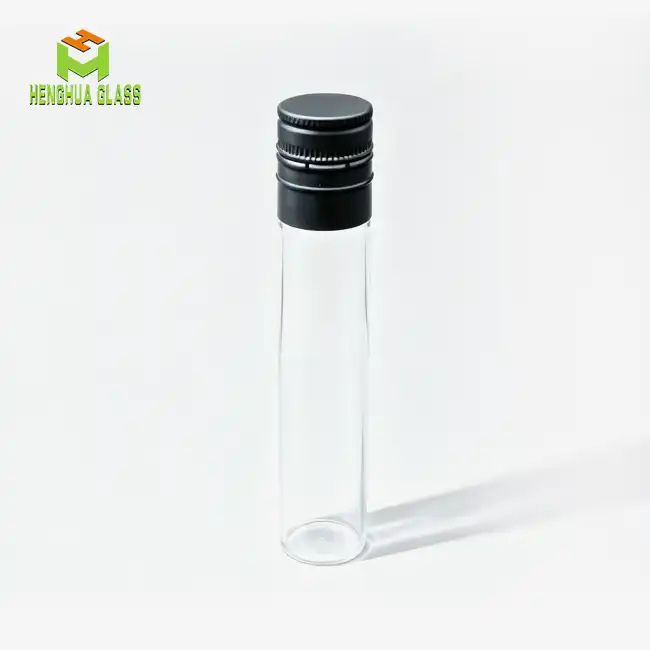
Understanding Glass Tube Wine Bottles and Their Reusability
What Defines a Glass Tube Wine Bottle?
Glass tube wine bottles are manufactured from continuous glass tubing with great care, creating a beautifully transparent bottle that is the same width all the way through. This type of production lends itself to cylindrical packaging that is most efficient for premium spirits, artisanal brewers, and tastings of premium beverages. Bottles normally come in sizes from 100 ml to 750 ml; however, the size can be adjusted to suit the requirements of a particular brand. The structural stability of these parts is provided by the controlled outer circle tolerances (±0.2 mm) and a uniform wall thickness of 1.0 mm to 1.5 mm. These properties also make them reusable.
The type of substance, either Type I borosilicate glass or premium soda-lime glass, makes it hydrolytically resistant to Class HGB1. This means that the chemicals can't diffuse around and modify the properties of liquids. Because they are inert, they can be reused many times in commercial applications, provided that quality control criteria are maintained during the lifetime of each.
Industry Standards and Safety Considerations
Teams procuring goods for their companies should recognize that one of the key elements in enabling reuse is compliance with international standards. Glass tube wine bottles produced to the specifications of ISO 12775 and that pass the ASTM C148 annealing quality tests will have lower internal stress, therefore reducing the likelihood of spontaneous breakage during refilling operations. The container is approved by the FDA and LFGB; hence, it is safe for food contact and is able to sustain axial pressure without any structural damage during the closure process, as proven by the vertical load strength test.
Hygiene laws mandate used bottles must pass grain titration tests to prove they can stand up to chemicals over time and hoover leaking tests to show the systems shutting them keep air out. These tight requirements are important for organisations who want to employ reusable packaging as they also protect the brand image and the safety of the end client.
Benefits of Reusing Glass Tube Wine Bottles in Procurement and Production
Environmental and Sustainability Advantages
Using wine glass tube bottles that can be reused fits well with circular economy concepts that are increasingly demanded by global markets. By utilising each bottle several times, brands reduce their overall carbon footprint and lessen the quantity of glass waste that ends up in landfills. Making new glass requires a lot of energy, as the raw components must be melted at temperatures over 1,500°C. In contrast, washing and refilling old bottles takes far less energy per unit. This reduction is a positive environmental impact that procurement managers attempting to accomplish their sustainability targets can quantify and is appreciated by environmentally conscientious clients and government authorities.
Businesses that reuse programs also safeguard resources by reducing the demand for mining raw silica, soda ash, and limestone. This approach demonstrates the company's concern for the community and satisfies the increasing desire from customers for brands to play an active role in the environment's protection.
Cost Efficiency and Supply Chain Optimization
Reusability is not only healthy for the world; it's also good for the pocketbook. If you buy less often, you reduce annual buying budgets. If you streamline logistics for bulk cleaning and refilling operations, you reduce shipping costs per bottle. Buying decent reusable containers today will save you money in the long term (particularly if you buy from brands that produce many products at once).
Supply chain directors get the ability to plan ahead for managing inventories when dealing with durable packaging. The tube format is popular in the thickened bottle body design that makes the structure more durable during handling, which reduces the amount of breakage that generally drives up the cost of replacement. Factory direct relationships: suppliers like Henghua work directly with the factory; thus, it is easier to get cheap costs. This eliminates the markups middlemen would take and keeps high standards for repeat orders.
Brand Differentiation and Market Positioning
It's excellent for brands that employ reusable packaging that more people demand environmentally friendly merchandise. Clear information regarding reuse initiatives helps a brand project a positive image and position a company as an environmental leader in its area. This will distinguish you and is very important in competitive marketplaces, where good quality alone is not enough to move forward.
There are regulatory pressures to utilize reusable packaging. They include various state-level programs in the U.S. and expanded producer responsibility requirements in the EU. A proactive strategy for following the law can help businesses prevent future legal troubles. This also creates good will with legislators and environmental interests.
How to Properly Clean and Maintain Glass Tube Wine Bottles for Reuse?
Sterilization Procedures and Equipment Requirements
Glass tube wine bottle reuse protocols that work start with thorough cleaning systems that can get rid of all organic residues, labels, and possible contaminants. Industrial equipment used to wash bottles usually has more than one step. There are pre-rinse cycles with hot water jets, washing with caustic detergent at controlled temperatures, thorough rinsing with clean water, and finally sterilization with steam or chemical sanitizers that are safe for surfaces that come into contact with food.
Smaller businesses can still clean by hand, but they have to pay very close attention to every detail. Alkaline cleaning agents break down wine residues and oils well, and bottle brushes of the right size can reach inside surfaces without scratching them. After sterilization, either immerse the item in boiling water for at least 10 minutes or use food-grade sanitizing solutions at the concentrations suggested by the manufacturer.
Inspection and Quality Control Protocols
Visual inspection is the first line of defence against bottles that have been tampered with getting into reuse cycles. Trained workers look at each container in good lighting, looking for cracks, chips, cloudiness, or etching that could let bacteria in or weaken the structure. Any bottles that have problems must be taken out of circulation right away.
Polarized light stress testing is used in advanced quality control to find internal stress patterns that can't be seen that show possible failure places. Automated vision systems can help with checking. They use cameras and image processing algorithms to find differences in size or irregularities on the surface of things quickly.
Storage Best Practices
Keeping bottles in the right way between uses keeps them in good shape and stops contamination. Climate-controlled spaces that keep the temperature between 50°F and 75°F and the humidity below 70% stop mold and condensation from growing. Bottles should be kept upside down or on special racks that keep the rim from touching objects. This keeps the important sealing area from getting damaged.
Using first-in-first-out inventory rotation makes sure that no bottles stay in storage for too long, which lowers the risk of them going bad or getting contaminated. Systems with clear labels that keep track of sterilization dates and usage counts help keep trackability high throughout the reuse program.
Comparison: Glass Tube Wine Bottles vs. Other Packaging Options in Reusability
Glass Tubes Versus Traditional Molded Bottles
When it comes to refilling, cylindrical glass tube wine bottles are clearly better than regular wine bottles. Their uniform shape makes cleaning easier; automatic brushes can do a better job of covering everything because they don't have to deal with the complicated shoulder angles and punt indentations that come with more traditional designs. The even distribution of wall thickness makes the bottles more resistant to thermal shock during sterilization cycles, which lowers the number of broken bottles that are heavier or unevenly weighted.
When it comes to premium placing, tube forms also look better. The sleek, modern design exudes sophistication and shows off the clarity of the liquid, qualities that remain appealing over time. Standard molded bottles might look old or generic after a while of use, but tube designs stay relevant today, which helps with brand elevation goals.
Glass Versus Alternative Materials
When you compare glass tube wine bottles to plastic or metal cases, you can see that they can be used more than once. Even though plastic packaging is cheaper at first, it has porosity issues that let flavors and oxygen through, which lowers the quality of the drink. Washing plastic surfaces over and over breaks them down, leaving tiny cracks where germs can hide that can't be cleaned normally.
Even though metal tubes are strong, the lining integrity concerns may not stay in place after many uses. Coatings inside that keep food from tasting metallic can wear off, which means they need to be inspected more often or be taken out of service early. Glass remains chemically inert regardless of usage frequency, maintaining its protective properties indefinitely when physically intact.
Procurement Insights: How to Source Reusable Glass Tube Wine Bottles Efficiently?
Supplier Evaluation Criteria
In order to find dependable glass tube wine bottle suppliers, you need to look at more than just price quotes. Manufacturing capacity is an important place to start. Suppliers who run multiple glass melting kilns and make more than 100,000 units per day show the scale that is needed for stable, long-term relationships. Consistency in production is important; ask for quality documentation that includes dimensional tolerances, stress test results, and chemical durability certifications to make sure that every batch meets the standards that were set.
Customization capabilities show if providers can meet the specific marking needs of customers. Options should include different color choices (like amber, clear, and cobalt blue); different capacity sizes (from 100 ml to 750 ml and more); and different surface treatment options, such as screen printing, hot stamping, internal engraving, and decorative firing. Closure compatibility gives you the freedom to use different market positioning strategies.
Leveraging Manufacturer Partnerships
Building good ties with suppliers has benefits that go far beyond making transactions go more smoothly. Experienced manufacturers, like Henghua, have been making glass packaging for over 20 years and know how to meet the complex international standards needed to get into major markets through ODM/OEM service. Their stable supply lines and mature production systems make sure that the quality is always the same, and they can keep their prices low by controlling costs very well.
Offering free samples and transportation loss compensation to ensure safe delivery are examples of customer-focused approaches that lower procurement risks and help people make confident decisions. Technical support is another part of a partnership that is often missed during the original sourcing process. Manufacturers who give advice on the best closures to use, how to sterilise them, and how to store them become valuable extensions of your own teams.
Managing Logistics and Lead Times
When you buy glass tube wine bottles from another country, you need to pay close attention to shipping logistics, paperwork needs, and expected lead times. Reliable providers provide clear production schedules, with 25 days for custom model development and 30 days for mass production runs. This lets you plan accurately, taking into account when your product will be released or how demand changes during certain times of the year.
Products in stock that can be shipped right away give you the freedom to meet unexpected needs or test market ideas before committing to big special orders. To make sure that procurement strategies balance cost-effectiveness with time constraints, it's important to know the minimum order quantities, the different ways that products can be packaged based on customer needs, and the different types of transportation.
Conclusion
Glass Tube Wine Bottles are definitely reusable packaging as long as they are cleaned, inspected, and maintained according to the right rules. Their long-lasting design, lack of chemical reactions, and ability to meet strict industry standards make them perfect for circular economy projects that save money and help the environment. Adopting reusable glass packaging gives B2B procurement pros a competitive edge by lowering carbon footprints, improving brand image, and achieving long-term supply chain optimization. To be successful, you need to work with experienced manufacturers who can offer consistent quality, full customization, and reliable delivery schedules. Reusable glass tubes are valuable for more than just saving money right away. They help brands become leaders in sustainability while also meeting changing regulations and customer expectations around the world.
FAQ
How many times can glass tube bottles be safely reused?
If you keep up with the right cleaning and checking procedures, high-quality glass tube wine bottles can be used dozens of times without breaking down. Most of the time, cosmetic wear rather than functional failure becomes the limiting factor. Testing with polarized light and checking the dimensions on a regular basis help figure out when each bottle should no longer be used.
What cleaning agents are safe for food-grade glass bottles?
Alkaline detergents made especially for surfaces that come into contact with food, peracetic acid sanitizers, and steam sterilization are all approved cleaning agents. Do not use rough cleaners or harsh chemicals that could etch glass or leave behind residues that would lower the quality of the drink. Always follow the concentration levels and contact times given by the manufacturer.
Do reused bottles require special labeling?
Different places have different rules, but transparency is always the best thing to do. Some places require that you say when packaging has been used more than once, while others only care about making sure everything is clean. Talk to your local food safety authorities and think about putting a sign on your product that lets eco-friendly customers know about your commitment to sustainability.
Partner With Henghua for Premium Reusable Glass Packaging Solutions
Henghua is the best place to get glass tube wine bottles because they have been making high-quality products for over 20 years and are always committed to quality and sustainability. Our facilities in Jiangsu run 10 high-capacity melting furnaces that can make up to a million units per day. This guarantees a steady supply for all of your most demanding purchasing needs. We offer full customization services, including 100 ml to 750 ml capacities and amber, clear, and blue color options, as well as advanced surface treatments like internal engraving and screen printing. All of these services are backed by international certifications such as FDA, SGS, and LFGB compliance.
Our low factory-direct prices, along with our experienced supply chain management, give you the best value without sacrificing the high quality your brand deserves. Our responsive team makes sure that the buying process goes smoothly, whether you need to ship inventory items right away or create something new with 25-day sample and 30-day production timelines. As proof of our faith in the durability of our products, we offer free samples and transportation loss compensation. This makes our products perfect for reuse programs.
Contact our team at denny@henghuaglass.com to talk about how our reusable glass packaging can help your brand and help you reach your sustainability goals.
References
1. International Organization for Standardization. "ISO 12775: Methods of Test for Glass Containers—Resistance to Vertical Load." Geneva: ISO Publications, 2018.
2. Smith, J. and Anderson, K. "Circular Economy Applications in Beverage Packaging: A Comprehensive Analysis of Reusable Glass Systems." Journal of Sustainable Packaging, Vol. 14, No. 3, 2022, pp. 145-167.
3. American Society for Testing and Materials. "ASTM C148: Standard Test Method for Polariscopic Examination of Glass Containers." West Conshohocken: ASTM International, 2020.
4. European Food Safety Authority. "Guidelines on Material Reusability and Hygiene Standards for Food-Contact Glass Packaging." EFSA Technical Report, 2021.
5. Williams, R. "Economic and Environmental Assessment of Reusable Packaging in the Wine Industry." Packaging Technology and Science, Vol. 35, No. 2, 2023, pp. 89-104.
6. U.S. Food and Drug Administration. "Compliance Policy Guide: Reuse of Food-Grade Glass Containers—Sanitation and Safety Requirements." FDA Regulatory Documentation, 2019.
Learn about our latest products and discounts through SMS or email