- English
- French
- German
- Portuguese
- Spanish
- Russian
- Japanese
- Korean
- Arabic
- Irish
- Greek
- Turkish
- Italian
- Danish
- Romanian
- Indonesian
- Czech
- Afrikaans
- Swedish
- Polish
- Basque
- Catalan
- Esperanto
- Hindi
- Lao
- Albanian
- Amharic
- Armenian
- Azerbaijani
- Belarusian
- Bengali
- Bosnian
- Bulgarian
- Cebuano
- Chichewa
- Corsican
- Croatian
- Dutch
- Estonian
- Filipino
- Finnish
- Frisian
- Galician
- Georgian
- Gujarati
- Haitian
- Hausa
- Hawaiian
- Hebrew
- Hmong
- Hungarian
- Icelandic
- Igbo
- Javanese
- Kannada
- Kazakh
- Khmer
- Kurdish
- Kyrgyz
- Latin
- Latvian
- Lithuanian
- Luxembou..
- Macedonian
- Malagasy
- Malay
- Malayalam
- Maltese
- Maori
- Marathi
- Mongolian
- Burmese
- Nepali
- Norwegian
- Pashto
- Persian
- Punjabi
- Serbian
- Sesotho
- Sinhala
- Slovak
- Slovenian
- Somali
- Samoan
- Scots Gaelic
- Shona
- Sindhi
- Sundanese
- Swahili
- Tajik
- Tamil
- Telugu
- Thai
- Ukrainian
- Urdu
- Uzbek
- Vietnamese
- Welsh
- Xhosa
- Yiddish
- Yoruba
- Zulu
Are custom glass alcohol bottles food-safe?
All of the people in charge of buying things and the supply chain always ask the same question: Are Custom Glass Alcohol Bottles safe for food? The easy answer is yes, as long as it's made and decorated right. Custom glass alcohol bottles are always safe to use for drinks because glass is chemically neutral and doesn't react with alcohol or other fluids. But the standards for making things, the way they are decorated, and the closures used all have a big effect on food safety. You can be sure that the companies you work with will give you safe, high-quality packing that protects both your product and your brand's image if you know about these things.
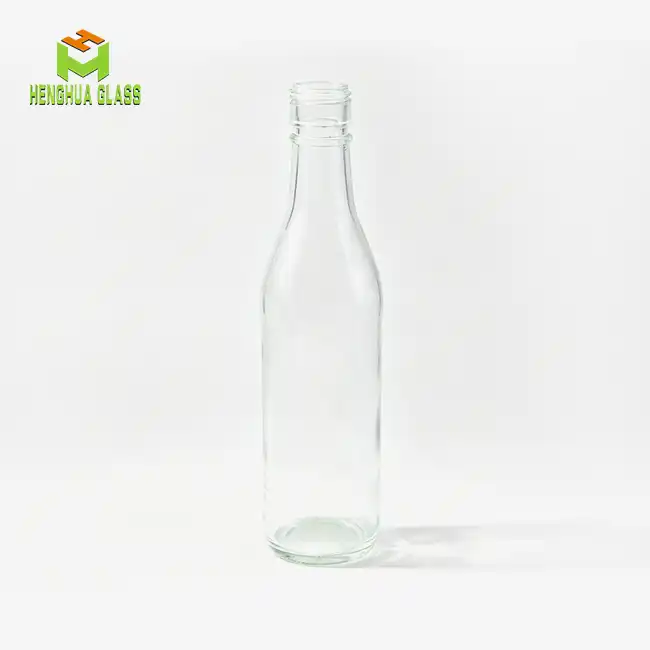
Understanding Custom Glass Alcohol Bottles and Food Safety
Simple whisky bottles and vessels with complicated forms for craft breweries are both made of glass that is only used for packaging spirits. These boxes are good for packing and promoting your brand; they make the item stand out on the shelf and keep it safe.
Why Is Glass Inherently Safe for Alcohol Packaging?
Glass is unique because it doesn't change when mixed with other things. Even after being kept for a long time, glass doesn't turn chemicals into booze like some metals or plastics do. The flavors of spirits stay the same because of this inertness. This is especially important for aged whiskies, rums, and gins. Clear glass, especially good flint glass, lets people see the drink's natural color and brightness, which makes them think the drink is better.
Glass can touch food without getting hot, say safety groups from around the world. The FDA says that glass is generally thought to be safe (GRAS) for food and drinks. Council Directive 84/500/EEC says that all ceramic and glass items in the European Union that come into contact with food must follow certain rules. For example, the glass used to package drinks must pass strict tests to make sure it is safe and chemically stable.
Potential Safety Risks in Custom Bottle Manufacturing
The raw glass itself is safe, but some steps in the making and painting process can add contaminants if they are not handled correctly. Paints, glazes, and shiny finishes that are used for decoration can contain heavy metals like cadmium or lead. These metals can be bad for your health if they get into the drink. For the same reason, glues used on signs or decorations need to be food-grade so chemicals don't leak out.
Bugs in the way it was made, like stones, stuck air bubbles, or walls that aren't the same thickness all the way through, can weaken the structure and make it break when it's being filled, moved, or handled. A good supplier will use Automated Optical Inspection (AOI) tools and polariscope tests to find these flaws in the bottles before they leave the plant. When buyers look at different suppliers, they can ask better questions when they know about these risks.
Key Factors Ensuring the Food Safety of Custom Glass Alcohol Bottles
Safety starts on the assembly line and stays in place during all stages of customization. You can make smart choices about where to get your products if you know what keeps them safe.
Production Process and Quality Control Measures
More than 1400°C is needed to melt the raw materials used to make modern glass bottles. The heated glass is then shaped using blow-and-blow or press-and-blow methods. Annealing is a controlled cooling process that makes a material less stressed so it doesn't break on its own. Bottles could break while being filled or moved if you don't anneal them properly. This could be dangerous or cost you money.
As part of quality control, dimensional checks are done to make sure the neck finish is right and that it works with caps and closed items. Tests of hydrolytic resistance show that the glass doesn't let the alcohol change the ions in the drink, which keeps it stable. On our production lines at Henghua, we have 10 sets of 150-ton glass melting ovens that are fully automatic. These furnaces can make up to a million units a day, and they still have to meet strict quality standards. CE, FDA, SGS, and LFGB certifications prove this.
Food-Safe Decoration and Printing Techniques
Any changes you make to regular Custom Glass Alcohol Bottles can make them unique brand assets, but the designs you use must follow food safety rules. Don't use any inks or finishes that aren't FDA-approved or have any dangerous chemicals in them when you screen print, hot stamp, or spray paint. Some safe ways to get a high-end look without using chemicals on the outside are to carve inside and use clear finishes.
One more thing to think about is labels. The glues must not harm food and be able to handle changes in temperature and moisture while being kept and sent. Solvent-based glues are not always better than water-based ones. As you compare suppliers, make sure you get proof that all of the decoration materials meet the standards for food contact.
Closure Types and Food-Grade Lining Materials
Even the safest bottle is less safe if the wrong seal is put on it. There are good things about screw caps, corks, and plastic stoppers. To keep things clean, they all need to have food-grade linings. Plastisol, or saranex, is often used to line the inside of metal caps. This material keeps air out and doesn't react with alcohol. High-end spirits often have wood or cork closures. These should be cleaned to stop mold growth and kept in a controlled environment until they are used.
Henghua covers are made of metal, plastic, wood, and other materials. They come in many colors, such as gold, silver, white, and black. The roll-type locks on our caps are made to keep working well, so there are no leaks or rust that could lower the quality of the drink. When choosing the right closure, you need to think about both how it looks and what you need it to do, like showing that it was opened and keeping oxygen out.
Comparing Custom Glass Alcohol Bottles with Other Packaging Options
It's important to think about the needs of the brand and the business when choosing packaging. The properties of the material are also important. Glass has some unique perks that make it a good choice for picky customers.
Glass Versus Plastic: Inertness and Chemical Safety
Plastic bottles are easy to carry and don't break easily, but they make it hard to package alcohol. If high-proof spirits are put on some plastics for a long time, they can leak chemicals or taste reagents. PET is usually used for water and soft drinks. However, because it lets alcohol pass through, it's not good for spirits that have more than 20% alcohol by volume.
Gases and liquids can't go through glass, so the taste doesn't change. For drinks that need to age in glass for a long time, this quality is very important. You don't have to worry about plasticizers, BPA, or other chemicals that are in plastic packaging because glass is strong against them.
Luxury Custom Glass Versus Standard Bottles
High-end spirits brands often choose custom-shaped bottles with heavy bases, logos that are raised, or unique silhouettes to show that they are well-made and have a history. People often worry that these changes to make things look better could put people in danger. As long as they are made by trained workers and follow all government rules, decorative features don't affect the safety of food.
Henghua's thickened bottle bodies are strong and last a long time. The premium feel is kept by the very clear glass. Our smooth inner walls keep the smell inside, and our skilled workmanship makes sure there are no bubbles or other issues. Our bottles range from amber to blue and hold 750ml of water. This means they can be used for many different types of drinks, such as gin, whisky, rum, and speciality spirits. Plus, you can add an image, make labels, and change the way the bottle is packed. This lets brands make their own looks without putting safety at risk.
Procurement Considerations for Food-Safe Custom Glass Alcohol Bottles
To source well, you need to carefully choose suppliers, follow testing guidelines, and stay in touch with them throughout the whole order process.
Supplier Certifications and Factory Audits
Take a look at any possible suppliers and make sure they have the right paperwork to prove they follow food safety rules. Food safety management is thought out when it has certifications like ISO 22000, HACCP, and GMP. That the bottles follow the rules in that area can be seen on certificates that are specific to that product, like FDA registration or EU food-contact safety.
Checks of the factory, done by the company or a third party, show how much they can make, how clean they are, and how they keep quality high for Custom Glass Alcohol Bottles. Seeing the factory floor can help you figure out if a supplier can consistently give you safe goods that are free of problems. For more than 20 years, our factory in Jiangsu, China, has made things for people all over the world by strictly controlling quality.
Sample Procurement and Food Safety Testing
Before you place a big order, you should ask for samples to make sure the quality, measurements, and decoration are done right. A third party should check for heavy metal leaching, especially if the bottles have colored glass or artsy coatings. The FDA- or EU-tested methods are used to measure migration levels in a lab. This makes sure that safety standards are met.
People who are really interested in buying are given free samples by Henghua so they can fully check them out before they are made. You can get samples in 25 days and mass production in 30 days. This means we can meet both your needs for customization and fast delivery. We also help with transportation loss compensation, so you don't have to worry when you work with us, even if the goods are being sent across international borders.
Balancing Customization with Compliance
Customization should help a brand stand out without putting people in danger. You should work closely with your suppliers to pick out decorations and materials that are safe for food. Manufacturers can suggest the right types of glass and closure systems if they have clear information about the use, fill temperatures, and storage conditions.
Our ODM/OEM services let you make creative products by changing the shape of 3D objects, adding logos by screen printing or hot stamping, and making your own boxes. Brands can use this feature to take unique ideas and make them into goods that are ready to sell while still following the rules during the development process.
Environmental and Regulatory Implications of Using Custom Glass Alcohol Bottles
Sustainability and following the rules have a bigger effect on what people buy, which changes how they enter markets and what they think about brands.
Environmental Footprint and Recyclability
Recycling glass over and over again doesn't hurt its quality, so it's an important part of the circular economy. Glass that has been recycled, also called "cullet," is made with less energy and less carbon dioxide than glass that has been made from new materials. Being eco-friendly, glass packaging is a better place for brands that care about the world to sell their goods.
Making the best use of energy and lowering trash are two ways that our production method keeps costs low that aren't practical. Glass is a high-end packaging option that gives customers the high-end experience they expect from good spirits. It also helps companies meet their social responsibility goals.
Global Regulatory Frameworks and Market Access
If you want to send something abroad, you must always follow the rules for that area. Things that come into contact with food in the United States are regulated by Title 21 of the FDA's Code of Federal Regulations (CFR). Companies that make goods need to do the right tests to show that their goods are safe. Markets in Europe are controlled by the Framework Regulation (EC) No 1935/2004. It has rules about things made of glass and ceramics.
All of these rules are hard for sellers who want to export, and they have to keep track of them all to show that they're following them everywhere. International standards are important to Henghua, as shown by our certificates from CE, FDA, SGS, and LFGB. It'll be easier for your goods to reach new customers now. When we work with people from the US, Canada, Europe, and other places, we know how to handle the law in each one.
Conclusion
Custom glass alcohol bottles are a legal and safe way for brands of alcoholic drinks to package their goods. They keep the products' quality and help people remember the brand. These dishes are naturally inactive, which means they meet the highest safety standards. They were also made according to strict rules and were decorated in ways that are safe for food. To make procurement go smoothly, you need to work with certified suppliers who put quality control, being open, and following the rules at the top of their list of priorities. It's easy to find packaging that keeps your product safe and raises the profile of your brand in competitive markets if you know what makes food safe, from how it's made to what kinds of lids are used.
FAQ
Are all custom glass bottles automatically food-safe?
Not all the time. Glass is safe chemically, but food is only safe if it is made well, designed well, and sealed well. The bottles must be made in a clean way, be free of impurities, and be painted with FDA-approved materials. Always look into the seller's background and ask to see their test grades.
How can I verify a supplier's compliance with food safety standards?
Ask for copies of any certifications you need, such as FDA registration, ISO 22000, or EU food-contact compliance documents. Check out factories to see how well they handle quality control and cleanliness. Get samples checked by a different lab, especially for heavy metal leaching if there are decorative parts.
What closure types best ensure alcohol safety and preservation?
Food-safe plastisol-lined screw caps are a great way to seal and show that the caps have been opened/changed. Natural cork has a classic look, but it needs to be cared for properly so that mold doesn't grow on it. When synthetic covers are used, they are regular and can keep air out. Pick seals based on how strong your product is, how long you want it to last, and how you want people to see your business.
Partner with a Trusted Custom Glass Alcohol Bottles Supplier
Henghua has been making food-safe glass bottles for the spirits business around the world for more than 20 years. In Jiangsu, China, our factory has fully automated lines for making things. It is also approved by CE, FDA, SGS, and LFGB. In other words, your packing will be up to the greatest standards around the world. We can change everything about your order, from the bottles' shape and color to how they are packed and how your logo is put on them. This will make your brand stand out while still following the rules. Each oven can make up to a million units per day, so we can handle both big sales and project-based needs. We're dedicated to more than just making products. From the first question to the final delivery, we make sure everything runs smoothly by offering free samples, paying for lost or damaged items during shipping, and providing ongoing technical support. Please email us at denny@henghuaglass.com right away to talk about your needs and find out how our Custom Glass Alcohol Bottles can help your business. Visit www.glassbottles.cn to see all of our goods.
References
1. Smith, J. R. (2021). Food-Contact Materials: Regulatory Compliance and Safety Standards. Packaging Science Press.
2. Anderson, M. L., & Chen, H. (2020). Glass Manufacturing and Quality Control in Beverage Packaging. Industrial Materials Journal, 45(3), 112-128.
3. European Commission. (2019). Framework Regulation on Food Contact Materials: Guidelines for Glass Packaging. Official Publications Office.
4. Thompson, K. A. (2022). Sustainability in Spirits Packaging: Environmental Impact of Glass Versus Alternative Materials. Beverage Industry Review, 38(2), 67-82.
5. U.S. Food and Drug Administration. (2020). Guidance for Industry: Food Contact Substances and Notification Processes. FDA Publications.
6. Williams, P. D., & Garcia, R. T. (2021). Heavy Metal Migration Testing in Decorative Glass Containers. Analytical Chemistry in Packaging, 29(4), 201-215.
Learn about our latest products and discounts through SMS or email